News
聚焦海德风采动态,分享行业技术资讯Nitrile rubber powder pneumatic conveying is a critical process in modern industrial operations, enabling the efficient and safe transport of nitrile rubber powder from storage to processing units. This method, widely used across sectors like automotive, rubber manufacturing, and chemical processing, relies on air pressure to move powders through a closed system. Understanding the routine process steps is essential for optimizing performance, minimizing downtime, and ensuring product quality. The following detailed explanation breaks down each stage, from preparation to final delivery.
Before the pneumatic conveying process begins, thorough preparation of nitrile rubber powder is crucial. This stage involves several key steps to ensure the material is in optimal condition for transport. First, the powder is typically stored in a dry, well-ventilated silo or hopper to prevent moisture absorption and clumping. Next, a screening or sieving process may be employed to remove large particles, foreign objects, or agglomerates that could damage the conveying system or clog the lines. Proper moisture control is also vital, as nitrile rubber powder is hygroscopic and can become sticky or clumpy when exposed to humidity. Finally, the material is fed into the conveying system via a feeder, such as a rotary valve or screw feeder, which regulates the flow rate and maintains a consistent supply to the pneumatic line.
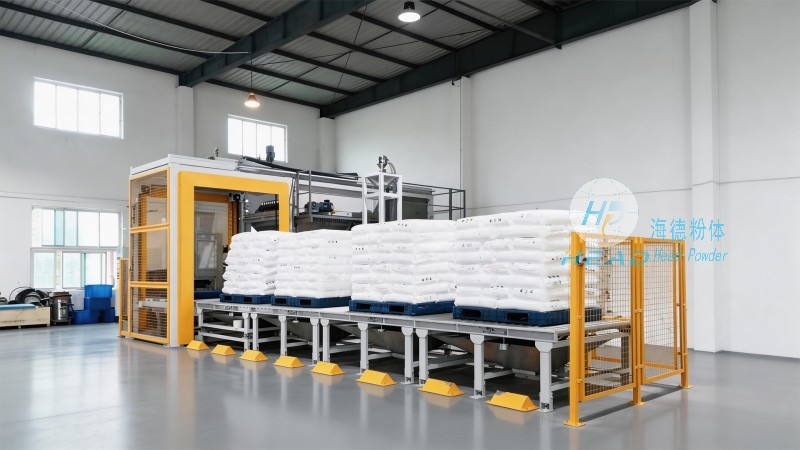
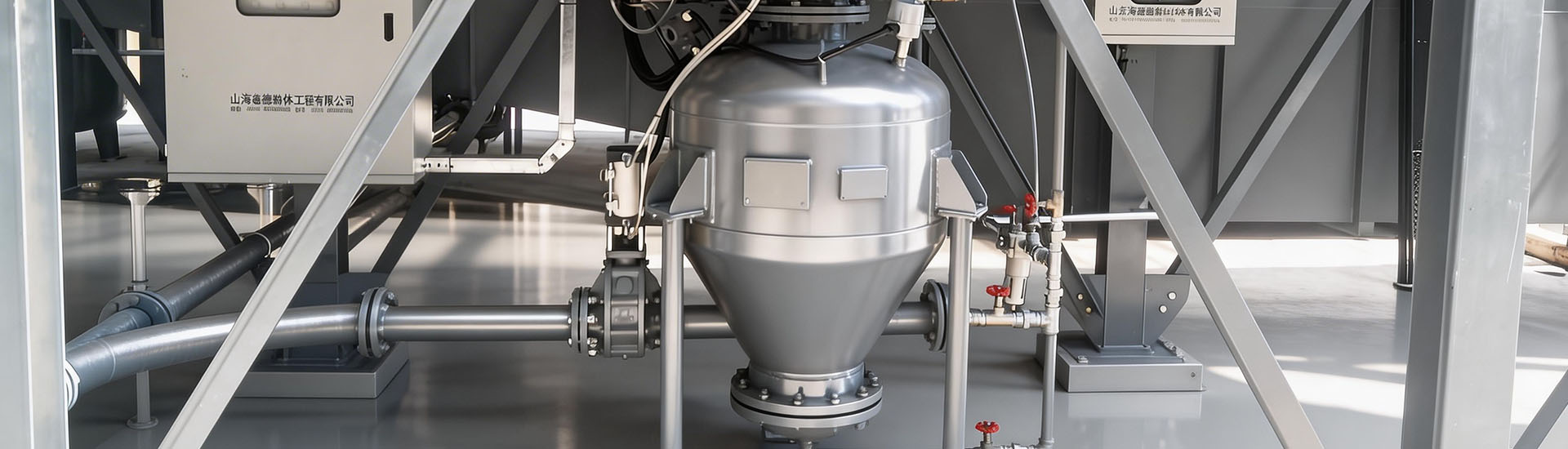
The nitrile rubber powder pneumatic conveying system consists of several interconnected components that work together to move the powder. The core of the system is the air compressor or blower, which generates the necessary pressure to propel the material. In positive pressure systems, the blower pushes air and powder through the pipeline, while negative pressure systems use a vacuum to draw the powder into the line. Key components include the conveying line (usually made of stainless steel or plastic to resist corrosion), a dust collector or separator to remove excess air and fine particles, and a receiving hopper or tank where the powder is deposited. The operation begins with the blower being activated, creating a pressure differential that initiates the flow. The feeder then releases the nitrile rubber powder into the line, and the air-powder mixture travels to the destination, where the separator separates the powder from the air for collection.
Executing the nitrile rubber powder pneumatic conveying process involves a series of sequential steps that must be followed carefully to ensure efficiency and safety. The first step is to start the air compressor and allow it to reach the operating pressure. Once the pressure is stable, the feeder valve is opened to introduce the powder at a controlled rate. During the conveying process, operators monitor the pressure and flow rates using gauges and flow meters to detect any abnormalities, such as pressure drops or flow interruptions, which may indicate clogs or blockages. Regular checks of the separator and filter are also essential to prevent dust buildup and maintain air quality. Best practices include maintaining consistent feed rates, avoiding overloading the system, and using appropriate filters to protect the equipment from fine particles. Additionally, it is recommended to perform a system purge before and after conveying to clear any residual powder and prevent contamination.

Regular maintenance is critical to ensure the long-term reliability and efficiency of nitrile rubber powder pneumatic conveying systems. Routine tasks include cleaning the conveying lines and components, replacing worn parts like seals and gaskets, and inspecting the blower and motor for wear. The separator and filter should be cleaned or replaced as needed to prevent clogging and maintain air flow. Common troubleshooting steps include checking for air leaks in the system, which can reduce pressure and cause inefficient conveying, and inspecting the feeder for blockages or wear. If the system experiences frequent clogs, it may be necessary to adjust the feed rate or use a different type of feeder. Additionally, monitoring the temperature of the powder and air can help identify issues such as overheating, which may indicate a blockage or inefficient cooling. By following a regular maintenance schedule and addressing issues promptly, operators can minimize downtime and extend the lifespan of the equipment.
Nitrile rubber powder pneumatic conveying offers several advantages over traditional methods like bucket elevators or belt conveyors. These include higher efficiency, as the process is continuous and can handle large volumes of material, reduced labor costs due to automated operation, and improved safety by eliminating manual handling of powders. The system is also more flexible, as it can be easily reconfigured to transport materials to different locations. In industrial settings, nitrile rubber powder pneumatic conveying is widely used in the production of automotive parts, such as seals and gaskets, where high-quality nitrile rubber is required. It is also used in the manufacturing of rubber hoses, tires, and other products that rely on nitrile rubber as a key component. Additionally, the system is suitable for transporting other fine powders, such as chemicals and pharmaceuticals, making it a versatile solution for various industries.

At Head powder, we specialize in designing and manufacturing high-quality nitrile rubber powder pneumatic conveying systems tailored to the specific needs of our clients. Our expertise in material handling and industrial automation ensures that our systems are efficient, reliable, and cost-effective. Whether you need a new system or assistance with upgrading an existing one, our team of engineers and technicians is ready to provide expert guidance and support. Contact us today to learn more about how our nitrile rubber powder pneumatic conveying solutions can enhance your production processes and improve overall efficiency.

 Shandong Haide Powder Engineering Co., Ltd
 156-6277-7102(Manager Zhang)
  0531-83386006
  No. 1 Shanggao Industrial Park, Zhangqiu District, Jinan City, Shandong Province
 telephone
top