News
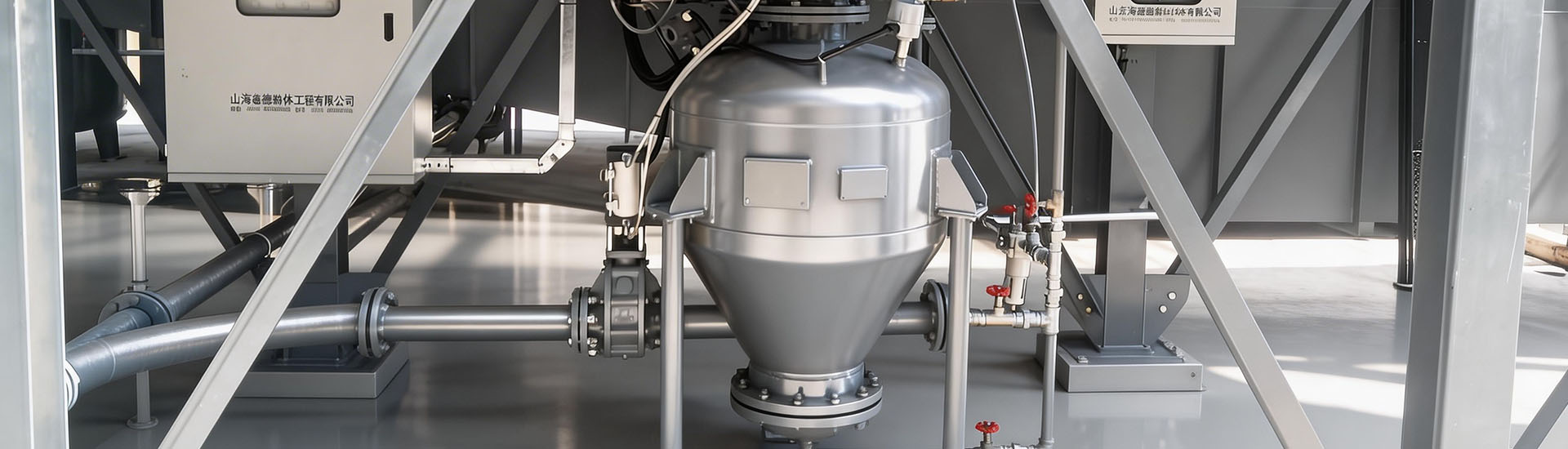
聚焦海德风采动态,分享行业技术资讯When it comes to handling graphene—a material renowned for its exceptional strength, conductivity, and versatility—choosing the right Graphene pneumatic conveying system equipment is not just a matter of convenience but a critical decision that impacts production efficiency, product purity, and overall operational costs. Unlike traditional bulk materials, graphene is highly sensitive to aggregation, contamination, and mechanical stress during transport. A standard pneumatic system may not suffice; specialized equipment designed for its unique properties is essential to maintain the material's integrity and ensure reliable processing. This article aims to guide professionals in evaluating key factors and selecting the optimal Graphene pneumatic conveying system equipment for their applications.
One of the first steps in selecting a Graphene pneumatic conveying system is to assess its performance capabilities. Key parameters include the system's maximum conveying capacity, pressure control precision, and flow rate stability. For high-purity graphene applications, such as in electronics or advanced composites, even minor fluctuations in pressure or flow can lead to contamination or degradation. Advanced systems equipped with variable frequency drives (VFDs) and pressure sensors allow for real-time adjustments, ensuring consistent material delivery. Additionally, consider the system's ability to handle varying particle sizes and moisture content, as these factors can significantly affect conveying efficiency. A well-designed Graphene pneumatic conveying system should maintain a stable flow rate while minimizing energy consumption, making it both effective and cost-efficient.

The choice between positive pressure and negative pressure systems depends on the specific application requirements. Positive pressure systems, which use compressed air to push material through a sealed pipeline, are ideal for short to medium-distance conveying (typically up to 100 meters) and high-concentration loads. They are commonly used in scenarios where the material is non-abrasive and requires minimal pressure to move. On the other hand, negative pressure systems, which use vacuum to draw material into a pipeline, are better suited for long-distance conveying (up to several hundred meters) and low-concentration or dusty materials. Negative pressure systems are particularly useful when handling fine powders like graphene, as they reduce the risk of dust dispersion and environmental contamination. Some applications may even benefit from a hybrid system that combines both positive and negative pressure, offering flexibility for complex conveying routes. Understanding the pros and cons of each type is crucial to avoid operational inefficiencies and equipment damage.
Graphene is a high-value material, and any downtime in the conveying process can result in significant financial losses. Therefore, the reliability and ease of maintenance of the Graphene pneumatic conveying system equipment are paramount. Look for systems with durable components, such as stainless steel or ceramic-lined pipes and valves, which can withstand the abrasive nature of graphene and resist corrosion from any residual chemicals. Regular maintenance is also critical; systems with easy-to-access components and automated cleaning features reduce downtime. Additionally, consider the availability of spare parts and technical support from the manufacturer. A reputable supplier like Head powder offers comprehensive maintenance services and quick response times, ensuring that your system remains operational at all times. Investing in a reliable system may have higher upfront costs, but it pays off in reduced maintenance expenses and prolonged equipment life.

When selecting a Graphene pneumatic conveying system, the experience and expertise of the manufacturer cannot be overlooked. Head powder, as a leading manufacturer in the field, has extensive experience in designing and manufacturing specialized equipment for high-value materials like graphene. They work closely with clients to understand their specific production processes, including the scale of operation, conveying distance, and material characteristics, and provide tailored solutions. For example, they may offer modular designs that can be scaled up or down as production needs change, or integrated monitoring systems that provide real-time data on system performance. Additionally, a good supplier will provide thorough training to operators and maintenance staff, ensuring that the system is used and maintained correctly. By choosing a supplier with a proven track record and a commitment to customization, you can ensure that your Graphene pneumatic conveying system equipment meets your exact requirements and delivers optimal results.

Choosing the right Graphene pneumatic conveying system equipment is a strategic decision that can significantly impact your production efficiency and product quality. By evaluating performance parameters, selecting the appropriate system type, considering maintenance and reliability, and prioritizing supplier expertise, you can make an informed choice that aligns with your business goals. At Head powder, we specialize in providing high-quality Graphene pneumatic conveying system equipment tailored to your needs. Our team of experts is ready to assist you in selecting the optimal solution and offer customized support throughout the entire process. Contact us today to learn more about how our systems can enhance your graphene processing capabilities.

 Shandong Haide Powder Engineering Co., Ltd
 156-6277-7102(Manager Zhang)
  0531-83386006
  No. 1 Shanggao Industrial Park, Zhangqiu District, Jinan City, Shandong Province
 telephone
top