News
聚焦海德风采动态,分享行业技术资讯In modern industrial production, the selection of an appropriate automatic feeding and conveying system equipment is crucial for enhancing production efficiency and ensuring product quality. As manufacturers increasingly focus on automation and intelligent manufacturing, understanding how to choose the right system has become a key challenge. This article will guide you through the essential factors and considerations to help you make an informed decision.
When choosing an automatic feeding and conveying system equipment, several key factors must be considered. First, the type of material being handled is critical. For example, if you are dealing with powders or granules, the system should have appropriate feeding mechanisms to prevent material degradation or blockages. Second, the production capacity and throughput requirements are essential. The system must be able to handle the required volume without bottlenecks. Third, the space available in your facility will influence the design and layout of the equipment. Compact systems are ideal for limited spaces, while larger systems may be necessary for high-volume operations. Additionally, the integration with existing production lines is important. Compatibility with your current machinery and control systems can reduce installation time and costs.

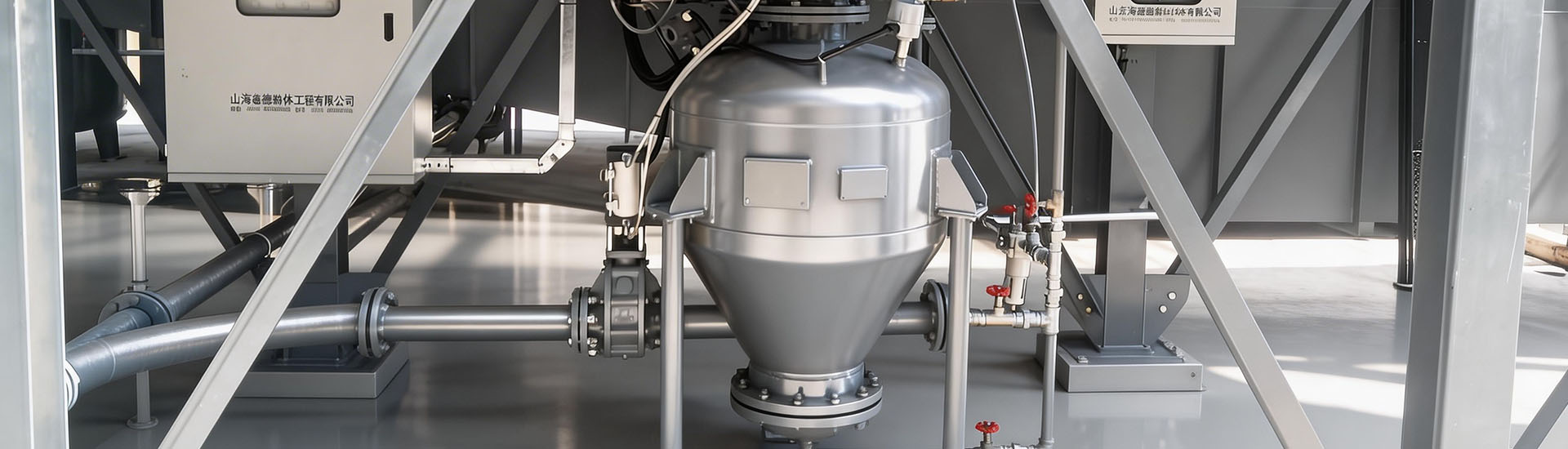
There are various types of automatic feeding and conveying system equipment available, each designed for specific applications. Belt conveyors are commonly used for transporting bulk materials over short to medium distances. They are suitable for powders, granules, and small parts. Vibrating feeders are ideal for feeding powders and granules into processing equipment, providing consistent flow rates. Screw conveyors are effective for vertical or inclined material transport, especially for dense or sticky materials. Pneumatic conveying systems use air pressure to move materials, which is suitable for dusty or hazardous environments. When selecting a system, consider the material characteristics, such as size, shape, and moisture content, as well as the required conveying distance and speed.
Technical specifications play a vital role in evaluating the performance of automatic feeding and conveying system equipment. Key specifications include the conveying capacity, which is measured in tons per hour or cubic meters per hour, and the speed of the conveyor. The accuracy of the feeding system is also important, especially for applications requiring precise dosing. For example, in pharmaceutical or food processing industries, the system must ensure consistent material flow to meet quality standards. Other technical aspects include the power consumption, which affects operational costs, and the durability of the components, such as the belt or screw, which impacts the system's lifespan. It is essential to review the manufacturer's technical data and compare different models to ensure they meet your specific requirements.

Many manufacturers offer customized solutions to meet unique production needs. Customization can include adjusting the size, material of construction, or adding special features like sensors or control systems. For example, if your facility requires a system that can handle corrosive materials, you may need to choose equipment made from stainless steel or other resistant materials. Integration with existing control systems, such as PLCs or SCADA, is another important consideration. The system should be compatible with your current software and hardware to ensure seamless operation. Additionally, consider the ease of maintenance and access to components. Systems with modular designs are easier to maintain and repair, reducing downtime. Customization and integration can enhance the system's performance and adaptability, making it a better fit for your production environment.
The reputation and after-sales service of the manufacturer are critical factors in the long-term success of your investment. A reputable manufacturer like Head powder provides reliable products and comprehensive support. They should offer technical assistance, installation services, and maintenance contracts to ensure the system operates efficiently. Consider the manufacturer's experience and track record in your industry. A company with a proven history of successful installations and satisfied customers is more likely to deliver a high-quality system. Additionally, check for warranties and service agreements. A good warranty can protect your investment and provide peace of mind. By choosing a reputable manufacturer, you can ensure that your automatic feeding and conveying system equipment will perform reliably and meet your production needs over the long term.

If you are considering investing in an automatic feeding and conveying system equipment, Head powder offers a range of high-quality solutions tailored to your specific needs. Our team of experts can help you evaluate your requirements and recommend the most suitable system. Contact us today to learn more about our products and services, and take the first step toward improving your production efficiency and quality.

 Shandong Haide Powder Engineering Co., Ltd
 156-6277-7102(Manager Zhang)
  0531-83386006
  No. 1 Shanggao Industrial Park, Zhangqiu District, Jinan City, Shandong Province
 telephone
top