News
聚焦海德风采动态,分享行业技术资讯In the field of industrial desulfurization, the efficient and reliable transportation of desulfurizer powder is a critical link that directly impacts the overall performance of the system. Traditional manual or mechanical conveying methods often face challenges such as low efficiency, dust pollution, and difficulty in handling fine powders. The Desulfurizer powder pneumatic conveying system equipment, developed by Head powder, offers a modern solution by leveraging pneumatic technology to achieve high-speed, dust-free, and environmentally friendly material transport. This system is designed to meet the unique demands of desulfurization processes, ensuring stable operation and optimal performance in various industrial settings.
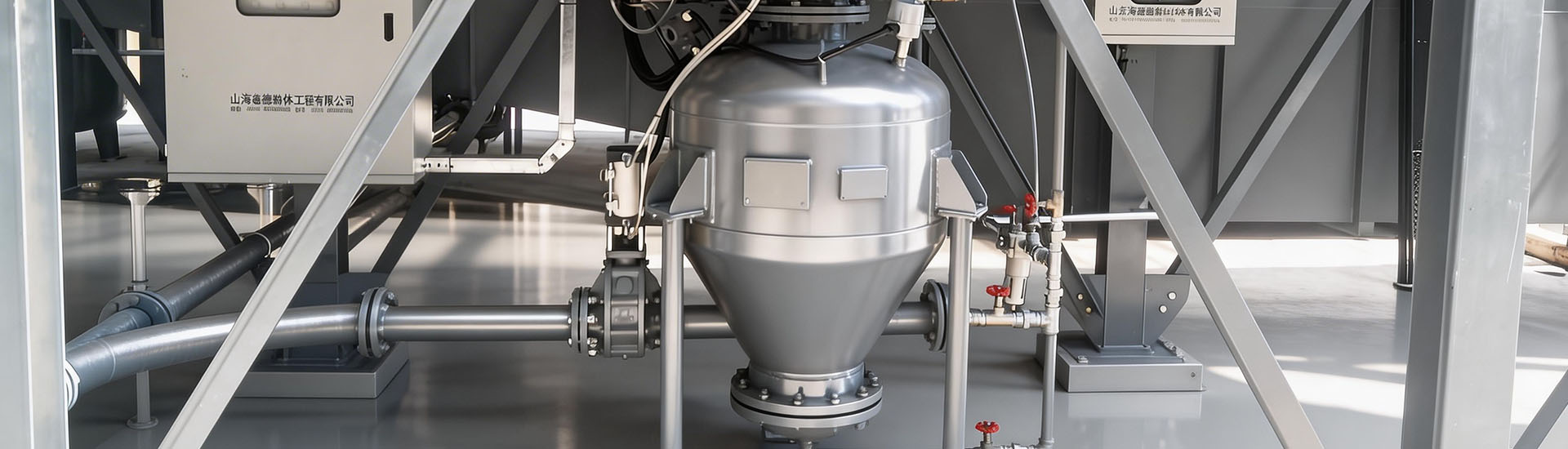
The Desulfurizer powder pneumatic conveying system equipment operates on the principle of air flow to transport desulfurizer powder. By creating a pressure differential, the system can either use positive pressure (blowing air into the material) or negative pressure (sucking material into the air) to move the powder through pipelines. This technology is particularly suitable for handling fine, dry powders with low moisture content, as it minimizes material degradation and prevents caking. The system typically includes components like a feeder, a blower, a pipeline network, a dust separator, and a discharge device, each playing a crucial role in the overall conveying process. The design of the pipeline layout and the selection of the blower's power are key to ensuring consistent and efficient powder transport.

When selecting a Desulfurizer powder pneumatic conveying system equipment, several critical factors must be considered to ensure it meets the specific requirements of the application. First, the distance and height of the material transport need to be assessed, as this determines the required air pressure and blower capacity. Second, the volume of desulfurizer powder to be conveyed per hour is a key parameter, as it influences the size of the feeder and the blower's output. Third, the physical properties of the desulfurizer powder, such as particle size, density, and moisture content, affect the system's design. For example, powders with high moisture content may require additional drying equipment or specialized separation to prevent blockages. The choice of pipeline material (e.g., stainless steel or plastic) also depends on the corrosiveness of the powder and the operating environment. Head powder provides customized solutions by analyzing these factors to recommend the most suitable system configuration.
The Desulfurizer powder pneumatic conveying system equipment offers several advantages over traditional methods. It significantly reduces dust pollution, as the entire conveying process is enclosed within pipelines, preventing dust from escaping into the environment. This not only improves workplace safety but also helps companies comply with environmental regulations. Additionally, the system enhances production efficiency by minimizing downtime caused by material blockages or equipment failures. In practical applications, such as in thermal power plants or chemical manufacturing facilities, the system can handle large volumes of desulfurizer powder with high reliability. For instance, a power plant using this system reported a 20% increase in desulfurization efficiency and a 15% reduction in maintenance costs after implementing the equipment. The system's flexibility also allows it to be integrated with existing desulfurization processes, making it a cost-effective upgrade for many industrial operations.

Proper maintenance is essential to ensure the long-term performance and lifespan of the Desulfurizer powder pneumatic conveying system equipment. Regular checks of the blower's performance, pipeline integrity, and dust separator efficiency are recommended. Cleaning the dust separator and checking for blockages in the pipeline can prevent system downtime. Additionally, monitoring the air pressure and flow rate can help identify potential issues early. Head powder offers comprehensive after-sales support, including maintenance training and spare parts supply, to help clients optimize the system's operation. By following these maintenance tips, users can maximize the system's efficiency and minimize operational costs. The system's modular design also allows for easy upgrades or modifications as the desulfurization process evolves, ensuring it remains a valuable asset for years to come.

For businesses seeking to enhance their desulfurization processes with reliable and efficient material transport solutions, the Desulfurizer powder pneumatic conveying system equipment from Head powder is a top choice. With its advanced technology, customized solutions, and excellent after-sales support, the system not only meets but exceeds industry standards. If you are interested in learning more about how this equipment can benefit your operations, please contact Head powder today to schedule a consultation or request a detailed product brochure. Our team of experts is ready to assist you in selecting the right system for your specific needs and help you achieve optimal performance in your desulfurization projects.

 Shandong Haide Powder Engineering Co., Ltd
 156-6277-7102(Manager Zhang)
  0531-83386006
  No. 1 Shanggao Industrial Park, Zhangqiu District, Jinan City, Shandong Province
 telephone
top