News
聚焦海德风采动态,分享行业技术资讯In high-tech manufacturing sectors such as semiconductor fabrication, pharmaceutical production, and biotechnology, the demand for dust-free and airtight material conveying systems is paramount. These industries operate under stringent cleanroom standards, where even minute contaminants can compromise product quality and safety. Head powder, a leading manufacturer in this field, specializes in providing robust solutions that ensure materials are transported without particle leakage or contamination. This article delves into the general process steps of dust-free and airtight material conveying, outlining the key stages from design to maintenance.
The initial phase of developing a dust-free and airtight material conveying system involves meticulous planning. Engineers at Head powder begin by assessing the material properties—such as particle size, moisture content, and chemical compatibility—and the operational environment, including cleanroom class and temperature. This analysis guides the selection of appropriate materials for components like seals, valves, and conveyor tubes. For instance, PTFE (polytetrafluoroethylene) is often chosen for its exceptional chemical resistance and non-stick properties, while silicone is preferred for flexibility in high-temperature applications. The system layout is designed to minimize dead zones where particles could accumulate, ensuring a continuous, sealed flow path. This foundational design stage is critical to achieving long-term airtightness and preventing cross-contamination.

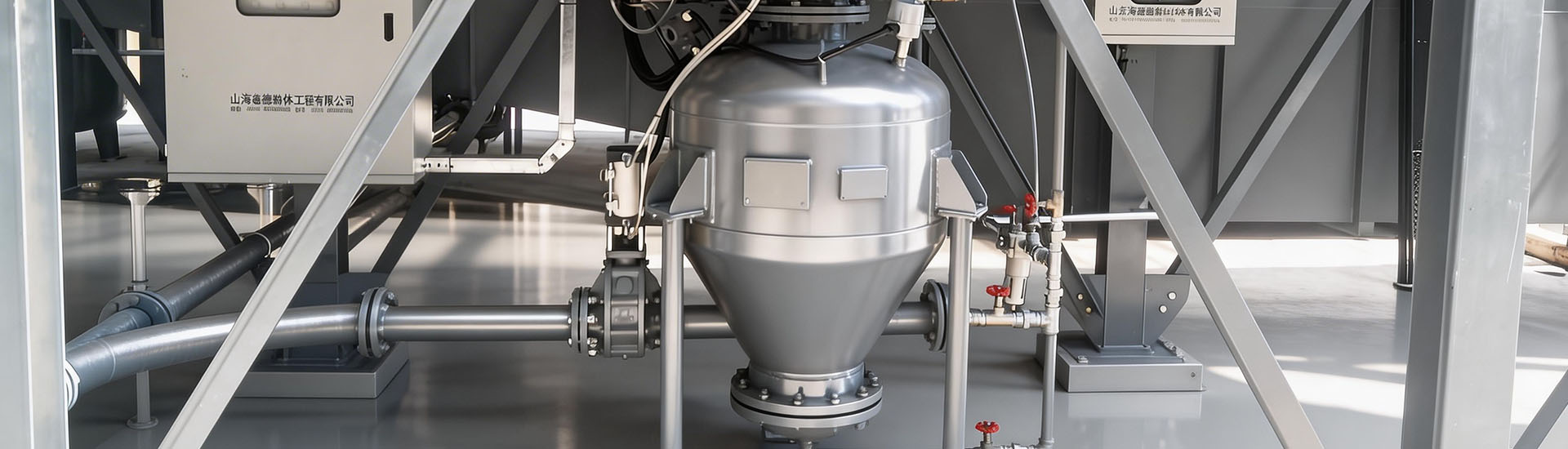
The core of any dust-free and airtight material conveying system lies in its equipment. Head powder offers a range of components tailored to specific needs. Vacuum pumps, either rotary vane or roots types, are used to create a negative pressure environment that draws materials into the system while preventing external air from entering. Sealed conveyor tubes, typically made from stainless steel or PTFE-lined materials, are engineered to maintain a pressure differential that keeps particles inside. The integration of check valves and non-return valves ensures unidirectional flow, preventing backflow that could introduce contaminants. Additionally, the use of magnetic or mechanical seals in pump and valve assemblies further enhances airtightness. Each component is selected to work in harmony, creating a seamless system that meets the most rigorous cleanroom standards.
Proper installation is essential to maintain the integrity of the dust-free and airtight system. Head powder's experts recommend a methodical approach, starting with the preparation of the cleanroom environment. All equipment is pre-cleaned and sterilized before installation to avoid introducing new particles. Sealed connections are made using specialized adhesives or mechanical fasteners that ensure no gaps exist where dust could enter. During commissioning, the system undergoes pressure testing to verify that no leaks are present. This is typically done by pressurizing the system with filtered air and monitoring for pressure drops. Any detected leaks are addressed immediately, often by replacing seals or adjusting connections. The goal is to achieve a system that operates within the specified pressure range without any air or particle leakage, ensuring compliance with cleanroom regulations.
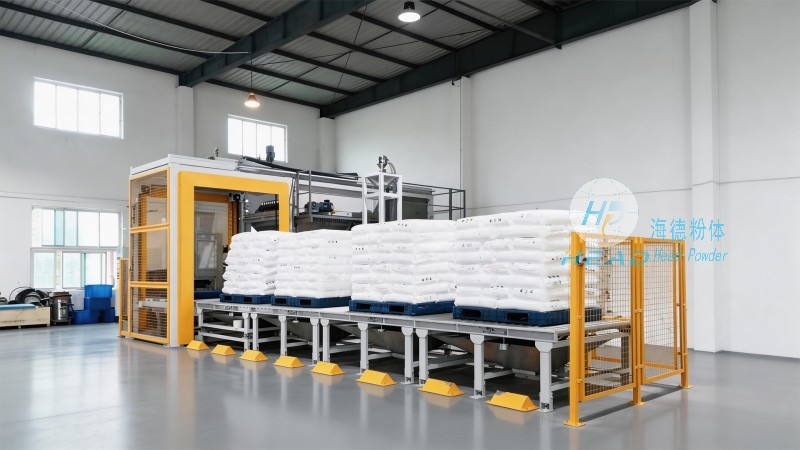
To ensure the longevity of a dust-free and airtight material conveying system, regular maintenance is crucial. Head powder provides guidelines for ongoing upkeep. Seals and gaskets are inspected periodically for wear and tear, as they are the first line of defense against leaks. Replaceable parts, such as filter cartridges and pump impellers, are scheduled for replacement based on usage and performance. The system is also tested for pressure stability and flow consistency during routine checks. In addition, the conveyor tubes are cleaned using appropriate methods, such as vacuuming or ultrasonic cleaning, to remove any accumulated particles. By adhering to a maintenance schedule, users can extend the life of their system and maintain its airtight performance over time.
The effectiveness of dust-free and airtight material conveying systems is best demonstrated through real-world applications. In semiconductor manufacturing, Head powder's systems are used to transport wafers and chemicals, ensuring that the ultra-clean environment is preserved throughout the production process. In pharmaceutical facilities, the system delivers active ingredients and excipients with zero contamination, meeting stringent regulatory requirements. Biotechnology labs also benefit from these systems when handling sensitive biological materials. These success stories highlight the reliability and versatility of Head powder's Dust-free and airtight material conveying solutions, making them a preferred choice for industries where precision and cleanliness are non-negotiable.

If you are seeking a reliable solution for dust-free and airtight material conveying in your manufacturing process, Head powder is ready to assist. Our team of experts can provide customized systems tailored to your specific needs, whether you are in the semiconductor, pharmaceutical, or biotechnology sector. Contact us today to learn more about how our Dust-free and airtight material conveying systems can enhance your production efficiency and ensure the highest standards of cleanliness. Let us help you achieve your goals with a solution that is both effective and durable.

 Shandong Haide Powder Engineering Co., Ltd
 156-6277-7102(Manager Zhang)
  0531-83386006
  No. 1 Shanggao Industrial Park, Zhangqiu District, Jinan City, Shandong Province
 telephone
top