News
聚焦海德风采动态,分享行业技术资讯For manufacturers of broken bag material conveying systems, the success of their equipment hinges on a comprehensive understanding of key factors that influence performance, efficiency, and longevity. The design and implementation of such systems require careful consideration of multiple variables, from the physical properties of the materials being handled to the integration with existing industrial processes. A well-thought-out approach ensures that the equipment not only meets current operational needs but also adapts to future growth and evolving industry standards.
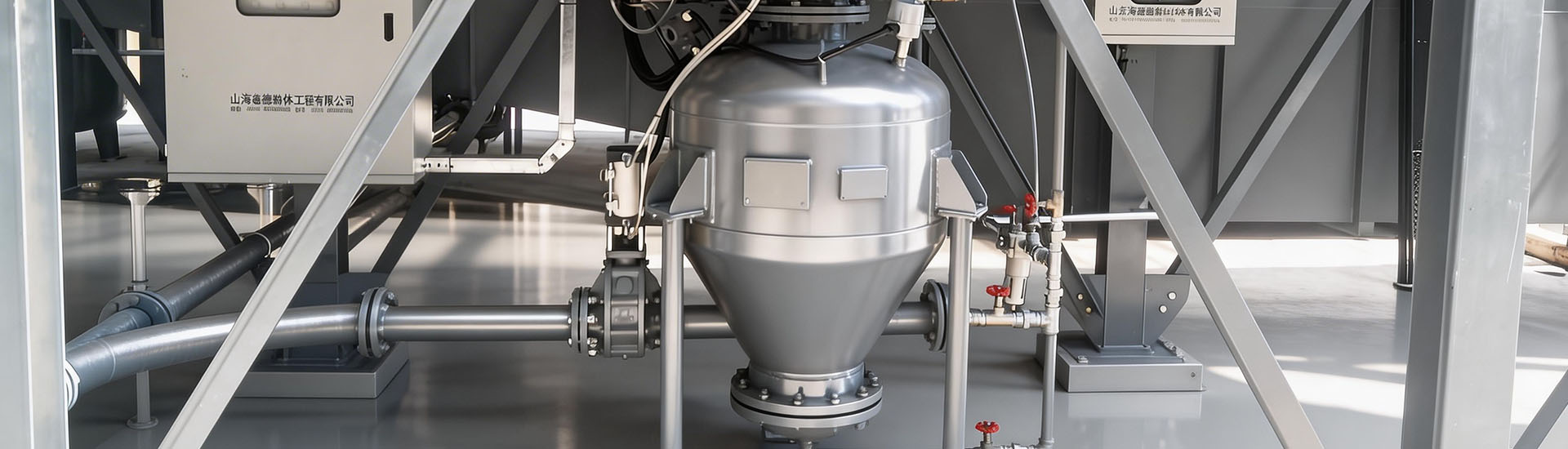
The first critical factor is the analysis of material characteristics. Different broken bag materials, such as powders, granules, or bulk solids, have distinct properties like moisture content, particle size, and flowability. These characteristics directly impact the choice of conveying mechanisms—whether pneumatic, mechanical, or hybrid systems. For instance, highly abrasive materials may necessitate specialized components like wear-resistant liners or reinforced hoses to prevent premature failure. Understanding these properties upfront allows manufacturers to select the most suitable Bag Breaking Material Conveying System Equipment, ensuring optimal performance and reducing downtime.

Next, system integration and compatibility with existing infrastructure are paramount. Modern industrial facilities often have complex workflows involving multiple processing stages. The conveying system must seamlessly integrate with other equipment, such as bag openers, classifiers, or storage silos. This requires careful coordination of control systems, electrical interfaces, and spatial layout. Manufacturers need to assess the client's current setup, including available space, power supply, and existing automation protocols, to design a system that minimizes disruptions and maximizes efficiency. A well-integrated solution enhances overall operational flow and reduces the risk of bottlenecks.
Energy efficiency and environmental compliance are increasingly important considerations for equipment manufacturers. As industries strive for sustainability, systems that minimize energy consumption and emissions are highly valued. This includes optimizing air pressure for pneumatic systems, using energy-efficient motors for mechanical conveyors, and implementing dust control measures to comply with environmental regulations. Manufacturers should evaluate the environmental impact of their designs, such as noise levels and waste generation, and incorporate features like dust collection and filtration. Such considerations not only align with regulatory requirements but also contribute to cost savings and improved corporate social responsibility.

Maintenance and durability are critical for long-term operational reliability. The conveying system must withstand the rigors of continuous use, especially when handling abrasive or corrosive materials. Manufacturers should prioritize robust construction materials, such as stainless steel or high-grade polymers, and incorporate features like easy access for maintenance, quick-release components, and predictive monitoring systems. Regular maintenance is essential to prevent breakdowns and extend the equipment's lifespan. By focusing on durability, manufacturers can reduce the total cost of ownership and provide clients with a reliable solution that delivers consistent performance over time.
Customization and scalability are key to meeting diverse client needs. Every industrial facility has unique requirements, and a one-size-fits-all approach is often insufficient. Manufacturers should offer flexible solutions that can be tailored to specific applications, such as varying conveyor lengths, capacity adjustments, or integration with different bag sizes. Scalability is equally important, as businesses may expand their operations in the future. A system that can be easily upgraded or expanded without major overhauls provides long-term value. This approach ensures that clients invest in a solution that grows with their business, avoiding the need for costly replacements or retrofits.

At Head Powder, we understand that the success of your broken bag material conveying system depends on these critical factors. Our team of experts works closely with clients to analyze their specific needs, providing customized solutions that optimize performance, efficiency, and cost-effectiveness. Whether you're looking to improve existing operations or plan for future growth, our Bag Breaking Material Conveying System Equipment is designed to deliver reliable, durable, and efficient performance. Contact us today to learn more about how we can help you achieve your operational goals.

 Shandong Haide Powder Engineering Co., Ltd
 156-6277-7102(Manager Zhang)
  0531-83386006
  No. 1 Shanggao Industrial Park, Zhangqiu District, Jinan City, Shandong Province
 telephone
top