News
聚焦海德风采动态,分享行业技术资讯When considering the investment in a powder conveying AV ash transfer pump, understanding the pricing dynamics is crucial. The cost of such equipment varies significantly based on several key factors, and a thorough evaluation of these elements is essential for making an informed decision.
The price of a powder conveying AV ash transfer pump is primarily determined by its capacity, material of construction, and the complexity of the system it will integrate with. Larger capacity models, which handle higher volumes of ash, typically command a higher price due to the increased engineering and manufacturing costs. Similarly, pumps constructed from corrosion-resistant materials like stainless steel or special alloys are more expensive but offer better durability in harsh environments. The integration with other components, such as control systems or dust collection units, also adds to the overall cost.
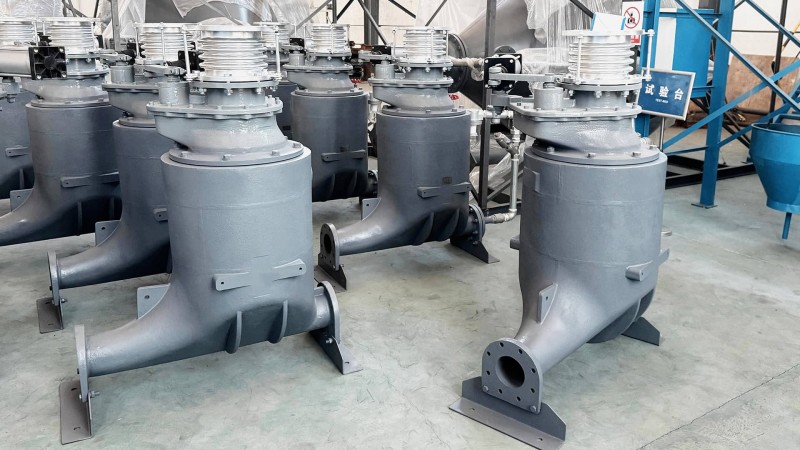
Technical specifications like the pump's flow rate, pressure rating, and motor power directly influence the price. A pump designed for high-pressure applications, capable of handling abrasive ash particles without clogging, will be more expensive than a standard model. The choice of drive mechanism—whether it's a direct-drive or a belt-driven system—affects both performance and cost. Additionally, features like variable speed control or automatic shut-off valves add to the price but enhance operational efficiency and safety.
The specific application of the powder conveying AV ash pump plays a significant role in determining its price. For instance, in power plants where large quantities of fly ash are handled, a robust, high-capacity pump is required, which is more costly. In contrast, smaller-scale industrial applications might use a more compact and less expensive model. The operating environment, such as the presence of moisture or extreme temperatures, also influences the material selection and thus the price. Customization for specific site conditions or regulatory requirements can further increase the cost.
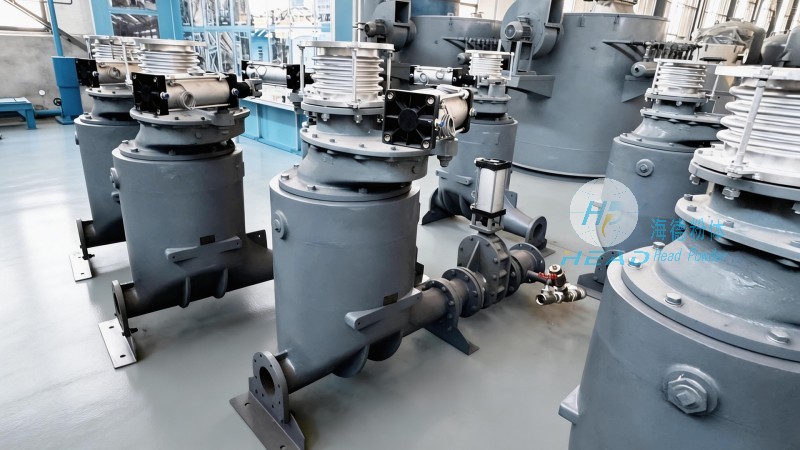
The manufacturer's reputation and technology also impact the price. Established brands with a proven track record in handling ash transfer systems often charge a premium for their expertise and quality assurance. Customization, such as modifications to the pump's design to meet unique site requirements or integration with existing infrastructure, can significantly affect the final price. However, these customizations ensure that the pump is perfectly suited for the application, potentially reducing long-term operational costs and downtime.
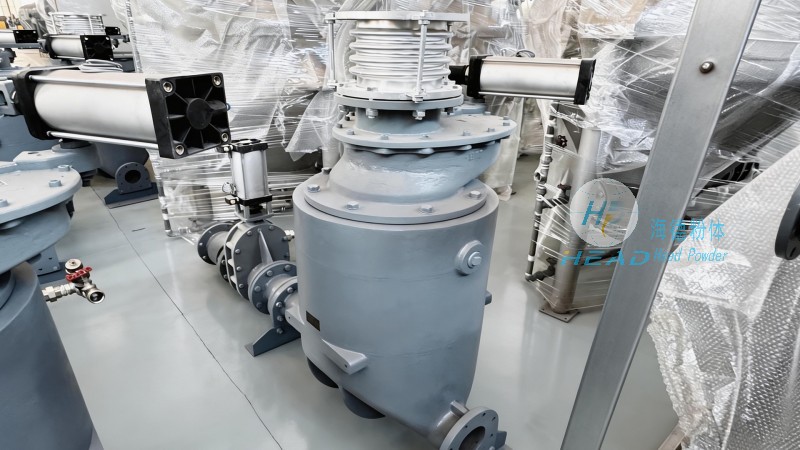
For a detailed and accurate quote tailored to your specific needs, we invite you to contact our team at Headpowder. Our experts can provide a comprehensive assessment of your requirements, including the exact specifications and customization options that will best suit your application. By understanding the factors that influence the price of a powder conveying AV ash transfer pump, you can make a well-informed investment that maximizes efficiency and longevity in your ash handling operations.

 Shandong Haide Powder Engineering Co., Ltd
 156-6277-7102(Manager Zhang)
  0531-83386006
  No. 1 Shanggao Industrial Park, Zhangqiu District, Jinan City, Shandong Province
 telephone
top