News
聚焦海德风采动态,分享行业技术资讯Wood dust pneumatic conveying has become a critical technology in modern woodworking and processing industries. As wood dust is generated in large quantities during operations such as sawing, sanding, and planing, efficient and reliable transportation of this dust is essential to maintain production efficiency and ensure workplace safety. The choice of the right pneumatic conveying system is not just a matter of equipment selection but a strategic decision that impacts operational costs, environmental compliance, and overall productivity. For businesses dealing with wood dust, understanding the available options and their implications is paramount.
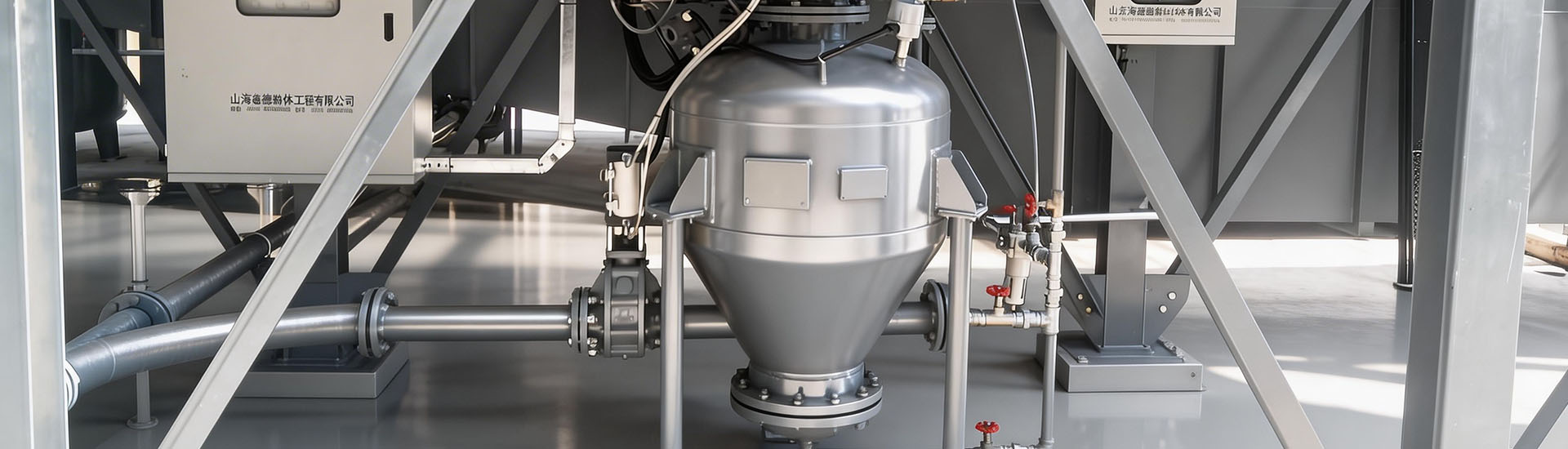
There are primarily two types of pneumatic conveying systems used for wood dust: the suction type and the pressure type. The suction system, also known as the vacuum system, uses a vacuum pump to draw the dust from the source and transport it to a collection or processing unit. This method is ideal for applications where the dust is generated at a single point and needs to be collected and moved to a central location. The pressure system, on the other hand, uses a blower or compressor to push the dust through the pipeline. This is suitable for long-distance or high-volume transport where the dust needs to be moved over significant distances or through complex layouts. Head powder offers both suction and pressure systems tailored to specific operational needs, ensuring optimal performance based on the volume and distance requirements.

When selecting a wood dust pneumatic conveying system, several key factors must be considered to ensure the system operates efficiently and reliably. These include the dust characteristics—such as particle size, moisture content, and density—which affect the flow and pressure requirements. The layout of the facility and the distance the dust needs to travel are also critical. Additionally, the required capacity and the need for environmental control, such as dust filtration and emission control, play a significant role. Head powder's engineers work closely with clients to assess these factors and design a customized solution that meets both current and future needs, ensuring the system is scalable and adaptable.

The adoption of wood dust pneumatic conveying systems brings numerous benefits to woodworking operations. By eliminating the need for manual handling and collection, these systems significantly reduce labor costs and improve workplace safety by minimizing exposure to dust. They also enhance production efficiency by maintaining consistent material flow and reducing downtime caused by dust accumulation. Furthermore, modern systems from Head powder incorporate advanced filtration technologies that ensure compliance with environmental regulations, making them a sustainable choice for environmentally conscious businesses. From small-scale woodworking shops to large industrial facilities, the benefits of efficient wood dust management are evident.

If you are considering upgrading or implementing a new wood dust pneumatic conveying system, Head powder is your trusted partner. Our expertise in designing and manufacturing high-quality pneumatic conveying solutions for wood dust ensures that your operations run smoothly and efficiently. Contact us today to discuss your specific requirements and learn how our systems can enhance your productivity and safety. We offer tailored solutions that are backed by years of experience and a commitment to excellence.

 Shandong Haide Powder Engineering Co., Ltd
 156-6277-7102(Manager Zhang)
  0531-83386006
  No. 1 Shanggao Industrial Park, Zhangqiu District, Jinan City, Shandong Province
 telephone
top