News
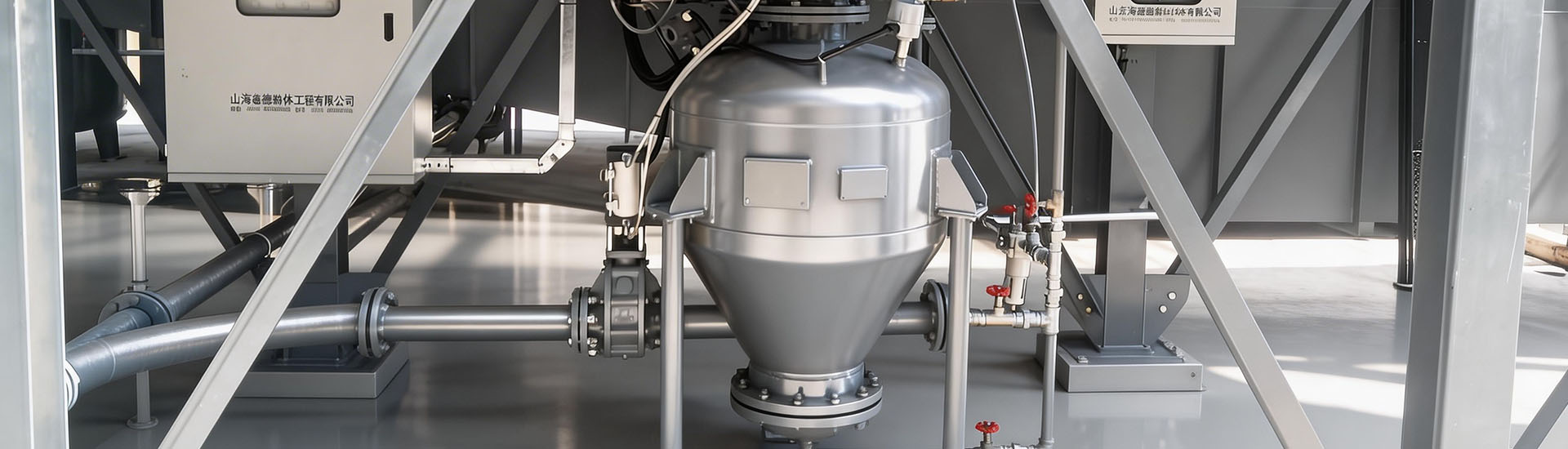
聚焦海德风采动态,分享行业技术资讯When selecting a bauxite material pneumatic conveying system equipment, it's crucial to follow a systematic approach that aligns with both operational needs and long-term efficiency. The process involves several key steps, each designed to ensure the system meets the specific demands of bauxite material handling, from raw material transport to processing.
Understanding the physical properties of bauxite is the first critical step. Factors such as particle size distribution, moisture content, and bulk density directly impact system design. For example, coarser particles may require larger diameter pipelines and higher air velocities to maintain flow, while high moisture content can affect material flowability and increase the risk of blockages. Accurate characterization ensures the selected bauxite material pneumatic conveying system equipment is optimized for the specific material being handled.

System capacity is calculated based on production volume and material flow rates. This involves estimating the required tonnage per hour and accounting for variations in material density and conveyor length. The bauxite material pneumatic conveying system equipment must be capable of handling peak loads without compromising performance. Proper sizing prevents bottlenecks and ensures consistent material delivery to downstream processes.
Key components like blowers, cyclones, and pipelines are evaluated based on their performance and durability. Centrifugal blowers are commonly used for high-volume applications due to their efficiency and ability to handle abrasive materials. Cyclones are essential for separating material from air and reducing dust emissions. The choice of pipeline material, whether metal or plastic, depends on factors such as corrosion resistance and cost. Each component must be compatible with bauxite material properties to ensure long-term reliability.

Energy consumption and maintenance requirements are critical considerations. High-efficiency blowers and well-designed systems minimize operational costs. Regular maintenance schedules are necessary to prevent downtime. The bauxite material pneumatic conveying system equipment should be easy to clean and maintain, with accessible components that can be serviced quickly. This ensures the system operates at peak performance with minimal interruptions.
Compliance with environmental and safety regulations is essential. Dust control measures, such as filtration systems, are required to meet air quality standards. The bauxite material pneumatic conveying system equipment must be designed to prevent dust explosions and ensure worker safety. Proper ventilation and explosion-proof features are often required in industrial settings. By addressing these regulatory aspects early in the selection process, you can avoid costly modifications later.

At Head powder, we specialize in providing tailored bauxite material pneumatic conveying system equipment solutions. Our team of experts can guide you through the selection process, ensuring your system meets the highest standards of performance and reliability. Contact us today to learn more about how our equipment can optimize your bauxite handling operations.

 Shandong Haide Powder Engineering Co., Ltd
 156-6277-7102(Manager Zhang)
  0531-83386006
  No. 1 Shanggao Industrial Park, Zhangqiu District, Jinan City, Shandong Province
 telephone
top