News
聚焦海德风采动态,分享行业技术资讯Stabilizer powder pneumatic conveying is a critical technology in modern industrial processing, particularly for handling fine powders like stabilizers used in various sectors such as food, pharmaceuticals, and chemical manufacturing. Unlike traditional bulk material handling methods, this system utilizes compressed air to transport powders through a network of pipes, offering a dust-free, efficient, and flexible solution that addresses common challenges like material degradation and operational inefficiencies.
At its core, stabilizer powder pneumatic conveying operates by using air pressure to move powders through a sealed system. For stabilizers—often sensitive materials that can clump or degrade under pressure—this method ensures gentle handling. The system can be configured as either positive pressure (where air pushes the powder) or negative pressure (where air pulls the powder), adapting to different plant layouts and material flow requirements. This flexibility makes it ideal for stabilizer powders, which require precise control to maintain quality.
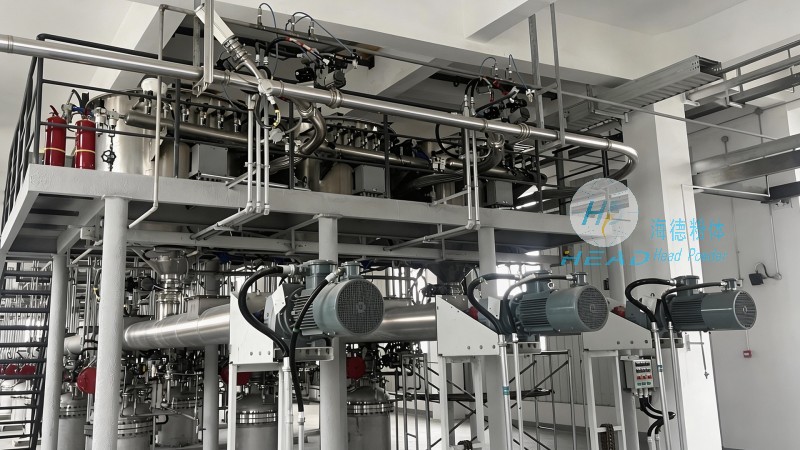
A typical pneumatic conveying system for stabilizer powders includes several key components: a feeder to control the flow rate, a pipeline network to transport the material, a separator to separate air and powder, and a filter to capture fine particles. The feeder, often a rotary valve or a vibratory feeder, ensures consistent material feed, preventing blockages. The pipeline, usually made of stainless steel or plastic, is designed to withstand the pressure and prevent contamination. The separator, such as a cyclone or a bag filter, efficiently separates the air from the powder, allowing the air to be recycled or vented safely. Control valves regulate the air flow, optimizing the conveying process for different powder types and quantities.
Compared to traditional methods like screw conveyors or manual handling, pneumatic conveying offers significant advantages for stabilizer powders. It eliminates dust exposure, reducing health risks for operators and maintaining product purity. The system also minimizes material degradation, as the gentle air flow prevents clumping or agglomeration. Additionally, it improves operational efficiency by automating the process, reducing labor costs and increasing throughput. For industries dealing with sensitive stabilizers, these benefits translate to higher product quality and lower operational costs.

Head powder, as a leading manufacturer of pneumatic conveying solutions, specializes in designing and implementing customized systems for stabilizer powders. Our expertise lies in understanding the unique properties of different stabilizers—such as their moisture content, particle size, and flow characteristics—and tailoring the system to meet specific client needs. For example, we have developed a positive pressure system for a food processing plant that handles calcium stearate, a common stabilizer, with minimal product loss and zero dust contamination. Another project involved a negative pressure system for a pharmaceutical manufacturer, ensuring the safe transport of magnesium stearate while complying with GMP (Good Manufacturing Practice) standards. These case studies highlight our ability to deliver reliable, efficient, and compliant solutions for stabilizer powder pneumatic conveying.

If you're looking to enhance your stabilizer powder handling process with a reliable pneumatic conveying system, Head powder is here to help. Our team of experts can assess your current operations, identify pain points, and design a tailored solution that meets your specific requirements. Contact us today to learn more about how our pneumatic conveying systems can improve efficiency, reduce costs, and ensure product quality for your stabilizer powders.

 Shandong Haide Powder Engineering Co., Ltd
 156-6277-7102(Manager Zhang)
  0531-83386006
  No. 1 Shanggao Industrial Park, Zhangqiu District, Jinan City, Shandong Province
 telephone
top