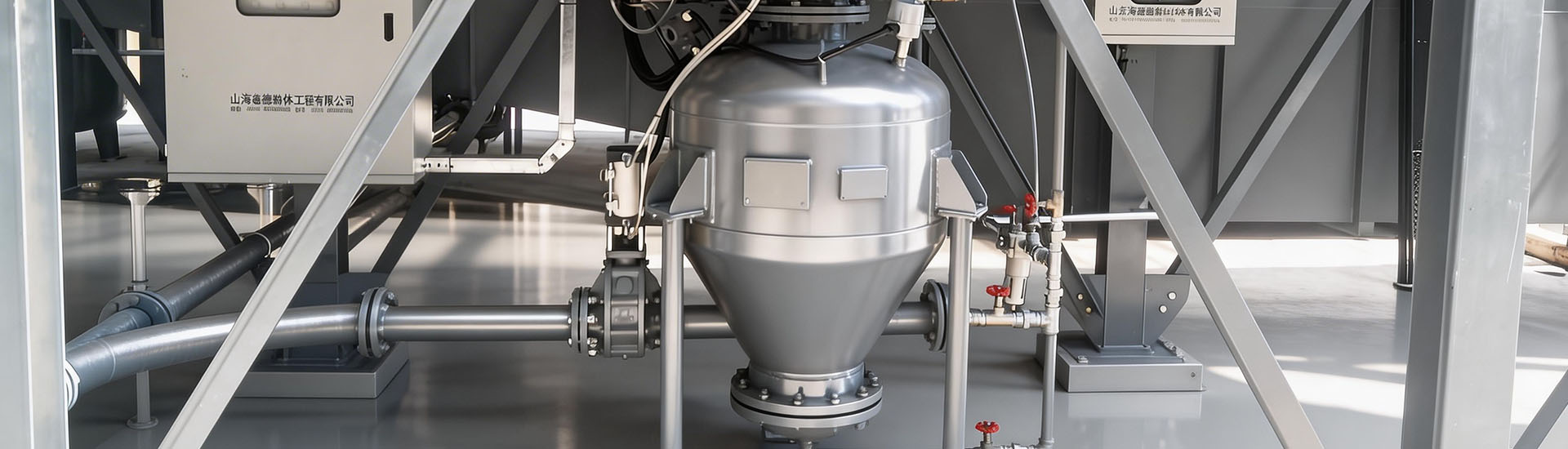
News
聚焦海德风采动态,分享行业技术资讯When it comes to handling fine ash materials through pneumatic conveying systems, manufacturers face a unique set of challenges that require careful consideration. The nature of fine ash, such as cement, fly ash, or industrial powders, demands specialized equipment and system designs to ensure efficient, safe, and cost-effective material transport. Understanding the critical factors that influence the performance of fine ash material pneumatic conveying is essential for optimizing operations and avoiding common pitfalls.
Before designing a pneumatic conveying system, manufacturers must thoroughly analyze the physical and chemical properties of the fine ash material. Key factors include particle size distribution, density, moisture content, and cohesive tendencies. For example, materials with high moisture content may require pre-drying or moisture control measures to prevent caking and blockages in the system. The choice between positive pressure and negative pressure systems often depends on the material's flowability and the required transport distance.

System layout is a critical factor in fine ash material pneumatic conveying. The arrangement of pipelines, bends, and vertical lifts directly impacts the system's efficiency and pressure drop. Manufacturers should consider the optimal pipe diameter, which balances material velocity and energy consumption. Additionally, the selection of gas source (air compressor or blower) and the control of air-to-solid ratio are crucial for maintaining consistent material flow and preventing equipment wear.
Choosing the right equipment is paramount for reliable fine ash material pneumatic conveying. High-quality, wear-resistant components such as centrifugal fans, cyclone separators, and rotary valves are essential to withstand the abrasive nature of fine ash. For instance, using stainless steel or special alloys for components can extend the service life of the system. The integration of advanced control systems, like pressure sensors and flow meters, enables real-time monitoring and adjustment, enhancing system stability.
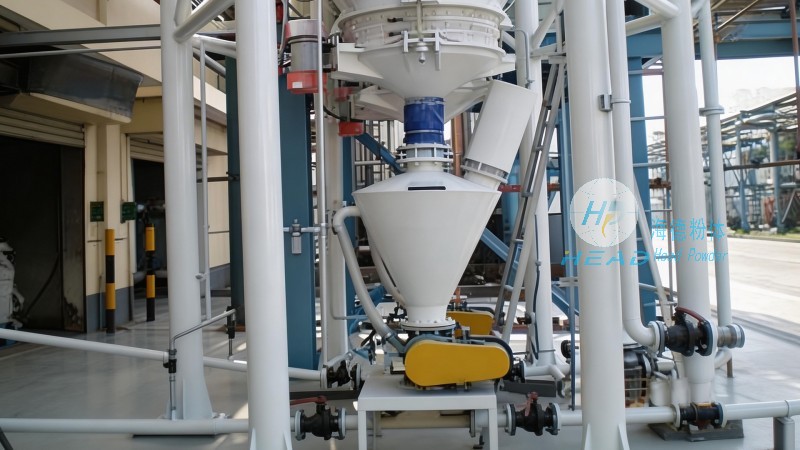
Handling fine ash materials involves safety and environmental considerations that manufacturers must address. Dust explosion risks and air pollution require the implementation of effective dust collection and explosion-proof measures. Proper ventilation and filtration systems are necessary to comply with environmental regulations and protect personnel. Additionally, regular maintenance and inspection of equipment ensure safe operation and minimize the risk of accidents.
Manufacturers need to evaluate the total cost of ownership when selecting a fine ash material pneumatic conveying system. This includes initial investment, energy consumption, and long-term maintenance costs. Investing in durable, low-maintenance equipment may reduce operational expenses over time. Moreover, providing comprehensive after-sales support, such as technical assistance and spare parts availability, enhances customer satisfaction and system reliability.

At Head powder, we specialize in providing tailored fine ash material pneumatic conveying solutions that address these critical factors. Our team of experts works closely with clients to understand their specific needs and develop customized systems that optimize performance and efficiency. Whether you require a new installation or system upgrades, contact us today to learn more about our advanced pneumatic conveying equipment and professional guidance. Let us help you achieve reliable and cost-effective fine ash material transport with our innovative solutions.

 Shandong Haide Powder Engineering Co., Ltd
 156-6277-7102(Manager Zhang)
  0531-83386006
  No. 1 Shanggao Industrial Park, Zhangqiu District, Jinan City, Shandong Province
 telephone
top