News
聚焦海德风采动态,分享行业技术资讯Alumina particle materials, such as alumina granules and powders, are vital in industries like ceramics, refractories, and chemicals. The efficiency of pneumatic conveying systems directly impacts the quality and cost of these materials. This article explores how to select the optimal pneumatic conveying system for alumina particle materials, addressing key factors and technical considerations to ensure reliable operation.
Several factors influence the choice of a pneumatic conveying system for alumina particles. The first is the particle size and density; fine powders may require higher air velocities and efficient separation to prevent blockages, while larger granules can be handled with lower pressures. The conveying distance is another critical factor—long distances demand high-pressure or high-capacity systems, whereas short distances use low-pressure or vacuum systems. Additionally, the required throughput and environmental requirements (e.g., dust control, explosion-proofing) guide system design. Head powder's expertise in customizing systems ensures these factors are addressed effectively.

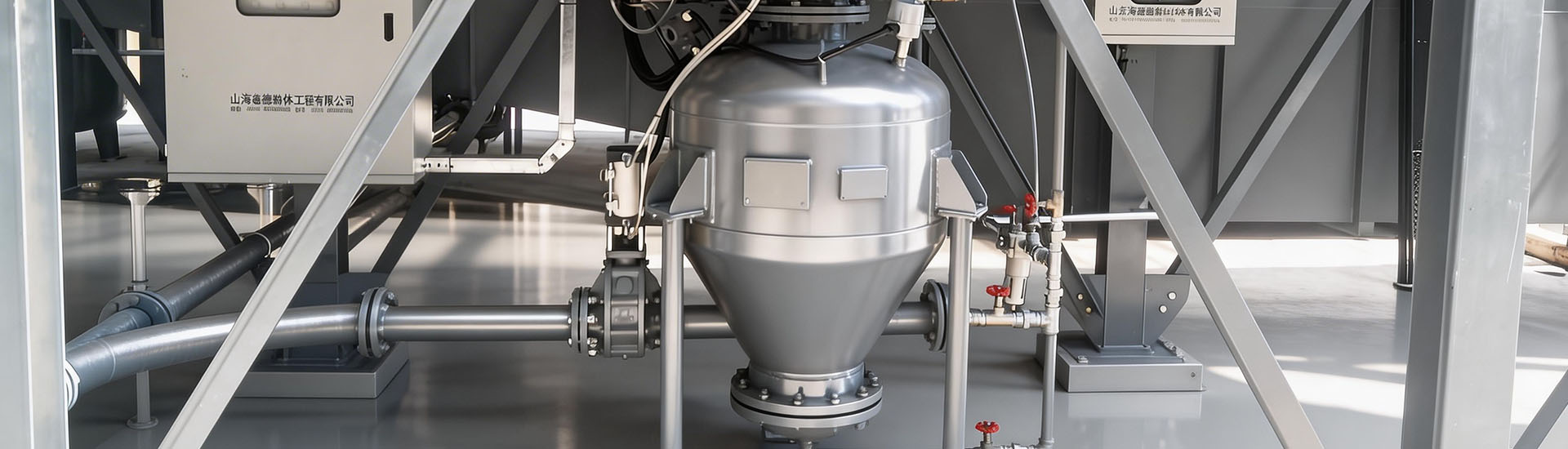
Two main types of pneumatic conveying exist: vacuum (suction) and pressure (positive pressure) systems. Vacuum systems draw material using a fan, ideal for short distances and low to medium rates. Pressure systems push material with a blower, suitable for longer distances and higher volumes. Mixed systems combine both, offering flexibility. For alumina granules, pressure systems are often preferred due to their ability to handle larger particles and higher throughput. Head powder provides both types, tailored to application needs.
The performance of a system depends on its components. The fan or blower provides air flow and pressure; high-efficiency, abrasion-resistant fans are essential for alumina materials. Pipeline design (diameter, material, layout) impacts performance. Separation equipment (cyclones, filters) removes air, preventing dust and ensuring material purity. Head powder's systems use advanced separation technology to meet environmental and quality standards.

Case studies show the benefits of proper system selection. A ceramics manufacturer improved efficiency by 30% with a pressure system and cyclone separator. A chemical plant using fine powders for catalysts benefited from a vacuum system with a high-efficiency filter. These examples demonstrate that tailored systems enhance performance and reduce costs.

Choosing the right pneumatic conveying system for alumina particle materials requires considering material properties, application needs, and technical specifications. At Head powder, we specialize in customized solutions. Contact us to learn how our pneumatic conveying systems can optimize your operations.

 Shandong Haide Powder Engineering Co., Ltd
 156-6277-7102(Manager Zhang)
  0531-83386006
  No. 1 Shanggao Industrial Park, Zhangqiu District, Jinan City, Shandong Province
 telephone
top