News
聚焦海德风采动态,分享行业技术资讯In the modern agricultural and food processing industries, the efficient handling of barley has become a critical factor for businesses aiming to maintain high productivity and product quality. Barley pneumatic conveying, as a sophisticated technology, offers a solution that revolutionizes how this staple grain is transported, stored, and processed. By leveraging air pressure to move barley from one point to another, this system minimizes manual labor, reduces handling-related damage, and ensures a consistent flow of material, making it an indispensable tool for contemporary barley operations.
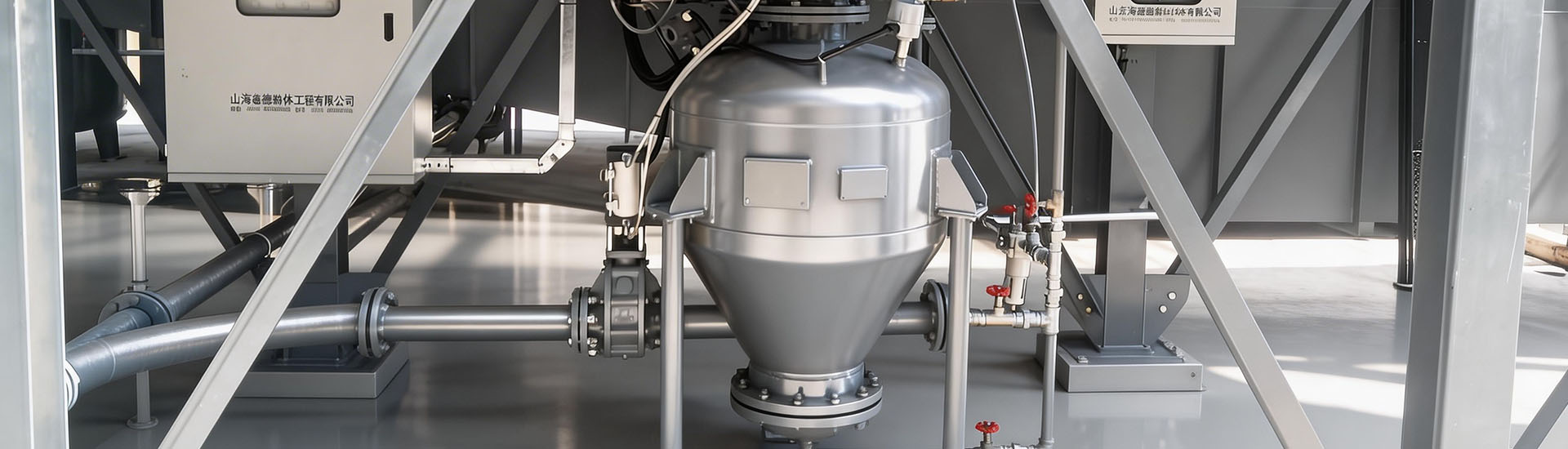
The fundamental principle behind barley pneumatic conveying lies in the use of air as the conveying medium. By creating a pressure differential—either positive or negative—air is forced through a network of pipes, carrying barley particles along with it. This process, often referred to as pneumatic transport, eliminates the need for traditional mechanical conveyors like belts or buckets, which can cause abrasion and breakage to the delicate barley kernels. The system typically includes components such as a hopper for material storage, a rotary valve or feeder to control the flow of barley, a series of pipelines, and a receiver or separator to collect the conveyed barley at the destination. Each component works in harmony to ensure a smooth and efficient transfer of the grain.
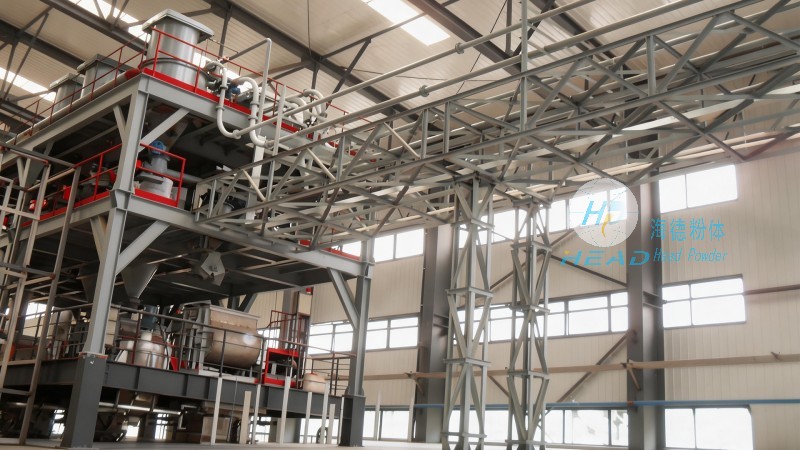
Compared to traditional methods, barley pneumatic conveying systems offer several distinct advantages that make them highly favored in the industry. Firstly, they provide a high degree of efficiency, allowing for the rapid movement of large quantities of barley over considerable distances with minimal downtime. Secondly, the system significantly reduces product loss and damage; the gentle handling of the grain by air minimizes breakage and cracking, preserving the quality and market value of the barley. Thirdly, pneumatic conveying is highly flexible, as the pipeline layout can be easily modified or expanded to accommodate changes in production scale or facility layout. Additionally, the system is hygienic and clean, as it operates in enclosed pipes, preventing contamination from dust, pests, or external elements. These advantages collectively contribute to cost savings and improved operational performance for barley processing facilities.
Barley pneumatic conveying systems find wide applications across various industries that rely on barley as a key ingredient. In the brewing industry, for instance, these systems are crucial for transporting malted barley from storage silos to the mashing tanks, ensuring a consistent and uniform supply of raw material. In animal feed production, pneumatic conveyors efficiently move barley from storage to mixing and pelletizing equipment, maintaining the grain's integrity and nutritional value. Similarly, in food processing plants, barley is used in the production of cereals, snacks, and other consumer products, where pneumatic conveying helps maintain product quality and meet stringent hygiene standards. The versatility of the system makes it suitable for both small-scale and large-scale operations, adapting to the diverse needs of different barley-based industries.

A typical barley pneumatic conveying system comprises several key components that work together to achieve optimal performance. The hopper serves as the storage vessel, holding the barley and regulating its flow into the system. The feeder, often a rotary valve or screw conveyor, controls the rate at which barley is introduced into the pipeline, ensuring a steady and controlled supply. The pipeline network, made of durable materials like stainless steel or plastic, carries the air and barley mixture. The separator or receiver at the end of the line separates the barley from the air, typically using a cyclone or filter system. Many manufacturers, such as Head Powder, offer customized solutions tailored to specific operational requirements, including different pipe diameters, material types, and control systems. This customization ensures that the system meets the unique needs of each client, whether they are processing a small batch of specialty barley or handling large volumes of commercial grain.

If you are in the market for reliable and efficient barley pneumatic conveying solutions, Head Powder is your trusted partner. Our expertise in designing and manufacturing high-quality pneumatic conveying systems for barley processing ensures that you receive a product that meets the highest standards of performance and durability. Whether you need a new system installed or an upgrade to your existing setup, our team of professionals can provide tailored solutions to enhance your operations. Contact us today to learn more about how our barley pneumatic conveying systems can boost your productivity and improve the quality of your barley products.

 Shandong Haide Powder Engineering Co., Ltd
 156-6277-7102(Manager Zhang)
  0531-83386006
  No. 1 Shanggao Industrial Park, Zhangqiu District, Jinan City, Shandong Province
 telephone
top