News
聚焦海德风采动态,分享行业技术资讯When it comes to handling soot and dust materials in industrial operations, the choice of conveying system is a critical decision that impacts efficiency, safety, and long-term operational costs. Proper selection of smoke and dust material transportation equipment ensures smooth material flow, minimizes downtime, and aligns with specific production requirements. This article outlines the general process steps for selecting an optimal soot material conveying system, guiding professionals through key considerations from initial assessment to final implementation.
Before diving into equipment selection, a thorough analysis of system requirements is essential. This step involves evaluating several key factors, including the physical properties of the soot material—such as particle size, moisture content, and abrasiveness—along with the desired conveying capacity and distance. Understanding these parameters helps in determining the appropriate conveying method and equipment type. For instance, if the material is highly abrasive, a robust Head powder system with reinforced components may be necessary to prevent wear and tear, ensuring longevity and reliability.

Once the requirements are clear, the next step is to choose between different conveying technologies. Common options include pneumatic (air-powered) systems, mechanical (belt or screw) systems, and hybrid solutions. Pneumatic systems are ideal for fine, dry soot materials, offering flexibility and minimal maintenance, while mechanical systems are better suited for bulkier or wetter materials. Head powder specializes in both, providing tailored solutions that match the unique characteristics of the material and operational needs. For example, a high-capacity pneumatic system might be chosen for long-distance transport of fine dust, whereas a screw conveyor could handle larger, more cohesive particles.
System design involves more than just selecting equipment; it also includes planning the layout of pipes or conveyors, managing air pressure or mechanical forces, and integrating dust control measures. Proper design minimizes energy consumption, reduces material loss, and enhances safety by preventing dust explosions or leaks. Head powder’s expertise in system design ensures that every component is optimized for the specific soot material, with features like explosion-proof valves or dust collection hoods to meet safety standards. This holistic approach ensures the system operates efficiently while adhering to regulatory requirements.

After design, the installation phase requires careful execution to ensure the system functions as intended. This includes proper alignment of pipes, secure mounting of equipment, and thorough testing of all components. Head powder’s professional installation team ensures that every detail is addressed, from pipe connections to control system calibration. Commissioning involves running the system with test materials to verify performance, making adjustments as needed to achieve the desired conveying rate and efficiency. This step is crucial for avoiding post-installation issues and ensuring the system meets operational expectations.
Long-term success of a soot material conveying system depends on regular maintenance and continuous optimization. Head powder offers comprehensive maintenance services, including routine inspections, part replacements, and performance monitoring. By proactively addressing potential issues, such as wear on components or changes in material properties, the system’s lifespan is extended, and operational costs are reduced. Additionally, Head powder provides software solutions for monitoring system performance, allowing for real-time adjustments to optimize efficiency. This proactive approach ensures that the system remains reliable and cost-effective over its entire lifecycle.
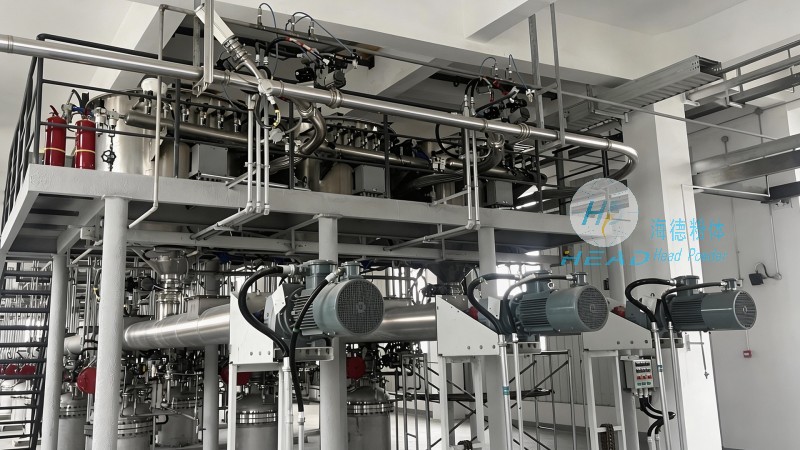
Choosing the right smoke and dust material transportation system is a complex but rewarding process. By following these systematic steps and leveraging the expertise of manufacturers like Head powder, businesses can enhance productivity, improve safety, and achieve long-term operational success. For tailored solutions and detailed guidance on selecting the optimal soot material conveying system, contact Head powder today to discuss your specific needs and explore how our advanced technology can transform your material handling operations.

 Shandong Haide Powder Engineering Co., Ltd
 156-6277-7102(Manager Zhang)
  0531-83386006
  No. 1 Shanggao Industrial Park, Zhangqiu District, Jinan City, Shandong Province
 telephone
top