News
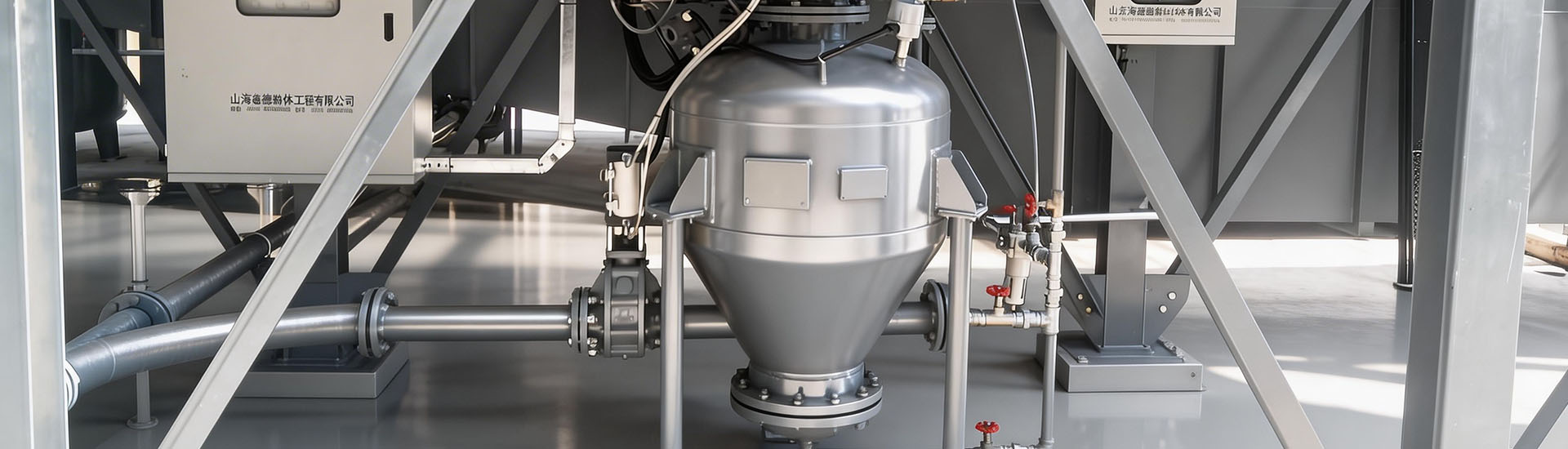
聚焦海德风采动态,分享行业技术资讯In the modern industrial landscape, handling automatic powder unpacking materials efficiently and safely is a critical challenge for many industries, including chemical, pharmaceutical, and food processing. Traditional manual or mechanical methods often struggle with dust control, material loss, and operational inefficiencies. This is where the pneumatic conveying system equipment steps in, offering a robust solution that integrates seamlessly with automated unpacking processes. Understanding how to select the right system is not just about meeting current needs but also ensuring scalability, reliability, and compliance with industry standards.
When selecting a pneumatic conveying system for automatic powder unpacking, the first decision point is choosing between positive and negative pressure systems. Positive pressure systems, also known as pressure conveying, use compressed air to push material through a sealed pipeline. This method is ideal for long-distance transport (often exceeding 50 meters) and handling large, non-abrasive particles. Conversely, negative pressure systems, or vacuum conveying, use a vacuum to draw material into a sealed container. This approach is better suited for short-distance transport (typically under 30 meters) and materials that are prone to dust generation, as it maintains a closed environment to prevent contamination and exposure.

The performance of a pneumatic conveying system is heavily influenced by several key parameters. The most critical is the required transport distance, as this directly impacts the pressure needed to move the material. For instance, a system designed for a 100-meter run will require higher air pressure than one for a 20-meter run. Additionally, the material's flowability, such as its bulk density and angle of repose, plays a significant role. High-flowability materials like fine powders may need higher air velocity to prevent clogging, while cohesive materials might require special hopper designs or vibrators to ensure smooth transport. The system's capacity, measured in cubic meters per hour, should align with the production rate of the automatic unpacking line to avoid bottlenecks or overloading.
Not all powders are created equal, and their physical properties dictate the type of pneumatic conveying system best suited for them. For example, materials with high moisture content or those prone to clumping, such as certain food powders or pharmaceutical excipients, may require a system with heated or insulated components to maintain their integrity. In contrast, abrasive materials like metal powders or coal dust demand more robust components, such as wear-resistant pipelines and high-quality seals, to extend the system's lifespan. The particle size distribution is another critical factor; fine powders (less than 100 microns) may need specialized filters to prevent clogging, while coarse powders (greater than 500 microns) might benefit from larger diameter pipelines to reduce pressure drop. Understanding these material characteristics is essential to avoid system failures and ensure consistent performance.

While initial investment is a factor, the long-term maintenance and operational costs of a pneumatic conveying system should not be overlooked. Regular maintenance, such as cleaning filters, checking for air leaks, and inspecting for wear, is crucial to prevent downtime. The cost of replacement parts, including filters, seals, and pipelines, varies depending on the system's quality and material. High-quality components from reputable manufacturers like Head powder can reduce long-term costs by minimizing breakdowns and extending the system's operational life. Additionally, energy consumption is a significant operational cost; systems with efficient air compressors and optimized pipeline designs can lower electricity bills over time. When evaluating options, it's essential to consider the total cost of ownership (TCO), which includes both upfront and ongoing expenses, to make a financially sound decision.

At Head powder, we specialize in designing and manufacturing tailored pneumatic conveying systems that address the unique challenges of automatic powder unpacking. Our team of experts works closely with clients to assess their specific needs, from material characteristics to operational requirements, ensuring the selected system delivers optimal performance and longevity. Whether you're looking to upgrade an existing setup or implement a new automated process, our comprehensive solutions and technical support can help you make an informed decision. Contact us today to learn more about how our pneumatic conveying system equipment can enhance your material handling efficiency.

 Shandong Haide Powder Engineering Co., Ltd
 156-6277-7102(Manager Zhang)
  0531-83386006
  No. 1 Shanggao Industrial Park, Zhangqiu District, Jinan City, Shandong Province
 telephone
top