News
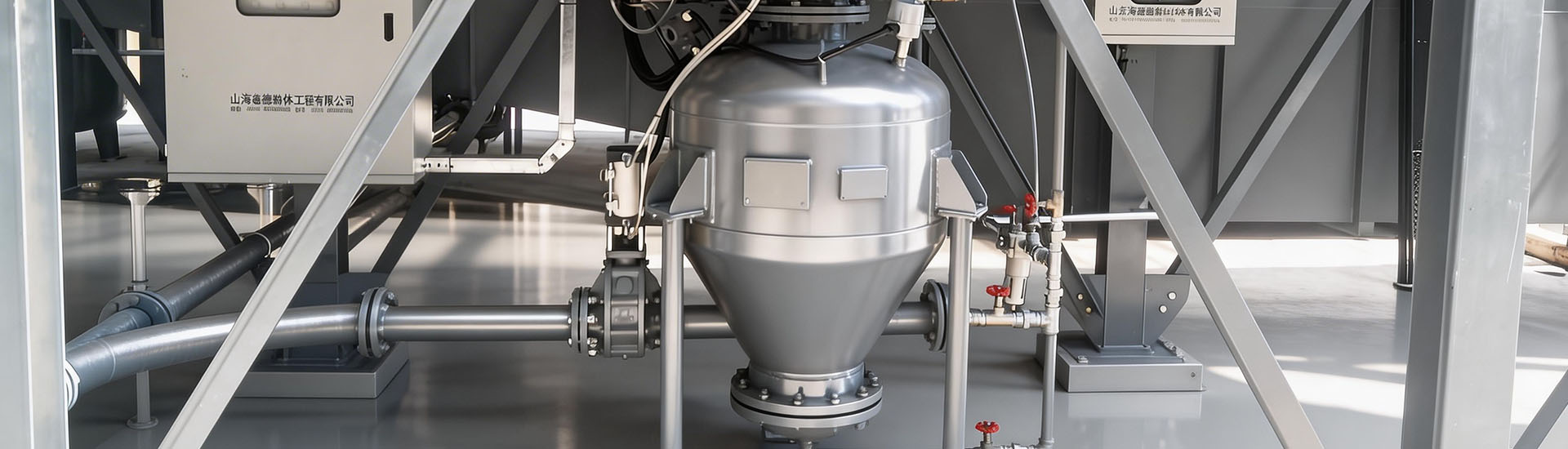
聚焦海德风采动态,分享行业技术资讯Choosing the right Pneumatic conveying system equipment for rice granules is a critical decision that impacts the efficiency and cost-effectiveness of your rice processing operations. The diverse characteristics of rice granules—such as their size, density, and moisture content—require specialized equipment to ensure smooth, reliable transport from storage to processing or packaging stages. This article provides a comprehensive guide to help professionals in the rice industry select the most suitable Pneumatic conveying system equipment, focusing on key factors that drive optimal performance.
At the core of selecting a Pneumatic conveying system is understanding the two primary types: positive pressure and negative pressure systems. Positive pressure systems use compressed air to push rice granules through a pipeline, making them ideal for short to medium-distance transport (typically up to 100 meters) and handling small, light particles. Negative pressure systems, on the other hand, create a vacuum to draw rice granules into the pipeline, which is better suited for longer distances (up to several hundred meters) and handling larger or heavier particles. The choice between these systems depends on factors like the required transport distance, the physical properties of the rice granules, and the layout of your processing facility. For instance, if your rice mill has multiple processing lines spread across a large area, a negative pressure system might be more efficient to avoid multiple air compressors.

When evaluating Pneumatic conveying system equipment, it's essential to assess several key performance indicators that directly affect operational efficiency and long-term costs. The most critical KPIs include: 1. **Transport efficiency**: Measured as the volume of rice granules moved per unit time (e.g., tons per hour), which reflects the system's ability to handle production demands. 2. **Energy consumption**: Compressed air is a significant operational cost, so systems with lower energy usage (e.g., variable frequency drives or optimized air flow) are preferable. 3. **Equipment lifespan**: The durability of components like pipelines, valves, and air motors impacts maintenance frequency and downtime. Materials such as stainless steel or wear-resistant alloys can extend the system's life, reducing replacement costs. 4. **Reliability and maintenance**: A system with easy-to-access components and clear maintenance schedules minimizes unexpected breakdowns and downtime. For example, systems with modular design allow for quick replacement of worn parts, ensuring continuous operation.
The physical properties of rice granules—such as their particle size, moisture content, and flowability—play a vital role in system selection. Rice granules vary widely in size, from fine broken grains to large whole grains, which affects the required pipeline diameter and air velocity to prevent blockages. High moisture content can cause rice to clump or stick to equipment, requiring additional features like heated pipelines or anti-adhesion coatings. The Pneumatic conveying system equipment must also integrate seamlessly with existing processes, such as storage silos, milling machines, and packaging lines. For instance, a system with adjustable air pressure and flow control allows operators to adapt to varying production rates, ensuring consistent output. Additionally, features like pulse valves for cleaning pipelines or self-cleaning filters for maintaining air quality are crucial for preventing clogs and maintaining system performance over time.

Choosing a reputable manufacturer like Head powder is a critical step in selecting a reliable Pneumatic conveying system equipment. A manufacturer with deep expertise in the rice industry understands the unique challenges of handling rice granules, such as their light weight and tendency to create dust. Head powder, for example, offers customized solutions tailored to specific rice types (e.g., long-grain, short-grain, or parboiled rice) and processing requirements. Their team of engineers works closely with clients to assess their current operations, identify bottlenecks, and design a system that maximizes efficiency while minimizing costs. Furthermore, a manufacturer with a strong after-sales support network provides on-site installation, training, and maintenance services, ensuring the system operates at peak performance. This partnership extends beyond the initial purchase, as manufacturers like Head powder offer technical support for troubleshooting and system upgrades, helping clients adapt to changing production needs over time.
While the initial cost of a Pneumatic conveying system equipment is a factor, it's essential to consider the total cost of ownership (TCO) over the system's lifespan. A more expensive system with higher energy efficiency and longer lifespan may have a lower TCO compared to a cheaper system that requires frequent repairs or replacements. For example, a system with energy-saving features like variable frequency drives can reduce electricity costs by up to 30% over its operational life, offsetting the higher initial investment. Similarly, choosing durable materials and high-quality components reduces the frequency of maintenance and part replacements, saving money in the long run. When evaluating costs, it's also important to consider the system's scalability—whether it can be expanded to accommodate future production growth. A well-designed Pneumatic conveying system equipment from a reputable manufacturer like Head powder provides this flexibility, ensuring it remains a valuable asset as your business grows.

If you're considering upgrading or installing a new Pneumatic conveying system equipment, Head powder offers free consultations and on-site assessments to help you make an informed decision. Their team of experts will work with you to design a tailored solution that meets your specific requirements, ensuring optimal performance and reliability. Contact Head powder today to learn more about their rice granule Pneumatic conveying system equipment and how they can help optimize your rice processing operations.

 Shandong Haide Powder Engineering Co., Ltd
 156-6277-7102(Manager Zhang)
  0531-83386006
  No. 1 Shanggao Industrial Park, Zhangqiu District, Jinan City, Shandong Province
 telephone
top