News
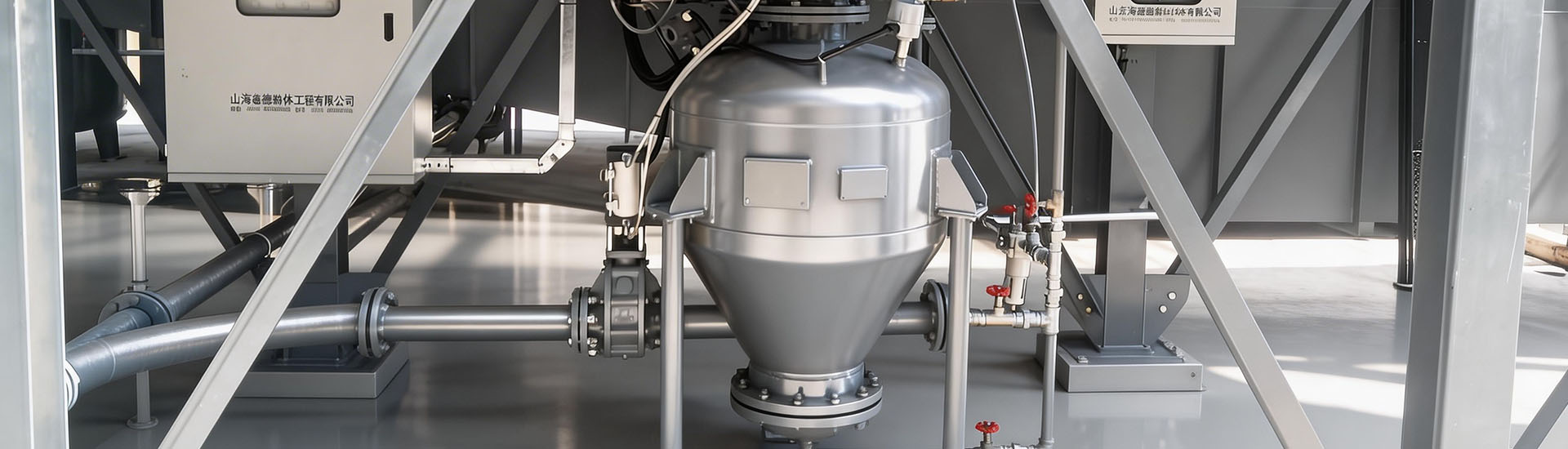
聚焦海德风采动态,分享行业技术资讯For potassium carbonate fertilizer manufacturers, the selection of a pneumatic conveying system equipment is a critical decision that directly impacts production efficiency, material handling costs, and overall operational stability. The pneumatic conveying system, by utilizing air as the transmission medium, offers advantages such as dust reduction, flexible layout, and the ability to handle bulk materials over long distances. However, the diverse characteristics of potassium carbonate fertilizer—such as particle size, moisture content, and flowability—require careful consideration when choosing the right equipment. This article aims to guide you through the key factors and considerations to ensure you select a pneumatic conveying system that meets your specific needs.
The physical properties of potassium carbonate fertilizer are the primary drivers in determining the optimal pneumatic conveying system. For instance, if the fertilizer has fine particles (typically less than 0.5 mm), the system must be designed to handle high air velocities and potentially lower pressure to prevent blockages. Conversely, if the material is coarser or has higher moisture content, the system may require additional features like anti-caking mechanisms or moisture control to maintain consistent flow. Head powder's pneumatic conveying systems are engineered to accommodate these variations, with adjustable parameters that can be fine-tuned based on real-time material analysis.

There are two main categories of pneumatic conveying systems: suction (or vacuum) and pressure systems. Suction systems use negative pressure to draw material from multiple sources into a central collection point, making them ideal for short to medium distances and multiple feeding points. Pressure systems, on the other hand, use positive pressure to push material through the system, suitable for long-distance transport and high-volume applications. Some advanced systems, like those offered by Head powder, incorporate a combination of both, allowing for flexible and efficient handling of complex material flow scenarios. The choice between these types depends on factors such as the number of feeding points, total distance, and required throughput.
When selecting a pneumatic conveying system, several performance indicators are crucial. The system's capacity, measured in tons per hour, must align with your production scale. The pressure range, whether it's low (under 0.5 bar) or high (over 1 bar), dictates the distance and material type it can handle. Energy consumption is another critical factor; efficient systems minimize power usage while maintaining performance. Head powder's pneumatic conveying equipment is designed with energy-efficient motors and optimized air flow paths, reducing operational costs without compromising on throughput. Additionally, reliability—measured by mean time between failures (MTBF)—is essential for continuous production, and Head powder's systems are built with durable components to ensure long-term stability.

The long-term performance of a pneumatic conveying system is closely tied to its maintenance strategy. Head powder's systems are designed with modular components, making routine checks and repairs easier and faster. For example, the air filter and cyclone separator can be accessed without extensive disassembly, reducing downtime. Furthermore, the use of high-quality materials, such as stainless steel for contact parts, enhances resistance to corrosion from potassium carbonate's chemical properties. By investing in a well-maintained system, manufacturers can achieve lower total cost of ownership (TCO) over time, as opposed to frequent replacements or repairs. Head powder provides comprehensive maintenance services and spare parts support to ensure your system operates at peak efficiency throughout its lifespan.

If you are facing challenges in selecting the right pneumatic conveying system for your potassium carbonate fertilizer operations, Head powder is here to help. Our team of experts specializes in designing and manufacturing customized pneumatic conveying equipment tailored to your specific production requirements. Whether you need a simple suction system for short-distance transport or a complex combination system for multi-stage processing, we can provide solutions that enhance productivity, reduce costs, and ensure compliance with industry standards. Contact us today to schedule a consultation and learn how our pneumatic conveying system equipment can optimize your fertilizer handling process.

 Shandong Haide Powder Engineering Co., Ltd
 156-6277-7102(Manager Zhang)
  0531-83386006
  No. 1 Shanggao Industrial Park, Zhangqiu District, Jinan City, Shandong Province
 telephone
top