News
聚焦海德风采动态,分享行业技术资讯In industrial applications, the selection of a Pneumatic conveying system equipment is a critical decision that directly impacts operational efficiency and cost-effectiveness. For companies handling pellet materials, understanding the right equipment is essential to ensure smooth material transport from source to destination. Head powder, as a leading manufacturer, provides a systematic approach to selecting the optimal Pneumatic conveying system equipment, guiding users through key considerations from material analysis to system integration.
Before selecting any Pneumatic conveying system equipment, it's crucial to conduct a thorough assessment of the material properties. Factors such as particle size, density, moisture content, and flowability significantly influence the choice of equipment. For instance, fine pellets may require a different approach compared to coarse ones, as finer particles are more prone to segregation and require higher air velocities to maintain flow. Head powder's experts recommend analyzing these parameters to determine the appropriate conveying method—whether it's a positive pressure system or a negative pressure system—and the specific Pneumatic conveying system equipment components needed.
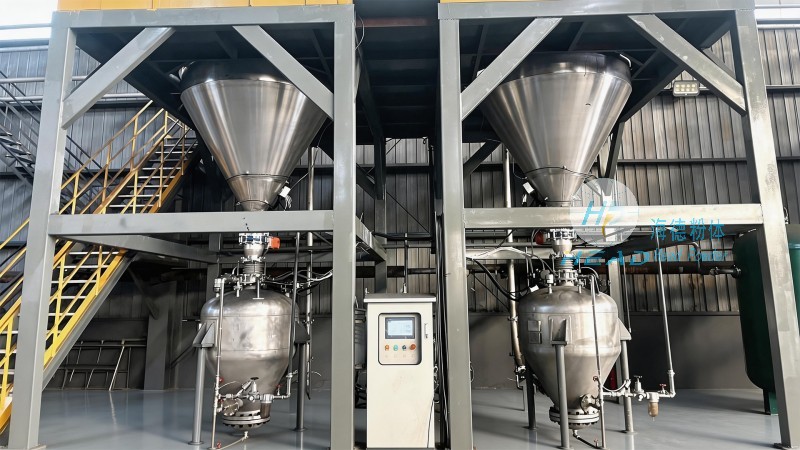
System design involves optimizing pressure and flow rate to achieve efficient material transport. Positive pressure systems, where air is blown into the system, are suitable for long-distance or high-resistance applications, while negative pressure systems, where air is drawn out, are ideal for short distances or where dust control is a priority. The selection of Pneumatic conveying system equipment, such as the type of hopper and conveyor, directly impacts the system's pressure requirements. Head powder offers a range of Pneumatic conveying system equipment that can be tailored to meet specific pressure and flow rate needs, ensuring minimal energy consumption and maximum throughput.
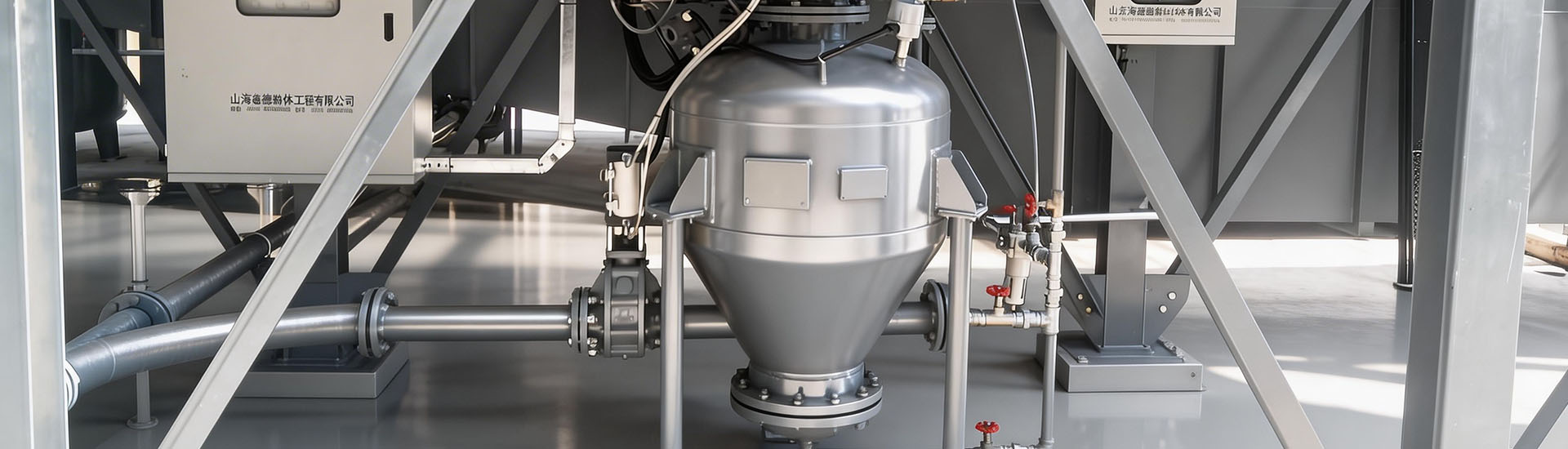
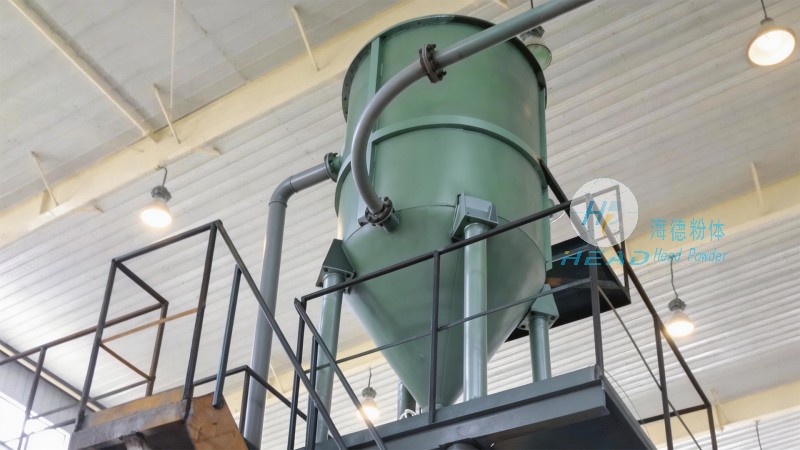
The core components of a Pneumatic conveying system equipment include hoppers, which store and feed the material, conveyors (like pipelines or ducts) that transport the material, and control valves that regulate air flow. The design of the hopper, including its shape and outlet, affects the material's flow characteristics, preventing issues like bridging or rat-holing. Conveyor diameter and material of construction (e.g., stainless steel for corrosive materials) are also critical. Control valves, such as rotary valves or butterfly valves, manage the air intake and material discharge, ensuring precise control over the conveying process. Head powder's Pneumatic conveying system equipment is engineered with these components in mind, providing reliable performance and durability.

After selecting the Pneumatic conveying system equipment and components, integration and testing are essential to validate the system's performance. This step ensures that all parts work together seamlessly and that the system meets operational requirements. Head powder provides comprehensive support, including on-site testing and commissioning, to ensure the Pneumatic conveying system equipment operates as intended. By conducting thorough testing, users can identify and resolve potential issues before full-scale production, minimizing downtime and maximizing the system's lifespan.
For businesses seeking to optimize their pellet material handling processes, the right Pneumatic conveying system equipment is key. Head powder offers a comprehensive range of Pneumatic conveying system equipment designed to meet diverse industrial needs. Our team of experts is ready to assist with equipment selection, providing tailored solutions that enhance efficiency and reduce operational costs. Contact Head powder today to learn more about our Pneumatic conveying system equipment and how we can help streamline your material transport operations.

 Shandong Haide Powder Engineering Co., Ltd
 156-6277-7102(Manager Zhang)
  0531-83386006
  No. 1 Shanggao Industrial Park, Zhangqiu District, Jinan City, Shandong Province
 telephone
top