News
聚焦海德风采动态,分享行业技术资讯In industrial material handling, the seamless integration of ton bag dust-free feeding stations with pneumatic conveying systems is pivotal for achieving efficient, dust-free, and automated material transfer. This article delves into the conventional process steps involved in selecting an optimal pneumatic conveying system for such applications, providing a comprehensive guide for professionals seeking to enhance their production workflows.
A ton bag dust-free feeding station is designed to automate the unloading of bulk powders or granules from ton bags, ensuring minimal dust generation and contamination. The pneumatic conveying system acts as the backbone of this process, transporting the material from the feeding station to the processing equipment. This integration is critical for industries like pharmaceuticals, food processing, and chemical manufacturing, where product purity and operational safety are paramount.

Selecting the right pneumatic conveying system for a ton bag dust-free feeding station requires careful evaluation of several factors. First, the physical properties of the material—such as particle size, moisture content, and flowability—determine the type of system (e.g., pressure or vacuum-based). Second, the distance between the feeding station and the processing equipment influences the system's pressure requirements. For short distances, low-pressure systems may suffice, while long-distance or high-volume applications demand high-pressure or combination systems. Additionally, energy efficiency and maintenance costs are key considerations for long-term operational viability.
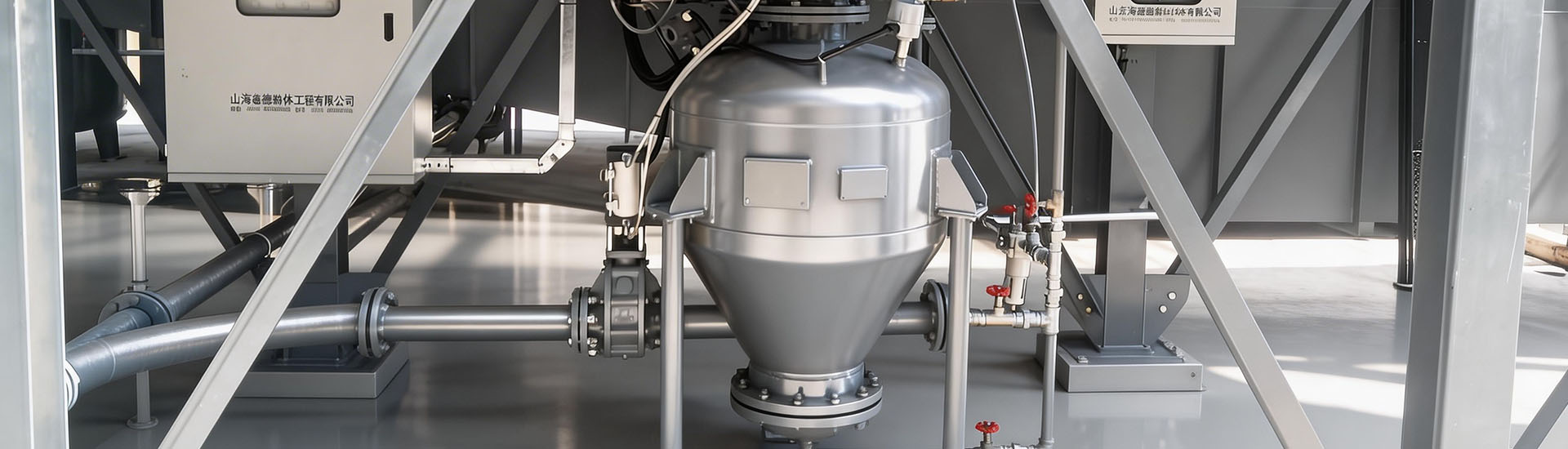
The installation process of a pneumatic conveying system for a ton bag dust-free feeding station typically involves several systematic steps. Initially, the layout of the system is planned to minimize pipe length and optimize airflow. Next, the feeding station is connected to the pneumatic conveying equipment, with proper sealing to prevent dust leakage. The gas source (usually compressed air) is then connected to the system, and the electrical components are installed and tested. During the operation phase, the system is first tested for pressure stability and leakages. The ton bag is then placed in the feeding station, and the pneumatic conveying process is initiated, ensuring smooth material transfer to the target equipment.

Implementing a well-designed pneumatic conveying system with a ton bag dust-free feeding station offers numerous advantages. It significantly reduces manual labor by automating the unloading process, thereby increasing production efficiency. The dust-free design minimizes environmental contamination and health risks for operators, aligning with regulatory standards. Furthermore, the system's ability to handle various material types and scales makes it versatile for different industrial applications. By selecting a high-quality system from a reputable manufacturer like Head powder, businesses can expect enhanced reliability, lower maintenance costs, and extended equipment lifespan.

For businesses looking to optimize their material handling processes, understanding the conventional process steps for pneumatic conveying selection is essential. At Head powder, we specialize in providing customized ton bag dust-free feeding stations and pneumatic conveying systems tailored to specific industry needs. Our team of experts can assist in evaluating your requirements, designing the optimal system, and ensuring seamless integration into your existing operations. Contact us today to learn more about how our solutions can enhance your production efficiency and product quality.

 Shandong Haide Powder Engineering Co., Ltd
 156-6277-7102(Manager Zhang)
  0531-83386006
  No. 1 Shanggao Industrial Park, Zhangqiu District, Jinan City, Shandong Province
 telephone
top