News
聚焦海德风采动态,分享行业技术资讯In industrial settings, the efficient and reliable handling of pouch feeding powders is a critical process that directly impacts production efficiency and product quality. The pneumatic conveying of sachet feeding powder has emerged as a preferred method for many manufacturers due to its ability to transport powders over long distances with minimal dust generation and reduced risk of contamination. However, achieving optimal performance in such systems requires careful consideration of several key factors, from material properties to system design, to ensure seamless operation and maximize productivity.
Pneumatic conveying systems offer several distinct advantages when handling pouch feeding powders. Firstly, they provide a dust-free environment, which is crucial for maintaining product purity and compliance with industry standards. Secondly, these systems can transport powders over considerable distances without the need for complex infrastructure, making them ideal for large-scale operations. Additionally, the ability to control flow rates and pressure allows for precise dosing, enhancing the accuracy of the feeding process. The sachet feeding powder is pneumatically conveyed by Head powder, leveraging these benefits to deliver consistent performance in various applications.

Despite its benefits, pneumatic conveying of pouch feeding powders can present challenges such as clogging, pressure drop, and material degradation. Clogging often occurs due to the presence of moisture or agglomerates in the powder, which can be mitigated by incorporating drying or de-agglomeration steps before conveying. Pressure drop is another common issue, typically caused by excessive particle size or inadequate system design; optimizing the pipeline diameter and using appropriate filters can help maintain consistent pressure. Material degradation, particularly for heat-sensitive powders, can be addressed by using low-temperature conveying methods or insulated pipelines. Head powder's expertise in designing tailored pneumatic conveying solutions helps clients overcome these challenges effectively.

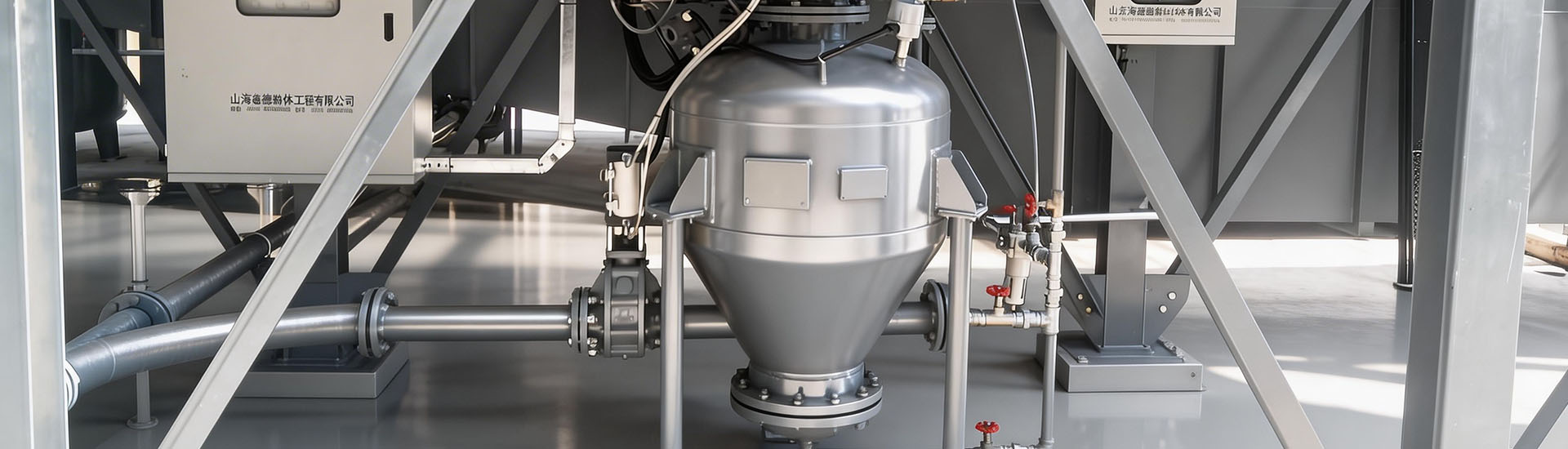
A well-designed pneumatic conveying system for pouch feeding powders consists of several key components, including a hopper, feeder, air compressor, and conveying line. The hopper is used to store the powder, while the feeder controls the flow rate, ensuring a steady supply to the system. The air compressor generates the necessary pressure to move the powder through the line, and the conveying line, often made of stainless steel, prevents contamination and ensures durability. The configuration of these components is critical; for example, the use of a positive displacement blower instead of a centrifugal fan can provide better control over pressure and flow, especially for low-flow applications. Head powder specializes in integrating these components into a cohesive system that meets the specific needs of each client, ensuring reliable and efficient operation.

Understanding the nuances of pneumatic conveying for pouch feeding powders is essential for optimizing industrial processes and enhancing product quality. By leveraging the expertise of manufacturers like Head powder, businesses can implement effective solutions that address their unique challenges and improve overall productivity. For more information on how our pneumatic conveying systems can enhance your operations, please contact us today to discuss your specific requirements and explore tailored solutions.

 Shandong Haide Powder Engineering Co., Ltd
 156-6277-7102(Manager Zhang)
  0531-83386006
  No. 1 Shanggao Industrial Park, Zhangqiu District, Jinan City, Shandong Province
 telephone
top