News
聚焦海德风采动态,分享行业技术资讯For manufacturers of flour material conveying system equipment, the design and implementation of efficient, reliable, and safe systems are critical. The choice of components, material properties, and operational parameters directly impacts the performance and longevity of the entire conveying process. Understanding and addressing these key factors is essential for delivering high-quality solutions that meet the demands of modern flour processing industries.
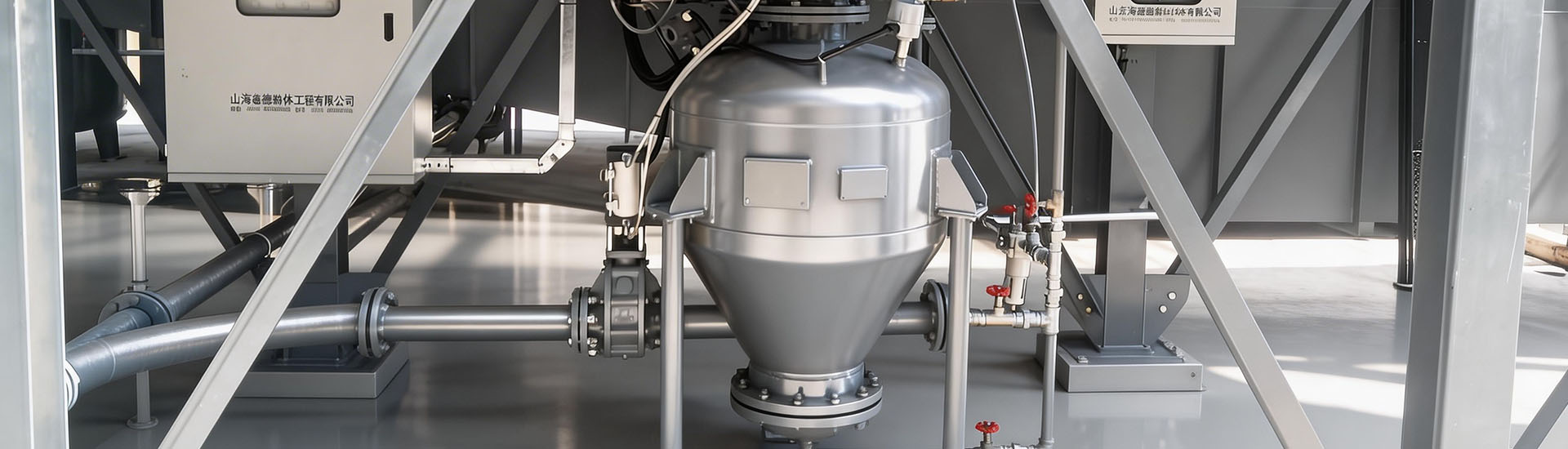
One of the primary considerations for manufacturers is the system design itself. The layout and configuration of the conveying system must align with the specific characteristics of flour materials, such as their moisture content, particle size, and flowability. A well-designed system ensures smooth material transfer, minimizing the risk of blockages or degradation. For instance, Head Powder's expertise in customizing conveying systems to match the unique properties of different flour types has proven effective in optimizing material handling efficiency.
Material compatibility is another critical factor. The conveying equipment must be constructed from materials that resist corrosion, abrasion, and chemical exposure. Stainless steel, for example, is a popular choice due to its durability and resistance to flour dust and moisture. Manufacturers must evaluate the interaction between the flour material and the equipment surfaces to prevent contamination or equipment wear.

Efficiency is a key metric for any conveying system, as it directly affects operational costs. Manufacturers need to balance the speed of material transfer with energy consumption. Advanced technologies, such as variable frequency drives (VFDs), allow for precise control of motor speed, reducing energy waste during low-demand periods. This not only lowers electricity bills but also extends the lifespan of the motor and other components. Head Powder's flour material conveying system equipment incorporates energy-efficient designs, ensuring optimal performance without excessive power usage.
Moreover, the system's ability to handle varying material volumes without compromising speed is crucial. A flexible design that can adapt to changes in production rates enhances overall efficiency. By optimizing the conveying speed and pressure, manufacturers can minimize energy consumption while maintaining consistent material flow. This approach aligns with sustainability goals and reduces the environmental impact of flour processing operations.
Maintenance and reliability are often overlooked but are vital for long-term system performance. Manufacturers must design equipment that is easy to clean, inspect, and repair. For flour processing, where hygiene is paramount, systems with smooth surfaces and minimal crevices are essential to prevent dust accumulation and bacterial growth. Head Powder's conveying systems feature easy-to-access components, facilitating regular maintenance and reducing downtime. This focus on reliability ensures that the equipment operates consistently, even under high-volume production conditions.

Reliability also depends on the quality of materials used in construction. Durable components, such as high-strength steel and wear-resistant coatings, reduce the frequency of replacements and repairs. By investing in robust materials, manufacturers can extend the system's lifespan and minimize maintenance costs. Additionally, regular maintenance schedules and predictive monitoring systems help identify potential issues before they escalate, ensuring continuous operation and reducing unexpected breakdowns.
Safety is a non-negotiable factor in flour material conveying systems, given the potential hazards associated with dust explosions and material handling. Manufacturers must adhere to stringent safety standards, such as those outlined by the National Fire Protection Association (NFPA) and local regulations. The design of the system must include features like explosion-proof motors, dust collection systems, and emergency shut-off mechanisms to mitigate risks. Head Powder's flour material conveying system equipment is engineered to meet or exceed these safety standards, providing peace of mind to users.

Compliance with industry regulations is also critical. Manufacturers need to stay updated on evolving standards and adapt their designs accordingly. This includes considerations like electrical safety, noise levels, and environmental impact. By prioritizing safety, manufacturers not only protect their employees and facilities but also avoid costly fines and reputational damage. A safe conveying system is not just a regulatory requirement but a competitive advantage in the market.
At Head Powder, we understand that the success of a flour material conveying system depends on careful consideration of these and other factors. Our team of experts works closely with clients to design customized solutions that address their specific needs, ensuring optimal performance, reliability, and safety. Whether you're looking to upgrade an existing system or build a new one, we offer comprehensive support from design to installation and maintenance. Contact us today to learn more about how our flour material conveying system equipment can enhance your flour processing operations.

 Shandong Haide Powder Engineering Co., Ltd
 156-6277-7102(Manager Zhang)
  0531-83386006
  No. 1 Shanggao Industrial Park, Zhangqiu District, Jinan City, Shandong Province
 telephone
top