News
聚焦海德风采动态,分享行业技术资讯For professionals in the fine chemical industry, selecting the right conveying system equipment is a critical decision that directly impacts operational efficiency, product quality, and long-term cost-effectiveness. The complexity of fine chemicals, such as pharmaceutical intermediates, specialty chemicals, and high-purity materials, demands specialized equipment that can handle delicate properties like moisture sensitivity, particle size, and chemical reactivity. This article provides a systematic guide to the key process steps involved in selecting the appropriate fine chemical conveying system equipment, helping businesses make informed choices that align with their production needs.
Before any equipment selection, a thorough analysis of the production process is essential. This involves identifying the type of fine chemicals being handled—whether they are powders, granules, or slurries—and understanding their unique characteristics, such as particle size distribution, moisture content, and chemical stability. Key parameters to consider include the required conveying capacity (e.g., tons per hour), the distance between the source and destination, and the operating environment (e.g., temperature, pressure, and exposure to corrosive substances). Accurate data from this stage forms the foundation for subsequent decisions, ensuring the chosen system can meet both current and future production demands.

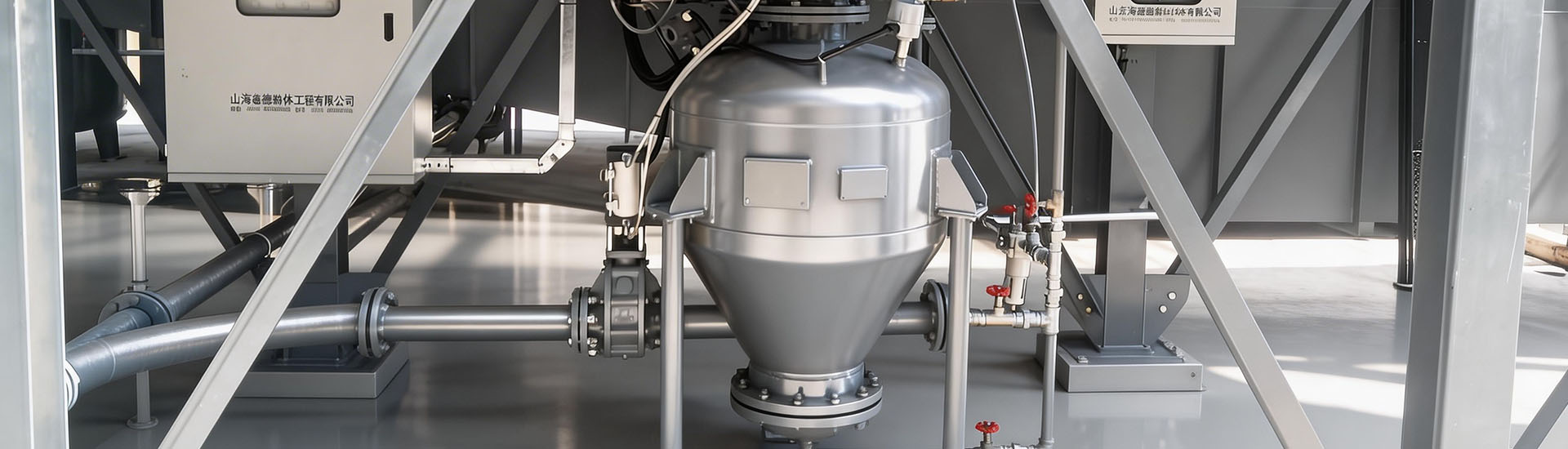
Fine chemical conveying systems primarily fall into two categories: air-liquid (pneumatic) and mechanical. Air-liquid systems use compressed air or gas to transport materials, offering advantages like low maintenance, ability to handle fine powders without degradation, and flexibility in layout. However, they may require more energy and careful management of dust and emissions. Mechanical systems, such as screw conveyors, belt conveyors, or bucket elevators, rely on physical components to move materials and are often more suitable for bulkier or heavier particles. The choice between these systems depends on factors like material properties, plant layout, and budget constraints. For instance, if the fine chemicals are highly sensitive to air exposure, an enclosed mechanical conveyor might be preferable to prevent contamination.
Once the system type is determined, specifying the technical parameters is crucial. Pressure levels, typically measured in bars or psi, dictate the conveying velocity and distance. Higher pressure allows for longer distances but may increase energy consumption. Flow rate, measured in cubic meters per hour or tons per hour, must match the production scale to avoid bottlenecks or overloading. Sealing is another critical aspect, especially for fine chemicals that are hygroscopic or reactive. Proper sealing prevents material leakage, contamination, and exposure to air, which can degrade product quality. For example, vacuum conveying systems are often used for moisture-sensitive powders to maintain low humidity levels during transport.

Choosing a reputable manufacturer is as important as selecting the right equipment. Look for suppliers with experience in the fine chemical industry, a track record of delivering high-quality conveying systems, and certifications such as ISO 9001 or GMP compliance. Request references from previous clients and review their case studies to understand how the equipment has performed in similar applications. Additionally, validate the equipment through pilot testing or trial runs, especially for unique or sensitive materials. This step ensures that the system meets all regulatory and quality standards before full-scale implementation.

At Head powder, we understand the unique challenges of fine chemical conveying and offer tailored solutions that address your specific needs. Our team of experts can guide you through each step of the selection process, from initial analysis to final installation. Whether you require a custom-designed air-liquid system or a robust mechanical conveyor, we prioritize quality, efficiency, and reliability. Contact us today to learn more about our fine chemical conveying system equipment and how we can help optimize your production processes.

 Shandong Haide Powder Engineering Co., Ltd
 156-6277-7102(Manager Zhang)
  0531-83386006
  No. 1 Shanggao Industrial Park, Zhangqiu District, Jinan City, Shandong Province
 telephone
top