News
聚焦海德风采动态,分享行业技术资讯In the pharmaceutical industry, the safe and efficient transportation of powders is crucial for maintaining product quality and regulatory compliance. The conventional pneumatic conveying process for pharmaceutical powders involves a series of meticulously designed steps that ensure minimal contamination, optimal flow, and adherence to stringent industry standards. This article provides a detailed breakdown of the typical workflow, highlighting key components and operational principles that underpin the success of pharmaceutical powder pneumatic conveying systems.
Before the pneumatic conveying process begins, thorough preparation of the pharmaceutical powder is essential to prevent contamination and ensure consistent performance. This initial stage involves handling raw materials from storage, where they are typically kept in clean, sealed containers to maintain purity. The powder may undergo pre-processing steps such as screening to remove foreign particles or agglomerates, which could obstruct the conveying system or compromise product quality. Additionally, moisture content is often monitored and adjusted to prevent caking or degradation during transport. Proper preparation not only safeguards the product but also extends the lifespan of the conveying equipment by reducing wear and tear from irregular particles.

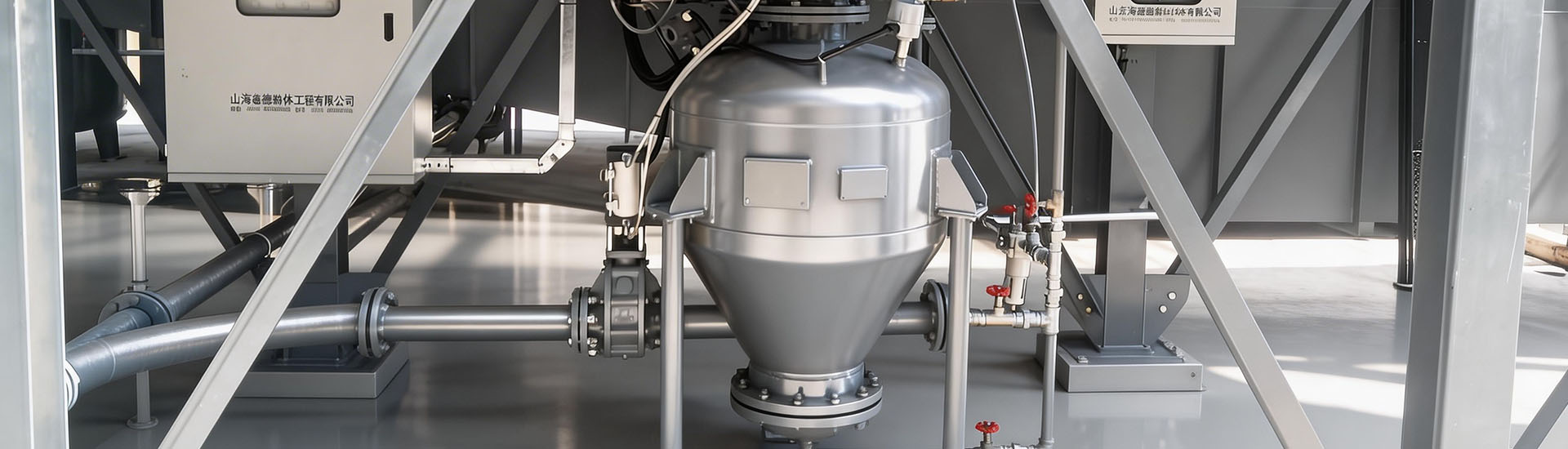
The conventional pneumatic conveying system for pharmaceutical powders consists of several critical components that work in tandem to facilitate efficient transport. The primary elements include a feeder, which meters the powder into the system at a controlled rate; an air compressor that generates the necessary pressure to move the powder through the pipeline; a pipeline network that transports the powder and air mixture; and a receiver where the powder is deposited. Each component is designed with materials that are non-reactive and easy to clean, such as stainless steel or PTFE-coated surfaces, to meet regulatory requirements for hygiene. The feeder, often a rotary valve or a screw feeder, ensures a steady flow of powder, while the air compressor, typically a positive displacement type, provides consistent air pressure. The pipeline, usually made of flexible or rigid tubing, is sized and routed to minimize pressure drop and ensure smooth flow. The receiver, equipped with a vent and filter, captures the powder and allows for easy discharge, often with a dust collection system to prevent environmental contamination.
Once the system is prepared, the operation phase begins with the start-up sequence. The air compressor is activated first, followed by the feeder, which introduces the powder into the pipeline. The system is then monitored for pressure, flow rate, and temperature to ensure optimal performance. Control systems, often integrated with sensors and automation, adjust air pressure and powder feed rates in real-time to maintain a stable conveying process. This dynamic control is crucial for handling different powder characteristics, such as varying densities or flowability. Safety measures are also integral, with interlocks to prevent operation if the system is not properly sealed or if there are blockages. Regular maintenance checks are performed to ensure all components are functioning correctly, and any issues are addressed promptly to avoid downtime or product loss. The ability to control the process precisely not only enhances efficiency but also ensures compliance with Good Manufacturing Practices (GMP), which are mandatory in the pharmaceutical industry.

After the powder has been successfully conveyed to the receiver, the post-conveyance handling phase focuses on unloading, storage, and quality verification. The receiver is typically equipped with a discharge valve that allows the powder to be transferred to storage containers or processing equipment. This step must be done carefully to avoid spillage or re-entrainment of powder, which could lead to contamination. The stored powder is then subjected to quality checks, including particle size analysis, moisture content measurement, and microbial testing, to confirm that it meets the required specifications. Additionally, the conveying system is cleaned and sanitized to prevent cross-contamination between batches. This final stage is critical for maintaining product integrity and ensuring that the pharmaceutical powder is ready for the next stage of manufacturing, such as blending or packaging. Proper post-conveyance handling complements the entire pneumatic conveying process, ensuring that the end product is of the highest quality and meets regulatory standards.

Head powder, as a leading manufacturer of pharmaceutical powder pneumatic conveying systems, offers customized solutions tailored to the unique needs of the pharmaceutical industry. Our expertise in designing and implementing efficient, GMP-compliant conveying systems ensures that your operations run smoothly while maintaining the highest standards of product safety and quality. To learn more about how our systems can enhance your production process, contact us today for a consultation or to request a demonstration. We are committed to providing reliable solutions that meet the demanding requirements of the pharmaceutical sector, helping you achieve operational excellence and regulatory compliance.

 Shandong Haide Powder Engineering Co., Ltd
 156-6277-7102(Manager Zhang)
  0531-83386006
  No. 1 Shanggao Industrial Park, Zhangqiu District, Jinan City, Shandong Province
 telephone
top