News
聚焦海德风采动态,分享行业技术资讯In the rapidly evolving field of lithium battery technology, the efficient and cost-effective handling of lithium oxide materials has become a critical focus for manufacturers. The traditional methods of material transport often face challenges such as material loss, equipment wear, and operational inefficiencies. This is where specialized solutions like pneumatic conveying systems come into play, and the choice of lithium oxide materials is paramount to optimizing both performance and cost.
When selecting lithium oxide materials for pneumatic conveying, several key properties must be considered to ensure optimal performance and minimize operational costs. The particle size distribution is a primary factor; finer particles may require higher air pressure to maintain flow, while larger particles can lead to blockages and increased wear on equipment components. Density and bulk density also play a crucial role, as higher density materials may necessitate more robust pumps and ducts to handle the increased load. Additionally, the flowability and cohesive properties of the material affect how easily it moves through the system, with cohesive materials potentially requiring anti-sticking additives or specialized hopper designs. Head powder offers a range of lithium oxide materials engineered to balance these properties, ensuring smooth and efficient conveying without excessive energy consumption.

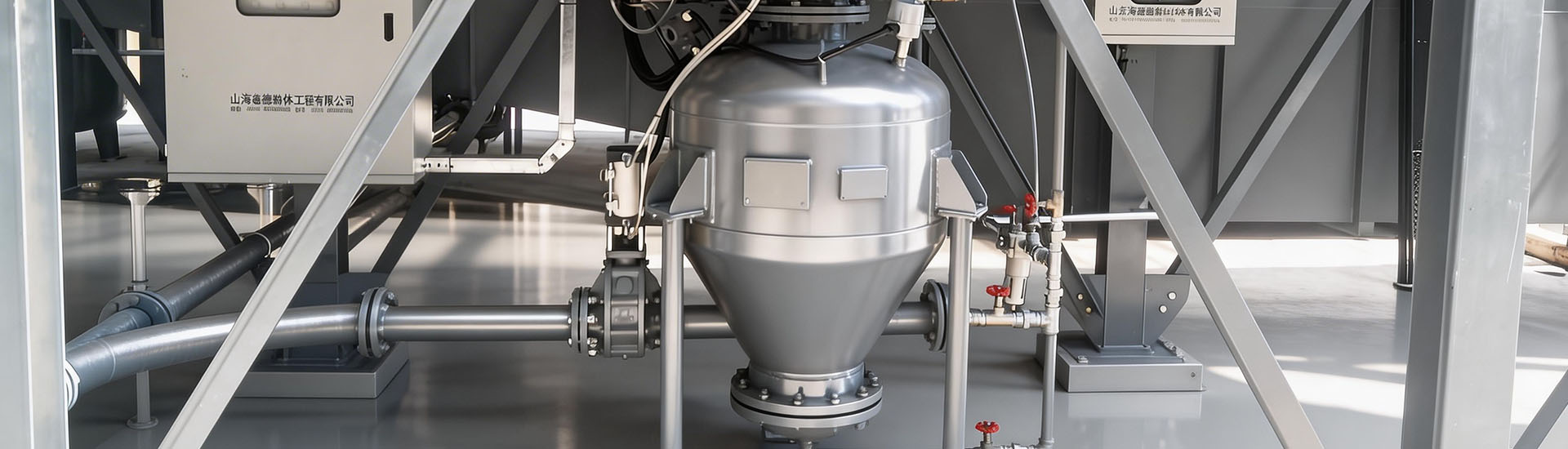
The success of a pneumatic conveying system depends heavily on matching the equipment to the specific characteristics of the lithium oxide material being handled. For instance, positive pressure systems are often preferred for abrasive or corrosive materials, as they provide better control over air flow and pressure. Negative pressure systems, on the other hand, are suitable for lighter materials or when dust containment is a priority. The choice of duct material, such as stainless steel or plastic, is also influenced by the material's chemical properties, as lithium oxide can be reactive under certain conditions. Head powder's expertise in material science allows them to recommend the most appropriate equipment configurations, ensuring that the system is both cost-effective and durable.

Choosing the most cost-effective lithium oxide materials involves a comprehensive analysis of both short-term and long-term costs. While the initial material cost may be a factor, the total cost of ownership (TCO) is often more critical. This includes the cost of equipment wear, maintenance, and energy consumption over the system's lifespan. For example, using high-quality, low-abrasive lithium oxide materials from Head powder can reduce the frequency of pump and duct replacements, thereby lowering maintenance costs. Furthermore, optimized material flow can reduce energy usage, leading to significant savings on operational expenses. By evaluating these factors, manufacturers can make informed decisions that not only improve efficiency but also enhance their bottom line.

At Head powder, we understand that selecting the right lithium oxide materials for pneumatic conveying is a complex decision. Our team of experts is dedicated to providing tailored solutions that meet your specific needs and budget. Whether you need assistance with material selection, system design, or cost analysis, we are here to help. Contact us today to request samples or a detailed consultation, and let us help you achieve the best possible results in your lithium oxide material handling processes.

 Shandong Haide Powder Engineering Co., Ltd
 156-6277-7102(Manager Zhang)
  0531-83386006
  No. 1 Shanggao Industrial Park, Zhangqiu District, Jinan City, Shandong Province
 telephone
top