News
聚焦海德风采动态,分享行业技术资讯For manufacturers specializing in activated carbon pellet conveying systems, the success of their operations hinges on a comprehensive understanding of critical factors that influence system performance, efficiency, and longevity. The design and implementation of such systems require meticulous consideration of various technical, operational, and environmental elements to ensure optimal functionality and alignment with industry standards. From material selection to energy management, each aspect plays a pivotal role in determining the overall effectiveness of the conveying process.
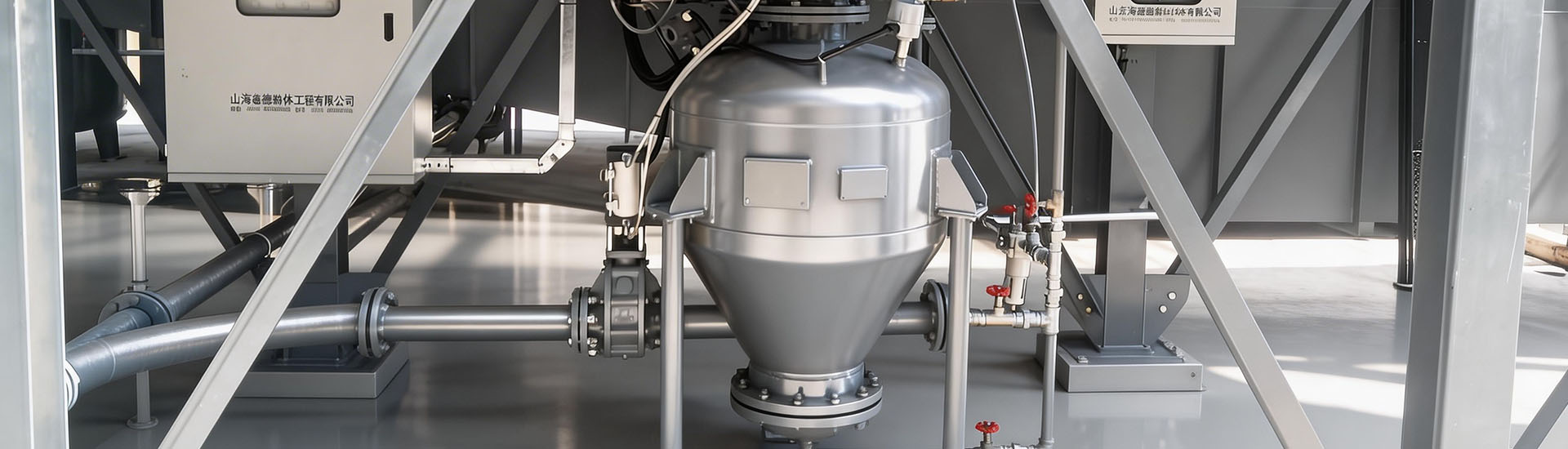
When designing activated carbon pellet conveying systems, manufacturers must first consider the unique physical properties of the activated carbon pellets themselves. These include particle size, density, and moisture content, as these factors directly impact the flow characteristics and required conveying velocity. A well-designed system should account for these variables to prevent issues like clogging or uneven distribution. Additionally, the choice of conveying method—such as pneumatic or mechanical systems—depends on the specific application and operational constraints. For instance, pneumatic conveying is often preferred for fine or dusty pellets due to its ability to handle high volumes with minimal maintenance, while mechanical systems like screw conveyors may be more suitable for bulkier or wetter materials. The integration of these components into a cohesive system demands expertise in fluid dynamics and mechanical engineering to ensure smooth, uninterrupted operation.

Given that activated carbon is frequently used in industrial processes involving chemicals, the materials used in conveying equipment must exhibit high resistance to corrosion and chemical degradation. Stainless steel, particularly grades like 316 or 316L, is a common choice due to its durability and ability to withstand exposure to acids, bases, and other aggressive substances. For more severe conditions, specialized alloys or coated components may be necessary to extend the equipment's lifespan. Manufacturers must also consider the potential for abrasion from the pellets, as repeated contact can wear down surfaces over time. By selecting materials that balance strength, corrosion resistance, and wear resistance, manufacturers can ensure the longevity of their systems and minimize downtime for repairs or replacements.
In today's industrial landscape, energy efficiency and environmental responsibility are paramount for activated carbon pellet conveying manufacturers. Advanced systems incorporate features like variable frequency drives (VFDs) to regulate motor speed and reduce energy consumption during low-demand periods. This not only lowers operational costs but also aligns with global sustainability goals. Additionally, manufacturers must adhere to environmental regulations regarding emissions and waste management. For example, dust collection systems and filtration units are often integrated into the conveying process to minimize particulate release into the environment. By prioritizing energy-efficient designs and eco-friendly technologies, manufacturers can enhance their competitive edge while contributing to a more sustainable industrial ecosystem.

The reliability of an activated carbon pellet conveying system is directly tied to its maintenance strategy and component durability. Manufacturers should prioritize the use of wear-resistant materials for critical parts, such as conveyor belts, hoppers, and piping, to reduce the frequency of replacements. Regular maintenance schedules, including inspections for wear, leaks, or blockages, are essential to prevent minor issues from escalating into major failures. Furthermore, the integration of monitoring systems, such as sensors for flow rate or pressure, can provide real-time data to detect anomalies early. By focusing on proactive maintenance and robust design, manufacturers can minimize downtime, extend the lifespan of their equipment, and ensure consistent performance over time.

At Head Powder, we understand that the success of your activated carbon pellet conveying operations depends on a deep understanding of these critical factors. Our team of experts specializes in designing customized solutions that address your specific needs, from material handling to energy efficiency. Whether you require a new system or upgrades to an existing one, we are committed to delivering high-quality, reliable equipment that meets the highest industry standards. Contact us today to learn more about how our activated carbon pellet conveying solutions can optimize your processes and enhance your bottom line.

 Shandong Haide Powder Engineering Co., Ltd
 156-6277-7102(Manager Zhang)
  0531-83386006
  No. 1 Shanggao Industrial Park, Zhangqiu District, Jinan City, Shandong Province
 telephone
top