News
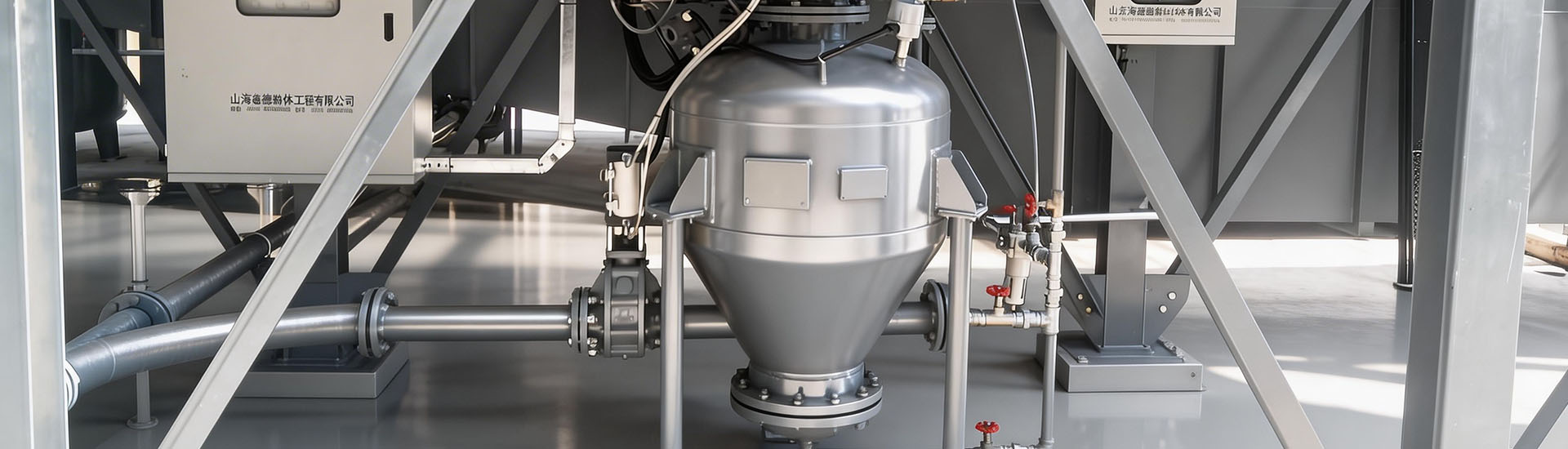
聚焦海德风采动态,分享行业技术资讯When it comes to material handling, high-pressure pneumatic conveying systems have become a cornerstone for efficient bulk material transport. However, the success of such systems hinges on careful consideration of several critical factors. From the nature of the material being conveyed to the operational distance and energy consumption, each element plays a pivotal role in determining the system's effectiveness and long-term viability.
One of the first and most critical factors to evaluate is the physical and chemical properties of the material. For instance, the particle size, density, and flowability of powders or granules directly impact the choice of equipment. A system designed for fine powders with high moisture content might require specialized filters and moisture-resistant components, whereas bulkier, less cohesive materials may benefit from higher pressure to ensure consistent flow. Understanding these characteristics allows manufacturers to select the right high-pressure pneumatic conveying components, such as the appropriate air compressor and pipeline diameter, to avoid issues like blockages or inefficient transport.
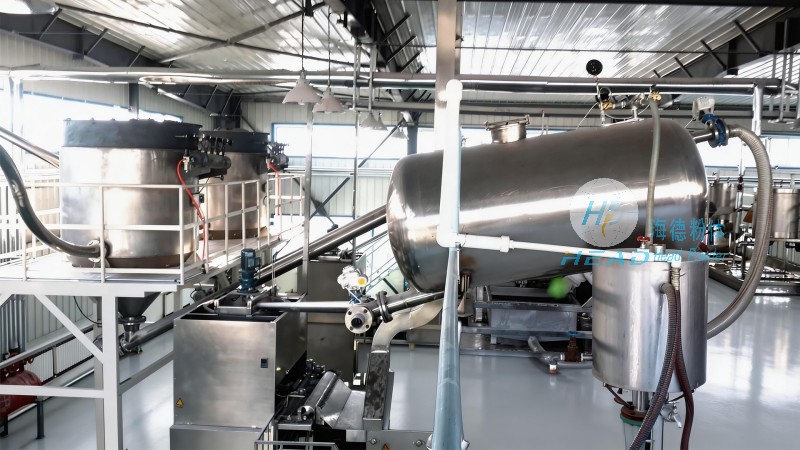
Another key consideration is the distance over which the material needs to be conveyed. High-pressure pneumatic conveying systems are particularly effective for long-distance transport, as they can maintain consistent flow rates over extended lengths. However, the required pressure and air volume increase with distance, which directly affects energy consumption. Engineers must balance the need for high efficiency with the cost of energy. For example, a system designed for a 500-meter horizontal transport might use a pressure of 7-10 bar, while a 2-kilometer vertical lift could require up to 15 bar. The design must also account for any vertical or horizontal changes in the pipeline, as these affect the overall pressure drop and system performance.
High-pressure pneumatic conveying systems operate at elevated pressures, typically ranging from 5 to 15 bar, compared to low-pressure systems. While this higher pressure enhances the conveying velocity and reduces the risk of material settling, it also increases energy consumption. The choice of compressor type—such as rotary screw or piston—plays a significant role in energy efficiency. Modern high-pressure compressors with variable speed drives can adjust output based on demand, optimizing energy use during periods of lower material flow. Additionally, the total cost of ownership (TCO) includes not only the initial investment but also ongoing energy costs and maintenance, making it essential to evaluate the long-term economic impact of the system's pressure specifications.

The reliability and ease of maintenance of the high-pressure pneumatic conveying system are often overlooked but critical factors. Components like valves, filters, and air receivers require regular inspection and replacement to prevent system downtime. The availability of spare parts and the expertise of the manufacturer or service provider are key considerations. For instance, a system with modular components allows for quicker repairs, reducing production interruptions. Furthermore, the total cost of ownership includes not only the initial purchase price but also the cost of maintenance, energy, and potential upgrades. A well-designed system with high-quality components from reputable manufacturers like Head powder can reduce long-term costs and ensure consistent performance over years of operation.

Choosing the right high-pressure pneumatic conveying system is a strategic decision that impacts operational efficiency and cost. By carefully evaluating material characteristics, transport requirements, pressure levels, and maintenance needs, businesses can select a system that meets their specific needs. At Head powder, we specialize in providing customized high-pressure pneumatic conveying solutions tailored to diverse industrial applications. Our team of experts works closely with clients to assess their material handling challenges and design systems that optimize performance while minimizing operational costs. Contact us today to learn more about how our high-pressure pneumatic conveying systems can enhance your material transport processes.

 Shandong Haide Powder Engineering Co., Ltd
 156-6277-7102(Manager Zhang)
  0531-83386006
  No. 1 Shanggao Industrial Park, Zhangqiu District, Jinan City, Shandong Province
 telephone
top