Beer lees, a byproduct of the brewing process, require efficient handling to optimize production efficiency and reduce waste. Choosing the right beer lees conveyor is crucial for maintaining smooth operations and minimizing operational costs. This article explores key considerations to help breweries select the most suitable conveyor system for their specific needs.
The first step is to assess your production scale and processing volume. For small to medium breweries, a conveyor with a moderate capacity (e.g., 1-5 tons per hour) is often sufficient. However, large-scale operations may require high-capacity systems (up to 20+ tons per hour) to handle the volume efficiently. Material characteristics also play a crucial role. Beer lees are typically wet, sticky, and have a high moisture content, which can affect the choice of conveyor type. For instance, sticky lees might require a conveyor with a smooth surface or special coating to prevent blockages.

Conveyor capacity is a primary performance indicator, measured in tons per hour (t/h). It must match the brewery's output to avoid bottlenecks. Energy consumption is another key factor; energy-efficient models can reduce operational costs over time. Durability and corrosion resistance are essential, as beer lees can be acidic and corrosive. Stainless steel or corrosion-resistant materials are preferred for the conveyor frame and components. Additionally, ease of maintenance is important—conveyors with modular designs allow for quick cleaning and part replacement.
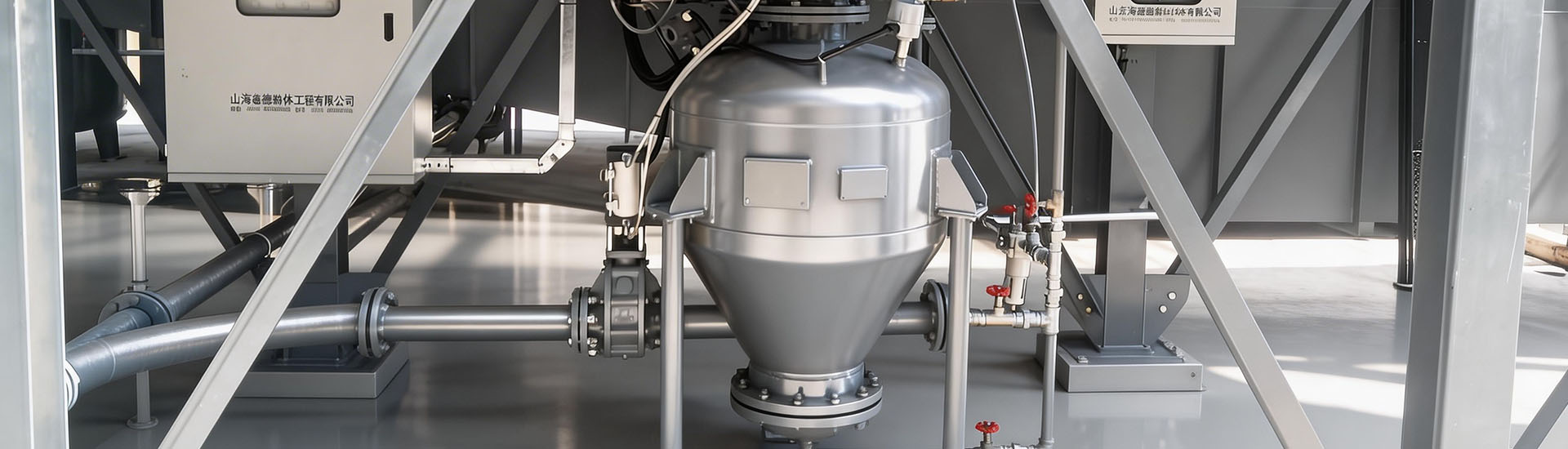
Belt conveyors are widely used for long-distance transport of large volumes of beer lees. They are suitable for horizontal and slight incline applications, with the ability to handle heavy loads without significant wear. Screw conveyors (auger conveyors) are ideal for short-distance transport of granular or powder-like lees. They are compact and can operate vertically or horizontally, making them suitable for space-constrained breweries. However, they may not be as effective for very wet or sticky lees due to potential blockages. Pneumatic conveying systems use air to transport lees, which is beneficial for handling fine, dry particles. These systems are dust-free and can transport materials over longer distances, but they are generally more expensive and require higher air pressure.

Initial investment costs vary significantly between conveyor types. Belt conveyors are often the most cost-effective option for large-scale operations, while screw conveyors are more economical for smaller setups. However, the total cost of ownership (TCO) should include maintenance and energy expenses. Long-term operational efficiency and reliability are critical. A well-designed conveyor reduces downtime and maintenance frequency, leading to lower overall costs. For example, a conveyor with a robust drive system and durable components will have a longer service life, minimizing replacement costs.

Choosing the right beer lees conveyor requires a comprehensive evaluation of production scale, material properties, budget constraints, and long-term operational goals. Head powder, as a leading manufacturer of beer lees conveying solutions, offers tailored equipment and expert advice to help breweries optimize their lees handling processes. Contact us today to learn more about our high-quality conveyor systems and how they can enhance your brewery's productivity.

 Shandong Haide Powder Engineering Co., Ltd
 156-6277-7102(Manager Zhang)
  0531-83386006
  No. 1 Shanggao Industrial Park, Zhangqiu District, Jinan City, Shandong Province
 telephone
top