News
聚焦海德风采动态,分享行业技术资讯Rare earths, as strategic industrial resources, require efficient and safe transportation systems for industrial production. Among various conveying methods, pneumatic conveying stands out with its advantages of dust-free operation, high automation, and flexibility. However, with diverse options available, selecting the right rare earth pneumatic conveying system is a critical decision for enterprises. This article systematically analyzes the selection strategies for rare earth pneumatic conveying, helping businesses enhance production efficiency and operational safety.
Before choosing a rare earth pneumatic conveying system, a thorough analysis of material characteristics is essential. The physical properties of rare earth powders, such as particle size, moisture content, density, and flowability, directly impact the system's design. For instance, fine powders with high moisture may require specialized equipment to prevent caking or blockages. Additionally, the required conveying distance and flow rate are crucial factors. Long-distance, high-volume applications often demand positive-pressure systems, while short-distance, low-volume tasks may benefit from negative-pressure or vacuum systems. Environmental and safety requirements, including dust explosion prevention and compliance with industrial standards, must also be considered. A well-designed system ensures optimal performance and meets regulatory requirements.

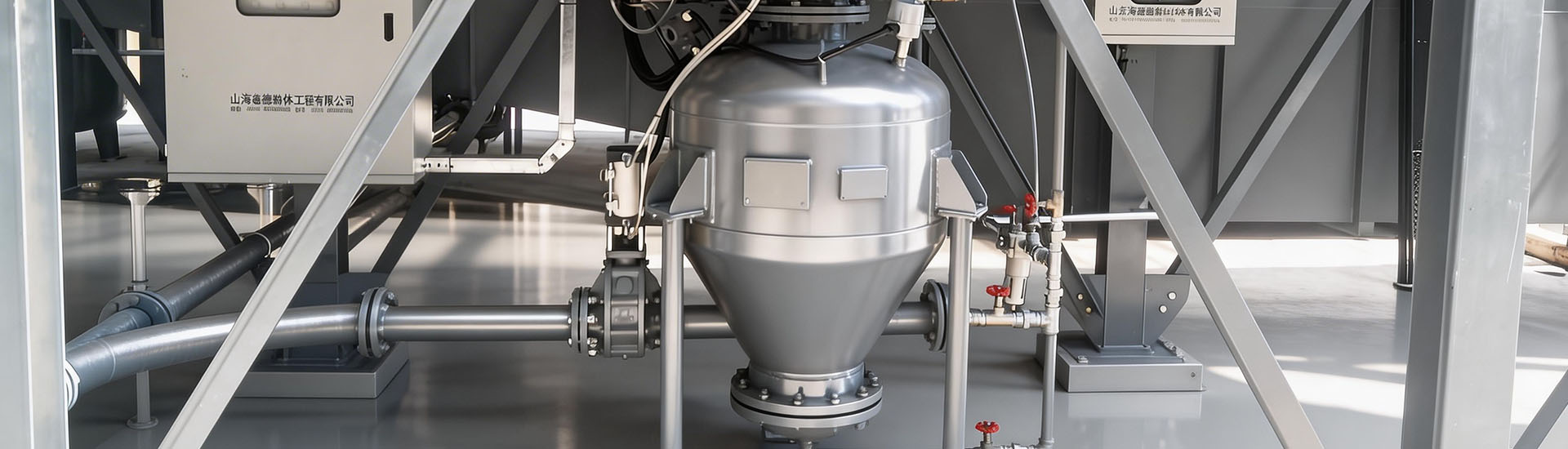
The choice of equipment, including the type of pneumatic conveying system (positive or negative pressure) and the pump (rotary lobe blower or centrifugal fan), is a key decision. Positive-pressure systems, which blow air into the system, are suitable for long-distance, high-volume conveying, as they maintain consistent pressure and flow. Negative-pressure systems, which draw material into the system, are ideal for short-distance, low-volume applications, such as transferring small batches of rare earth powders. The pump's performance, such as pressure and airflow capacity, must match the system's requirements. Rotary lobe blowers are preferred for high-pressure applications due to their durability and ability to handle abrasive materials, while centrifugal fans are suitable for low-pressure, low-noise operations. The material of the conveying pipes—stainless steel for corrosion resistance or plastic for cost-effectiveness—also plays a role in the selection process. Proper equipment selection ensures the system operates efficiently and reliably.
Real-world examples highlight the importance of tailored solutions. For instance, a leading rare earth processing plant partnered with Haidi to develop a customized pneumatic conveying system. By analyzing the plant's specific material flow and production scale, Haidi designed a system that increased material transfer efficiency by 30% and reduced dust pollution by 95%. This case demonstrates that a one-size-fits-all approach is insufficient; a system must be customized to meet unique operational needs. Additionally, integrating the rare earth pneumatic conveying system with other production processes, such as weighing and packaging, can further enhance overall efficiency. Customization ensures the system aligns with the enterprise's long-term goals and adapts to future production changes.

Regular maintenance and optimization are vital to maintain the performance of rare earth pneumatic conveying systems. Routine checks of the pump, filters, and pipelines help identify and resolve issues early, preventing system downtime. Cleaning the conveying pipes and filters regularly prevents material buildup, which can reduce airflow and increase energy consumption. Adjusting the system parameters, such as air pressure and flow rate, based on real-time production data can optimize performance and reduce energy costs. Investing in advanced monitoring systems allows for predictive maintenance, extending the lifespan of equipment and minimizing repair costs. By prioritizing maintenance and optimization, enterprises can ensure the long-term reliability and efficiency of their rare earth pneumatic conveying systems.

Choosing the right rare earth pneumatic conveying system is a strategic decision that directly impacts production efficiency and operational safety. Haidi, as a leading provider in the industry, offers comprehensive services from system design and equipment selection to installation and after-sales support. By understanding the key factors discussed above and partnering with experienced professionals, enterprises can select a system that meets their specific needs and drives long-term success. If you are facing challenges in rare earth material handling, we invite you to contact Haidi for professional consultation and customized solutions, ensuring your production is more efficient and safer.

 Shandong Haide Powder Engineering Co., Ltd
 156-6277-7102(Manager Zhang)
  0531-83386006
  No. 1 Shanggao Industrial Park, Zhangqiu District, Jinan City, Shandong Province
 telephone
top