News
聚焦海德风采动态,分享行业技术资讯When it comes to handling calcite material, the selection of an appropriate conveying system equipment is crucial for ensuring efficiency, reliability, and cost-effectiveness in industrial operations. The process involves a systematic approach that considers various factors such as material properties, production capacity, and operational environment. This article provides a detailed overview of the general steps involved in selecting the right calcite material conveying system equipment.
Before diving into equipment selection, it's essential to conduct a thorough needs analysis based on the specific characteristics of calcite material. Calcite, a common calcium carbonate mineral, often presents unique challenges in terms of particle size, moisture content, and flowability. For instance, if the calcite is in a fine powder form, it may require specialized equipment to prevent dust generation and ensure smooth transport. Understanding these properties helps in identifying the most suitable conveying methods and equipment types.

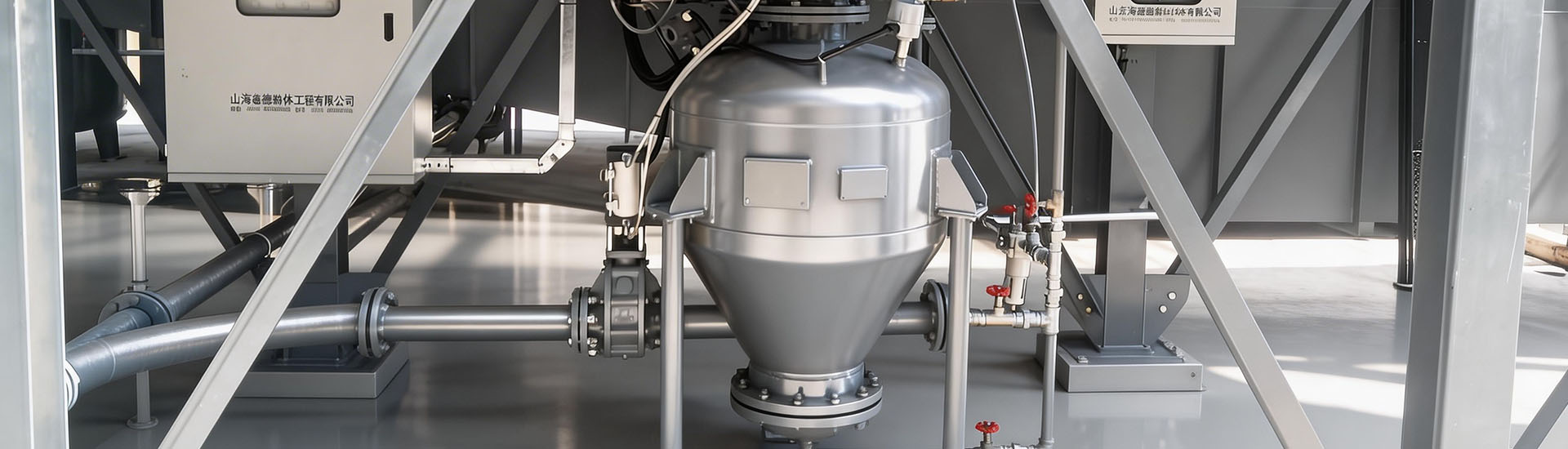
Head powder specializes in providing tailored calcite material conveying system equipment. The core equipment selection typically involves choosing between different types such as belt conveyors, screw conveyors, and pneumatic conveying systems. Belt conveyors are ideal for bulk calcite handling over long distances, offering high capacity and low maintenance. Screw conveyors, on the other hand, are suitable for horizontal or slight incline transport, especially when the material is in a semi-solid or sticky form. Pneumatic conveying systems are preferred for fine calcite powders, as they can handle high volumes with minimal dust and noise. Each type has its advantages and limitations, and the choice depends on the specific operational requirements.
In addition to the core conveying equipment, auxiliary devices play a vital role in optimizing the calcite material conveying system. For example, a calcite material conveying system equipment may include a crusher or grinder to reduce particle size if the material is too large. A classifier or screener can be used to separate different particle sizes, ensuring consistent quality. Furthermore, dust collection systems are essential to maintain a clean and safe working environment, especially when handling fine calcite powders. These auxiliary components are integrated into the overall system to enhance efficiency and compliance with safety regulations.

The final step in the selection process is system integration and optimization. This involves coordinating the calcite material conveying system equipment with other parts of the production line, such as storage silos, processing units, and packaging systems. Proper integration ensures smooth material flow and minimizes downtime. Head powder offers comprehensive solutions that include not only the conveying equipment but also the necessary control systems and monitoring tools. By optimizing the entire system, businesses can achieve higher productivity, lower energy consumption, and improved overall performance.

Choosing the right calcite material conveying system equipment is a critical decision that can significantly impact operational efficiency and cost. At Head powder, we understand the unique challenges of handling calcite material and provide expert guidance and high-quality equipment tailored to your specific needs. Whether you're looking to upgrade an existing system or design a new one, our team of professionals can help you navigate the selection process and ensure the best possible outcome. Contact us today to learn more about our calcite material conveying system equipment and how we can support your industrial operations.

 Shandong Haide Powder Engineering Co., Ltd
 156-6277-7102(Manager Zhang)
  0531-83386006
  No. 1 Shanggao Industrial Park, Zhangqiu District, Jinan City, Shandong Province
 telephone
top