News
聚焦海德风采动态,分享行业技术资讯Desulfurized gypsum, a byproduct of flue gas desulfurization in power plants, plays a crucial role in the construction and environmental sectors. The efficient transportation of this material directly impacts production efficiency and cost management. For industrial users, selecting the right transportation method is a critical decision that requires balancing factors like cost, speed, and safety. Head powder, as a leading manufacturer in the field, offers insights into how to make informed choices for desulfurized gypsum material conveying.
When selecting a transportation method for desulfurized gypsum materials, several key factors must be considered. The physical properties of gypsum, such as its bulk density and tendency to form lumps, influence the choice of equipment. For instance, road transport offers flexibility, suitable for short distances or when clients are scattered. In contrast, rail transport is ideal for long-distance, large-scale shipments, reducing unit costs through economies of scale. Water transport, while effective near coastal areas or large storage facilities, is limited by geographical constraints.

Each transportation method has distinct advantages and applications. Road transport is commonly used for local deliveries, especially when clients are located near the production site. It allows for quick response times and flexible scheduling, minimizing downtime. Rail transport, on the other hand, is preferred for bulk shipments over long distances, such as from a power plant to a cement or gypsum board manufacturer. The use of specialized railcars, designed to handle bulk materials, ensures stable and secure transport. Water transport, though less common, is advantageous for large volumes moving between ports or industrial zones, leveraging the low cost of waterway logistics.
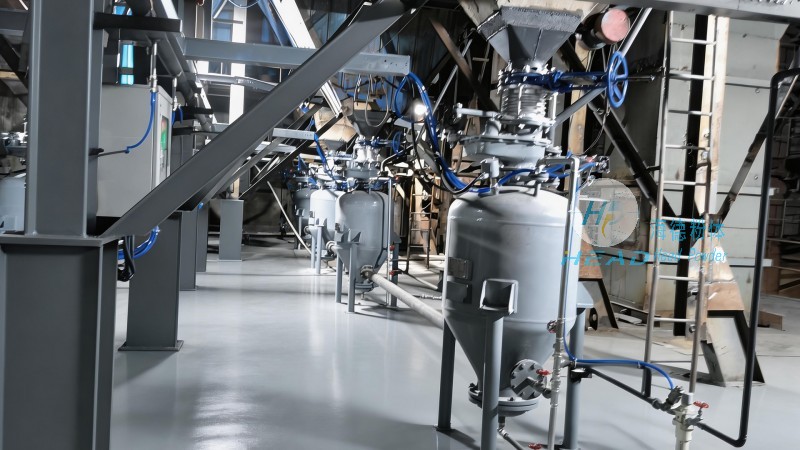
Ensuring safety and environmental compliance is paramount in desulfurized gypsum material transportation. Gypsum dust can be a health hazard and an environmental concern if not properly contained. Therefore, selecting transport vehicles with robust sealing systems—such as covered trucks or railcars—is essential. Additionally, route planning should avoid densely populated areas or sensitive ecosystems to minimize the risk of accidents or pollution. Head powder recommends regular maintenance of transport equipment to prevent leaks or spills, further enhancing safety and sustainability.

Head powder understands that each industrial client has unique needs when it comes to desulfurized gypsum material conveying. Our team of experts can provide customized transportation solutions tailored to your specific requirements, including the distance to the client, the volume of gypsum, and the distribution of your customers. By optimizing the transport method, we help our clients reduce costs, improve efficiency, and ensure compliance with environmental regulations. For a free consultation and a personalized transport plan, contact Head powder today and let us help you choose the best way to move your desulfurized gypsum materials.

 Shandong Haide Powder Engineering Co., Ltd
 156-6277-7102(Manager Zhang)
  0531-83386006
  No. 1 Shanggao Industrial Park, Zhangqiu District, Jinan City, Shandong Province
 telephone
top