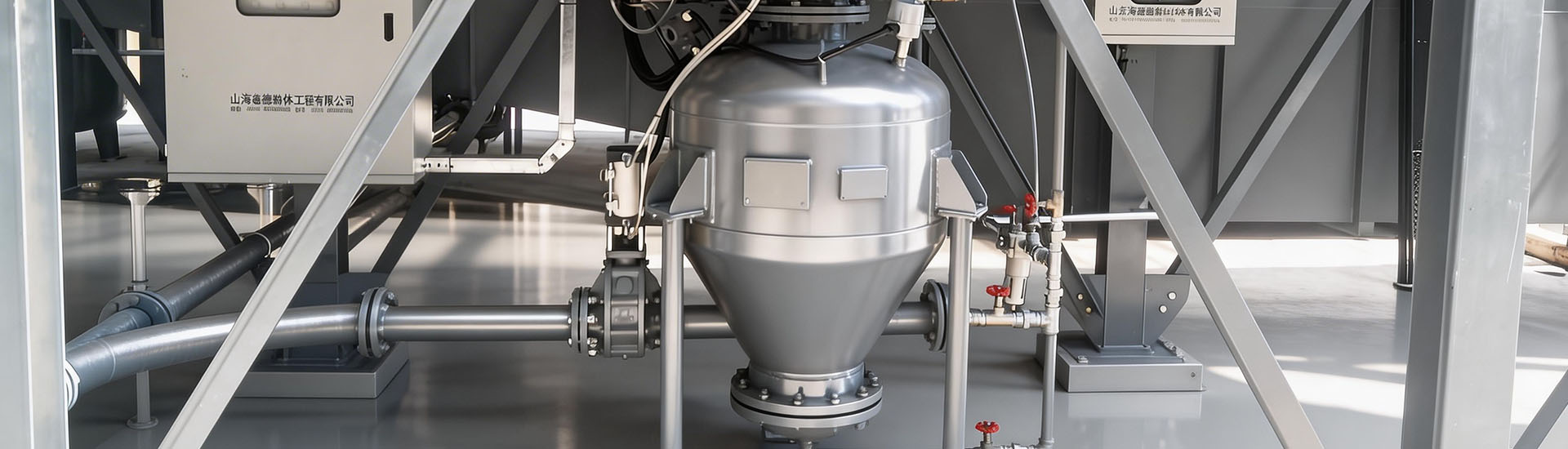
For manufacturers of low-noise and high-temperature resistant roots blowers, the success of their products hinges on a comprehensive understanding of key factors that drive performance, reliability, and user satisfaction. In today's competitive industrial landscape, where efficiency and environmental compliance are paramount, the design and manufacturing of these critical equipment pieces require meticulous attention to detail. From material selection to advanced noise reduction technologies, each element plays a pivotal role in ensuring that the final product meets the stringent demands of modern applications.
The choice of materials is arguably the most critical factor in developing a roots blower that can withstand high temperatures and operate quietly. High-grade alloys, such as stainless steel or specialized heat-resistant steels, are commonly used for components like the rotor and housing. These materials not only enhance thermal stability but also improve resistance to corrosion and wear, which are common issues in high-temperature environments. Additionally, the use of advanced coatings, like ceramic or PTFE, can further extend the service life of the blower by reducing friction and heat transfer. Manufacturers must carefully evaluate the thermal expansion coefficients of materials to prevent mechanical stress and ensure dimensional stability under extreme temperature variations.

Controlling noise output is a key differentiator for modern roots blowers, especially in applications where ambient sound levels are tightly regulated. Advanced engineering techniques, such as aerodynamic design of the housing and rotor, help minimize air turbulence and reduce noise generation. Additionally, the integration of sound-absorbing materials, like acoustic panels or foam, around the blower casing can further dampen sound waves. Some manufacturers also employ active noise cancellation systems, which use sensors to detect and counteract specific frequency components of the noise. By combining these passive and active noise control methods, manufacturers can achieve significant reductions in decibel levels while maintaining the blower's performance characteristics.
High-temperature resistance is directly linked to effective thermal management. Roots blowers generate significant heat during operation, and inadequate heat dissipation can lead to component failure or reduced efficiency. Manufacturers often incorporate heat exchangers or cooling fins into the design to dissipate excess heat. In some cases, the use of liquid cooling systems or air-cooled radiators is necessary for applications involving continuous high-temperature operation. The design of the blower's internal airflow path is also crucial, as it ensures that heat is evenly distributed and efficiently removed from critical components. Proper thermal management not only extends the blower's operational life but also maintains consistent performance under varying temperature conditions.

Efficiency is a critical factor for both economic and environmental reasons. Manufacturers focus on optimizing the blower's internal geometry to minimize energy consumption. This includes refining the shape of the rotors and the clearance between them and the housing to reduce air leakage. Advanced computational fluid dynamics (CFD) simulations are often used to model airflow patterns and identify areas for improvement. Additionally, the use of high-efficiency bearings and seals reduces friction losses, further enhancing overall efficiency. By prioritizing efficiency, manufacturers can offer products that not only operate quietly and at high temperatures but also provide cost savings for end-users through lower energy bills and reduced maintenance costs.

At Head Powder, we understand that the success of a roots blower lies in the meticulous consideration of these and other critical factors. Our commitment to innovation and quality ensures that our low-noise, high-temperature resistant roots blowers are engineered to meet the most demanding industrial requirements. Whether you need a custom solution for your specific application or a standard model with enhanced performance, we invite you to explore our product line and discover how our expertise can deliver reliable, efficient, and environmentally friendly solutions. Contact us today to learn more about how our roots blowers can enhance your operations.

 Shandong Haide Powder Engineering Co., Ltd
 156-6277-7102(Manager Zhang)
  0531-83386006
  No. 1 Shanggao Industrial Park, Zhangqiu District, Jinan City, Shandong Province
 telephone
top