News
聚焦海德风采动态,分享行业技术资讯Glass particles are integral to countless industrial applications, from glass manufacturing and construction to automotive and electronics. However, the efficient and safe transportation of these fine, often abrasive materials presents unique challenges. The choice of a pneumatic conveying system is critical, as it directly impacts production efficiency, product integrity, and operational costs. This article aims to demystify the process, providing a structured approach to selecting the right system for your specific needs.
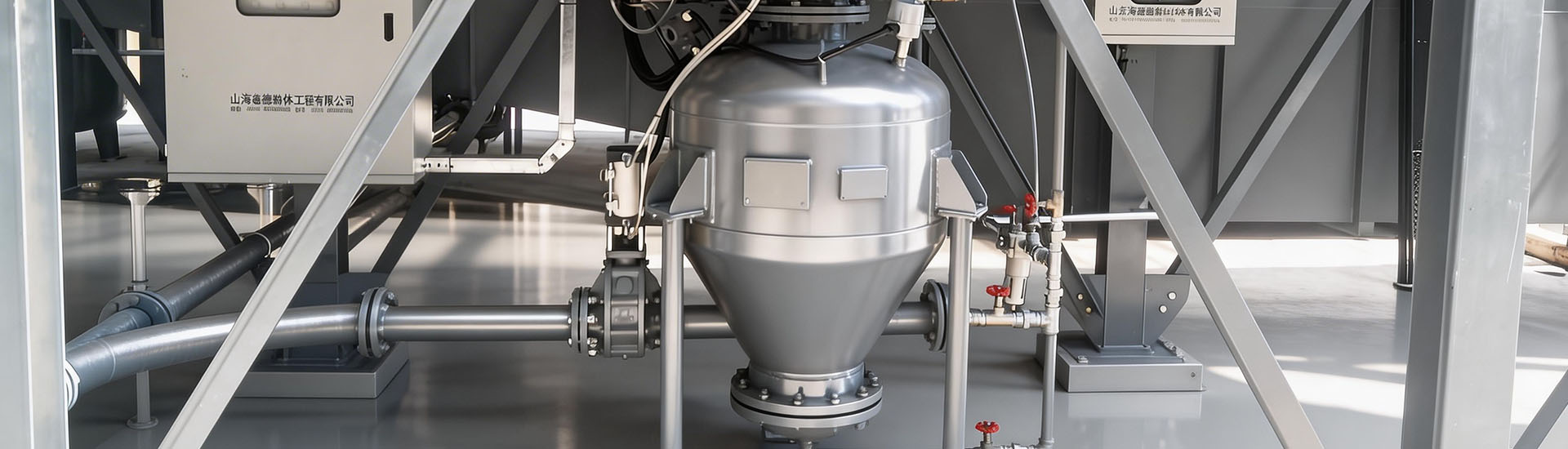
Pneumatic conveying leverages air or gas to transport solid materials through a pipeline. For glass particles, this method offers advantages such as dust-free operation, reduced material degradation, and the ability to handle fragile or abrasive components. The two primary types—positive pressure (blow-through) and negative pressure (suction)—each have distinct characteristics that influence system design and performance. Positive pressure systems are ideal for long-distance or high-volume transport, while negative pressure is better suited for short distances or when handling fine powders. Head powder specializes in designing and implementing these systems, ensuring optimal performance for glass particle applications.

The first step in choosing a pneumatic conveying system is assessing the physical properties of the glass particles. Factors like particle size, density, moisture content, and abrasiveness dictate the system's design. For instance, fine glass powders may require a high-pressure system to prevent clogging, whereas larger, heavier particles might benefit from a lower-pressure, lower-speed system to minimize wear on components. Additionally, the required transport distance and throughput rate are crucial. Head powder's expertise in customizing systems to match these parameters ensures that the pneumatic conveying of glass particles aligns with your production goals.
System design involves careful consideration of pipeline layout, material selection, and integration with existing equipment. The choice of pipeline material—such as stainless steel, plastic, or aluminum—depends on the corrosive nature of the glass particles and the operating environment. For example, stainless steel is preferred for high-temperature or corrosive applications, while plastic is suitable for non-corrosive, low-cost solutions. The system must also be integrated seamlessly with other processes, such as storage, mixing, or packaging, to maintain a smooth workflow. Head powder's expertise in system integration ensures that the pneumatic conveying of glass particles operates efficiently and reliably.

Long-term efficiency and reliability depend on proper maintenance and system monitoring. Regular cleaning of pipelines and filters is essential to prevent clogging and maintain air flow. Additionally, monitoring pressure differentials and air flow rates helps identify potential issues before they escalate. Head powder offers comprehensive maintenance services and spare parts to ensure that your pneumatic conveying system operates at peak efficiency. By investing in proper maintenance, manufacturers can extend the lifespan of their equipment and reduce downtime.

Choosing the right pneumatic conveying system for glass particles requires a deep understanding of material properties, system design, and operational requirements. At Head powder, we combine industry expertise with cutting-edge technology to provide tailored solutions that meet your specific needs. Whether you're looking to improve efficiency, reduce costs, or enhance product quality, our team of experts is ready to assist. Contact us today to learn more about our pneumatic conveying of glass particles systems and how we can help optimize your production process.

 Shandong Haide Powder Engineering Co., Ltd
 156-6277-7102(Manager Zhang)
  0531-83386006
  No. 1 Shanggao Industrial Park, Zhangqiu District, Jinan City, Shandong Province
 telephone
top