News
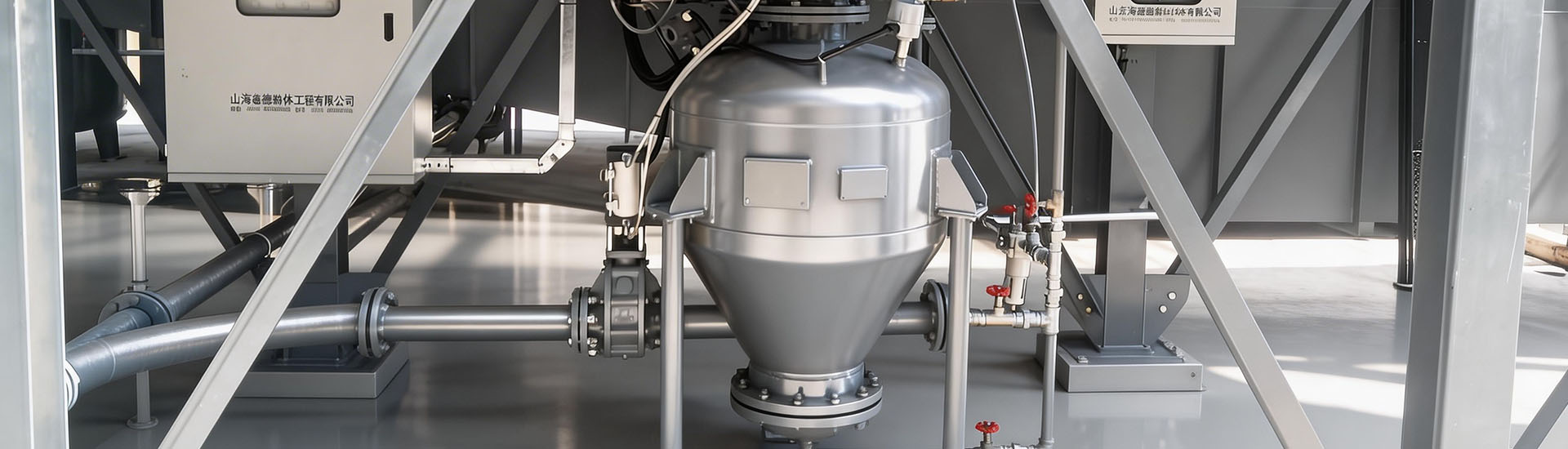
聚焦海德风采动态,分享行业技术资讯When it comes to optimizing material handling in industrial settings, the choice of an automatic and continuous material pneumatic conveying system can significantly impact operational efficiency and cost-effectiveness. As industries evolve to demand higher throughput and more reliable material transport, understanding how to select the right system has become a critical decision for professionals in manufacturing and processing.
One of the first considerations in selecting an automatic and continuous material pneumatic conveying system is the type of system—whether it's a positive pressure or negative pressure design. Positive pressure systems, which force air and material through the line, are ideal for applications involving flammable or explosive materials, as they minimize the risk of dust accumulation. Conversely, negative pressure systems, which draw material into the line, are commonly used for dust collection and handling of fine powders. The choice between these two depends on the specific characteristics of the material being conveyed and the safety requirements of the facility.

The physical and chemical properties of the material play a pivotal role in determining the most suitable automatic and continuous material pneumatic conveying system. For instance, materials with high moisture content or sticky characteristics may require special handling mechanisms, such as heated or vibrated conveying lines, to prevent blockages. Similarly, the particle size distribution and density of the material affect the air velocity and pressure needed for effective transport. By thoroughly analyzing these properties, manufacturers can avoid system failures and ensure consistent performance. Head powder, as a leading manufacturer, offers customized solutions tailored to diverse material types.
Key performance parameters, including the required conveying distance, flow rate, and air pressure, are essential in selecting an appropriate automatic and continuous material pneumatic conveying system. Engineers often use empirical formulas or industry standards to calculate these values based on the material's properties and the system's design. For example, the air velocity must be sufficient to overcome the material's drag and gravity, typically ranging from 20 to 30 meters per second for most powders. Additionally, the system's capacity should align with the production rate to avoid bottlenecks. Head powder provides detailed technical support to help clients determine these parameters accurately.

The ease of installation and the long-term maintenance requirements are crucial factors in the selection process. Automatic and continuous material pneumatic conveying systems should be designed for minimal downtime and easy access for servicing. Factors such as space constraints, existing infrastructure, and local regulations must be taken into account during the planning phase. Regular maintenance, including filter changes and component inspections, is vital to maintain the system's efficiency. Head powder's team of experts can assist with on-site assessments and maintenance plans to ensure optimal system performance over time.

Choosing the right automatic and continuous material pneumatic conveying system is a strategic decision that can enhance productivity and reduce operational costs. At Head powder, we specialize in providing high-quality, customized solutions tailored to the unique needs of our clients. Whether you're dealing with bulk materials or fine powders, our team of engineers is ready to guide you through the selection process. Contact us today to learn more about our automatic and continuous material pneumatic conveying systems and how they can transform your material handling operations.

 Shandong Haide Powder Engineering Co., Ltd
 156-6277-7102(Manager Zhang)
  0531-83386006
  No. 1 Shanggao Industrial Park, Zhangqiu District, Jinan City, Shandong Province
 telephone
top