News
聚焦海德风采动态,分享行业技术资讯In the modern food processing industry, handling oat flour materials efficiently and safely is a critical challenge. Traditional methods like manual handling or bucket elevators often lead to dust, contamination, and operational inefficiencies. This is where pneumatic conveying systems, specifically designed for oat flour material, emerge as a superior solution. They offer a clean, continuous, and low-maintenance way to transport these delicate and high-value materials, ensuring product integrity while optimizing production lines.
When selecting a pneumatic conveying system for oat flour materials, several key factors must be considered. First, the material's physical properties—such as moisture content, particle size, and flowability—are crucial. Oat flour is typically fine and can be prone to caking, so systems with proper air velocity and duct design are essential to prevent blockages. Second, the required conveying distance and volume determine the system's capacity and pressure needs. For instance, short-distance transport might use low-pressure systems, while long-distance or high-volume needs may require high-pressure or positive displacement systems. Third, integration with existing production lines is vital. A good system should be compatible with current equipment, minimizing downtime and installation costs.
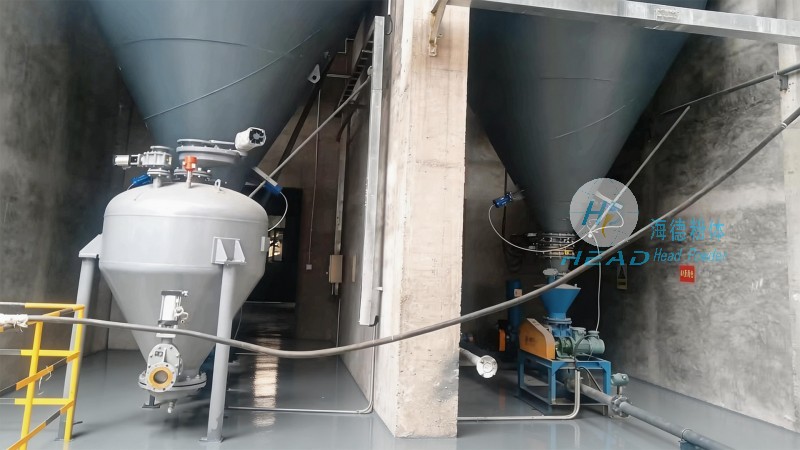
Beyond basic selection, evaluating performance metrics is essential to ensure the system meets operational goals. Key metrics include conveying efficiency, which measures how much material is successfully transported versus lost to the system. For oat flour, high efficiency is critical to avoid product waste. Another metric is pressure drop, as excessive pressure loss indicates inefficiency or blockages. Additionally, energy consumption and maintenance frequency are important for long-term cost-effectiveness. Head powder's systems often feature advanced sensors and controls that monitor these metrics in real-time, providing data-driven insights to optimize performance.
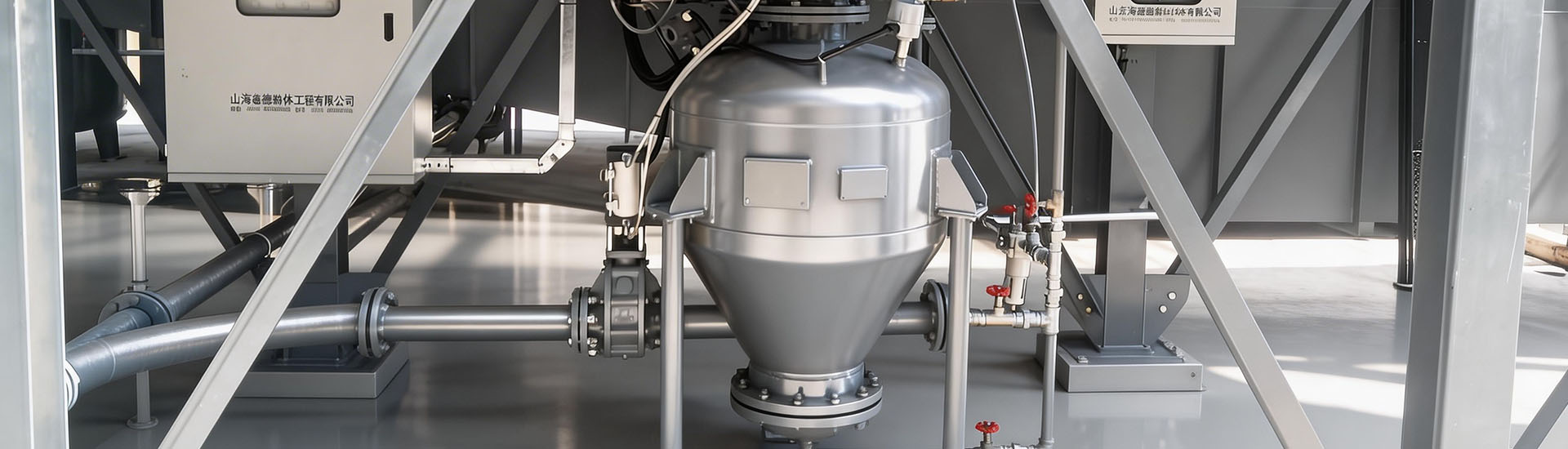
There are primarily two types of pneumatic conveying systems used for oat flour materials: dilute-phase and dense-phase. Dilute-phase systems use low air velocity to transport material in a suspended state, suitable for short to medium distances. They are cost-effective and easy to install but may not handle fine powders as well as dense-phase systems. Dense-phase systems, on the other hand, use higher air velocity and pressure to push material in a dense stream, ideal for long-distance or high-volume transport. They are more expensive but offer better control over material flow and reduce the risk of dust emissions. Head powder specializes in both, allowing customers to choose based on their specific needs.

Head powder, a leading manufacturer in pneumatic conveying technology, offers tailored solutions for oat flour material handling. Their systems are designed with the unique characteristics of oat flour in mind, ensuring optimal performance. For example, their custom-designed ducts and airlocks prevent material buildup and maintain consistent flow. Moreover, Head powder provides comprehensive support, including engineering consultation, installation, and after-sales service. This ensures that customers not only get a high-quality pneumatic conveying system but also a reliable partner for their production needs.

If you're looking to upgrade your oat flour material handling process and want to learn more about how Head powder's pneumatic conveying systems can benefit your business, contact us today. Our experts are ready to help you choose the right system for your specific requirements.

 Shandong Haide Powder Engineering Co., Ltd
 156-6277-7102(Manager Zhang)
  0531-83386006
  No. 1 Shanggao Industrial Park, Zhangqiu District, Jinan City, Shandong Province
 telephone
top