News
聚焦海德风采动态,分享行业技术资讯In industrial processing, the efficiency of quartz powder material handling is crucial to the overall performance of production lines. Head powder specializes in providing efficient and reliable pneumatic conveying solutions for quartz powder materials. This article delves into the conventional process of pneumatic conveying, explaining the principles, key components, and practical steps involved in the system.
Pneumatic conveying, also known as air conveying, is a method of transporting solid materials like quartz powder using compressed air or other gases. The process relies on the momentum of the moving air to carry the particles through a pipeline. For quartz powder, which typically has a density of around 2.65 g/cm³ and particle sizes ranging from sub-micron to several millimeters, the choice of conveying system depends on factors such as material flow rate, distance, and environmental requirements. Head powder's expertise lies in optimizing the conveying parameters to ensure minimal degradation and maximum efficiency.

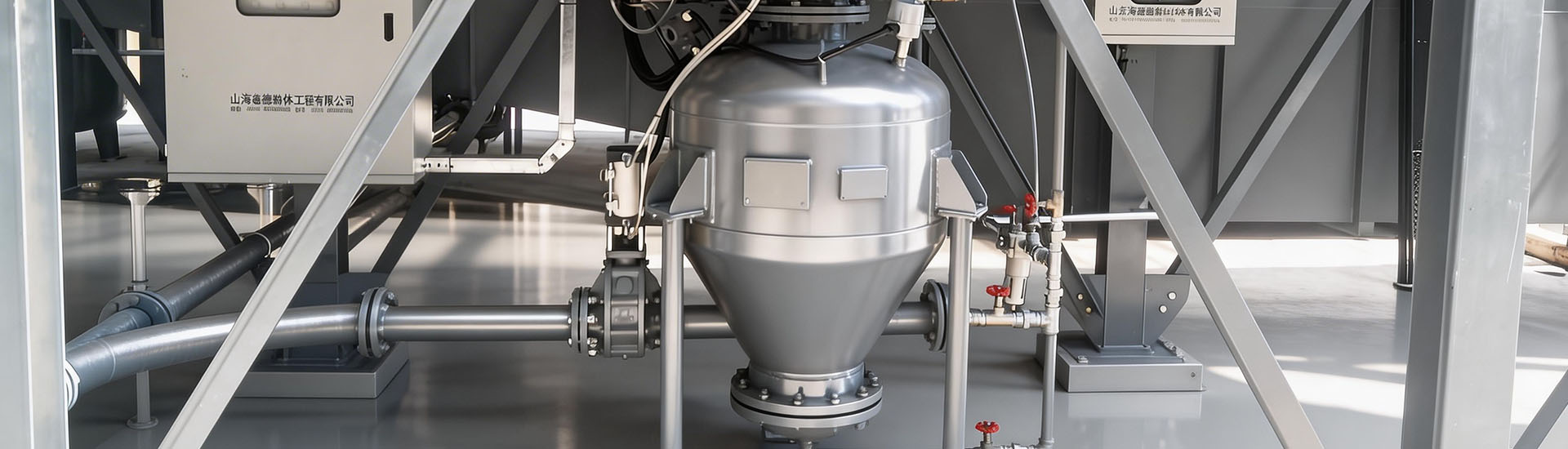
A typical pneumatic conveying system for quartz powder material includes several critical components. The feed hopper or feeder is responsible for controlling the flow rate of the quartz powder into the system, preventing blockages and ensuring a consistent feed. The conveying line, usually made of stainless steel or other corrosion-resistant materials, transports the powder from the feed point to the destination. The air source, such as a blower or compressor, provides the necessary pressure and volume of air to move the material. Finally, the separator or cyclone separates the quartz powder from the air stream, allowing the powder to be collected in a bin or silo while the air is either recirculated or discharged.
The implementation of a pneumatic conveying system for quartz powder material involves several systematic steps. First, the material's physical properties are analyzed to determine the appropriate conveying method (e.g., dilute-phase or dense-phase). Next, the system design is completed, including the selection of components and the layout of the pipeline. Installation and commissioning follow, where the system is tested for performance and adjusted as needed. The advantages of pneumatic conveying for quartz powder are significant: it eliminates mechanical wear, reduces the risk of contamination, and allows for long-distance transport without the need for intermediate storage. Additionally, the system can be integrated with other processing equipment, enhancing overall line efficiency.

Head powder, as a leading manufacturer of quartz powder material pneumatic conveying systems, offers tailored solutions to meet the specific needs of clients. Whether the application requires low-pressure dilute-phase conveying for short distances or high-pressure dense-phase for long-distance transport, our engineers work closely with customers to design and implement the optimal system. Our solutions are backed by rigorous testing and compliance with industry standards, ensuring reliability and durability. Clients can also benefit from our after-sales support, including maintenance services and technical assistance, to maximize the lifespan and performance of their conveying equipment.

For businesses looking to enhance their quartz powder material handling processes, Head powder provides comprehensive solutions that combine advanced technology with expert knowledge. By understanding the conventional pneumatic conveying process and leveraging our customized systems, you can achieve higher efficiency, lower costs, and improved product quality. Contact Head powder today to learn more about how our pneumatic conveying solutions can transform your operations.

 Shandong Haide Powder Engineering Co., Ltd
 156-6277-7102(Manager Zhang)
  0531-83386006
  No. 1 Shanggao Industrial Park, Zhangqiu District, Jinan City, Shandong Province
 telephone
top