News
聚焦海德风采动态,分享行业技术资讯When it comes to handling graphite crushed material, selecting the right conveying option is critical for efficiency and safety. The process involves evaluating multiple factors that impact the performance, reliability, and cost-effectiveness of the system. From material properties to equipment design, each element plays a vital role in ensuring smooth and uninterrupted operation.
The initial step in choosing a graphite crumb conveying solution is to assess the overall system design. This includes determining the layout of the conveying lines, the distance to be covered, and the number of bends or changes in elevation. Proper design minimizes pressure losses and ensures consistent material flow. For instance, using straight, smooth pipes with minimal fittings can reduce friction and prevent blockages, which are common issues with graphite particles.
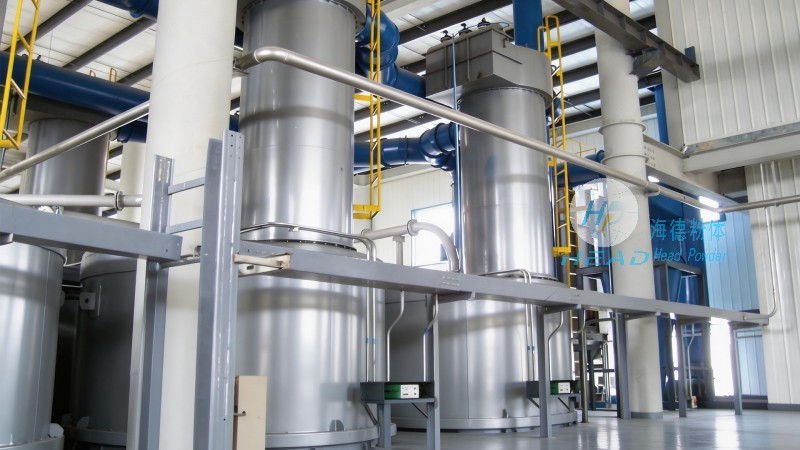
The characteristics of the graphite material itself are paramount. Key factors include particle size distribution, bulk density, and flowability. Coarser particles may require different conveying methods compared to fine powders. Additionally, graphite's tendency to stick to surfaces or form agglomerates can affect the choice of equipment, such as the use of pneumatic conveyors or mechanical systems with agitators. Understanding these properties helps in selecting the most suitable conveying technology.
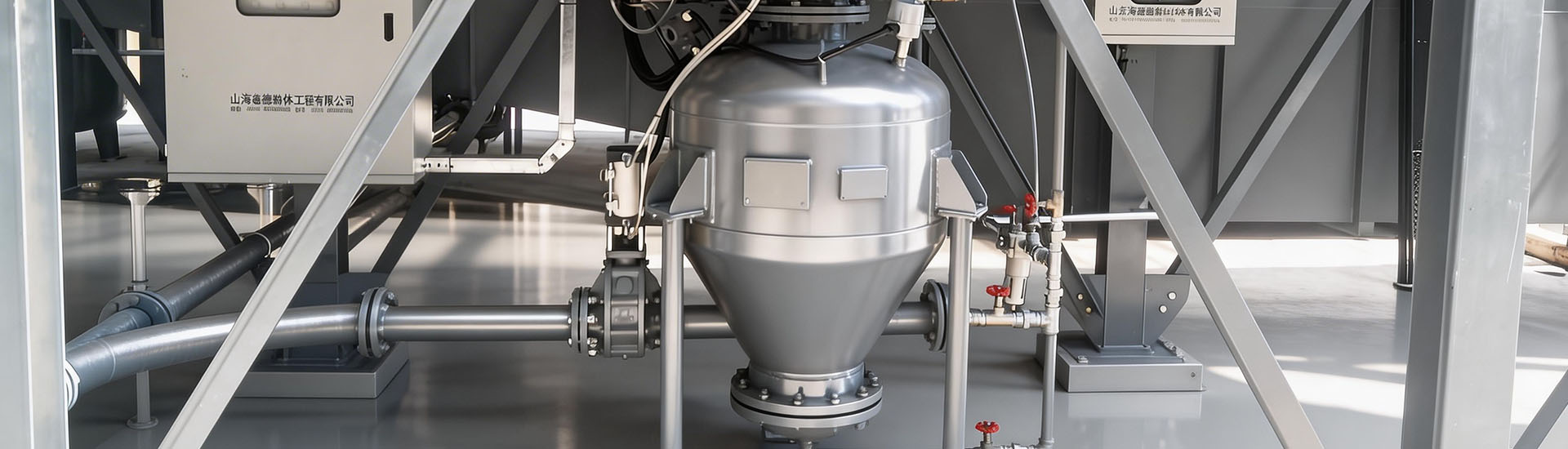
Choosing the right equipment is crucial for long-term performance. For example, pneumatic conveyors are ideal for fine graphite powders due to their ability to handle dust and prevent contamination. In contrast, mechanical conveyors like screw or belt conveyors are better suited for bulkier materials. Regular maintenance is also essential to prevent wear and tear, especially in systems handling abrasive materials like graphite. Head powder offers a range of equipment tailored to different material types and operational needs.

Graphite handling involves safety and environmental regulations that must be considered. Dust control measures, such as dust collection systems and explosion-proof designs, are critical to prevent hazards. Additionally, compliance with local environmental standards is necessary to minimize the impact on the surroundings. Implementing these measures not only ensures operational safety but also enhances the company's reputation and reduces legal risks.
Evaluating the total cost of ownership is a key factor in decision-making. This includes the initial investment in equipment, installation costs, and ongoing operational expenses like energy consumption and maintenance. While some systems may have higher upfront costs, they can offer long-term savings through improved efficiency and reduced downtime. Head powder provides comprehensive solutions that balance initial costs with long-term benefits, helping clients achieve optimal returns on their investment.

At Head powder, we understand the complexities of graphite crushed material conveying. Our team of experts can assist you in evaluating these factors and designing a customized solution that meets your specific requirements. Contact us today to learn more about our Graphite crushed material conveying systems and how we can enhance your operational efficiency.

 Shandong Haide Powder Engineering Co., Ltd
 156-6277-7102(Manager Zhang)
  0531-83386006
  No. 1 Shanggao Industrial Park, Zhangqiu District, Jinan City, Shandong Province
 telephone
top