News
聚焦海德风采动态,分享行业技术资讯When selecting a pneumatic conveying system for sodium fluorosilicate material, several critical factors must be carefully evaluated to ensure optimal performance and operational efficiency. The unique properties of sodium fluorosilicate, such as its density, moisture content, and particle size distribution, directly impact the design and configuration of the conveying equipment. A well-designed system not only enhances material handling efficiency but also minimizes downtime and maintenance costs, making it essential for industries that rely on consistent and reliable material transport.
For sodium fluorosilicate, which is often a fine powder with varying particle sizes, the system must accommodate its flowability and potential for agglomeration. The density and moisture content of the material affect the air velocity required for effective transport, while particle size distribution influences the choice between dilute or dense phase conveying. A thorough analysis of these characteristics helps in selecting the appropriate air pressure, pipeline diameter, and component materials, ensuring the system can handle the material without blockages or excessive energy consumption.
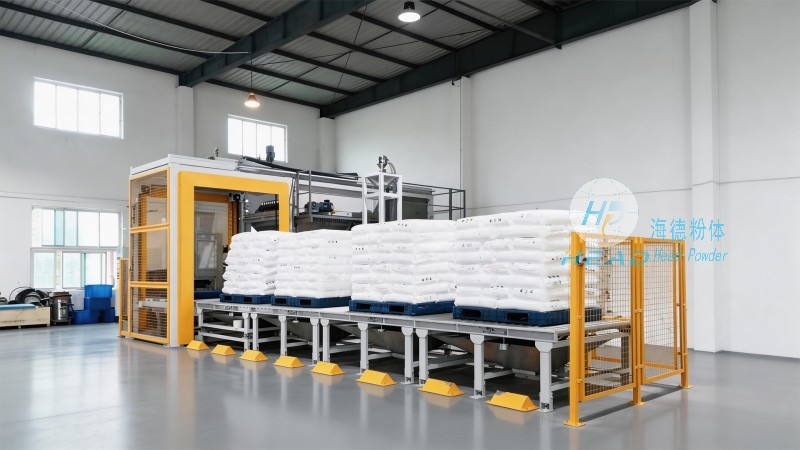
The conveying capacity of the system is directly linked to the required air flow rate and pressure. For sodium fluorosilicate, which may be transported over long distances or through complex layouts, the system must maintain consistent pressure to prevent material degradation or loss. Pressure control systems, such as rotary valves and airlocks, play a vital role in regulating the flow and preventing backflow. Additionally, the use of high-pressure or low-pressure conveying methods depends on the material's properties and the distance between the source and destination, making it crucial to match the system's capacity with the actual operational needs.
Maintenance-friendly design is a key consideration when selecting a pneumatic conveying system for sodium fluorosilicate. The system should incorporate easy-to-access components, such as filters and cyclones, to facilitate regular cleaning and maintenance. Reliability is equally important, as downtime can lead to production delays and increased costs. High-quality materials, like stainless steel or corrosion-resistant alloys, are often used in the construction of the system to withstand the chemical properties of sodium fluorosilicate and prevent corrosion over time. Regular maintenance schedules and spare parts availability further enhance the system's longevity and operational stability.
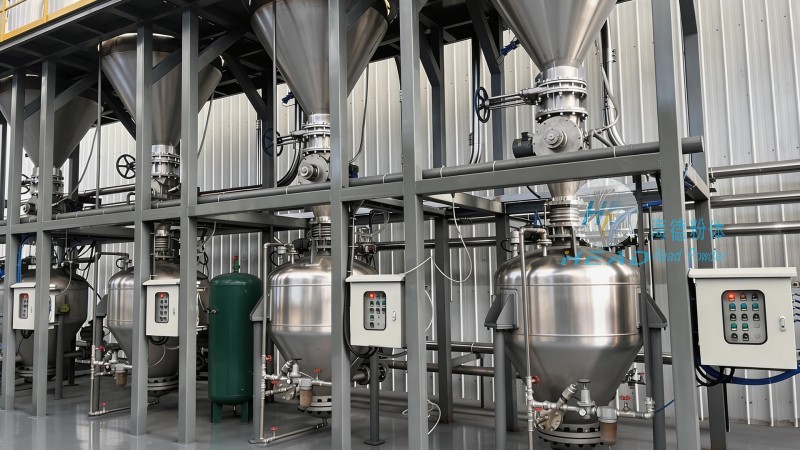
While initial investment costs are a factor, the long-term operational expenses must also be considered. The energy consumption of the system, influenced by air pressure and flow rate, directly impacts the overall cost. Efficient design, such as using energy-saving blowers and optimized pipeline layouts, can reduce energy costs significantly. Additionally, the system's durability and low maintenance requirements contribute to lower total cost of ownership. By evaluating both upfront and ongoing costs, businesses can make an informed decision that aligns with their budget and operational goals, ensuring a return on investment over the system's lifespan.

At Head powder, we understand the critical role of selecting the right pneumatic conveying system for sodium fluorosilicate applications. Our team of experts can provide tailored solutions, considering your specific material characteristics, operational requirements, and budget constraints. Whether you need a custom-designed system or a standard solution, we offer comprehensive support from design and installation to maintenance and after-sales service. Contact us today to learn more about how our pneumatic conveying systems can enhance your material handling efficiency and reduce operational costs.

 Shandong Haide Powder Engineering Co., Ltd
 156-6277-7102(Manager Zhang)
  0531-83386006
  No. 1 Shanggao Industrial Park, Zhangqiu District, Jinan City, Shandong Province
 telephone
top