News
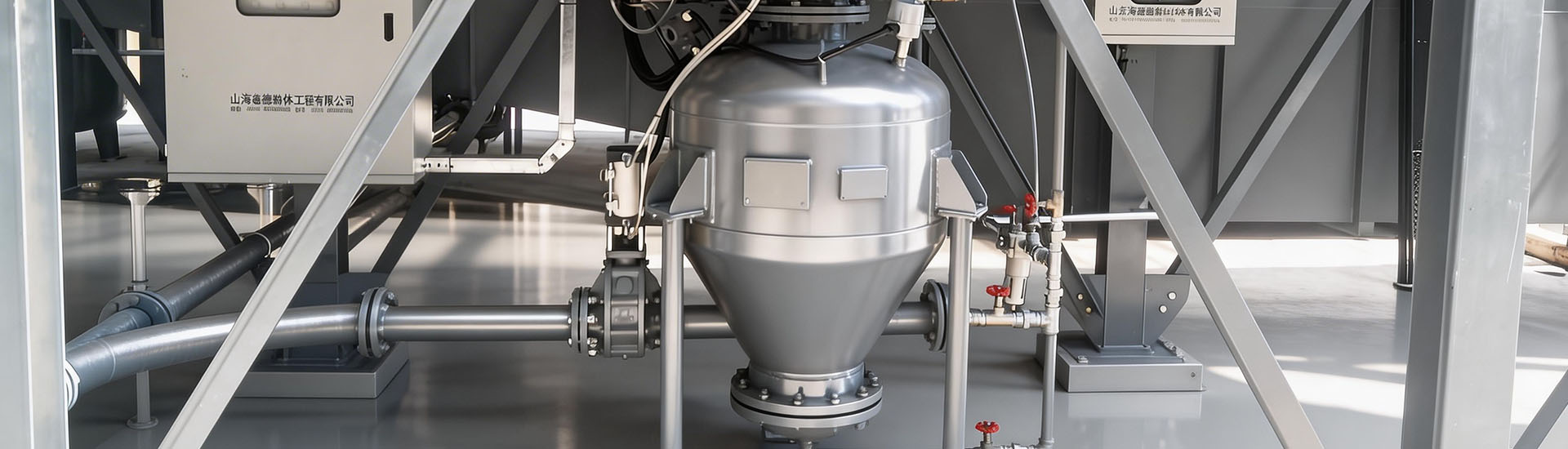
聚焦海德风采动态,分享行业技术资讯For manufacturers specializing in monosodium glutamate powder pneumatic conveying systems, understanding and optimizing key factors is crucial to ensure efficient, reliable, and cost-effective operations. The successful design and implementation of such systems directly impact production efficiency, product quality, and overall business competitiveness in the food additives industry. As a critical component in flavor enhancement, monosodium glutamate powder requires specialized handling to maintain its purity and effectiveness, making the choice of pneumatic conveying technology and its associated factors a strategic decision for any manufacturer.
When designing a monosodium glutamate powder pneumatic conveying system, several critical parameters must be carefully evaluated. The first is the material's bulk density and flow characteristics, as these directly affect the air velocity required for effective transport. For monosodium glutamate, which typically has a bulk density ranging from 0.6 to 0.8 g/cm³, selecting the appropriate air velocity—often between 20 to 30 m/s for dilute phase systems—ensures smooth and continuous flow without clogging or degradation. Additionally, the system's pressure drop across the pipeline is a key factor, as excessive pressure loss can lead to energy inefficiency and reduced conveying distance. Manufacturers must also consider the system's capacity, balancing the need to handle high throughput with the constraints of available space and infrastructure. By optimizing these parameters, manufacturers can minimize downtime and maximize the system's operational efficiency.

The choice of materials for the pneumatic conveying system components is paramount, especially when dealing with monosodium glutamate powder, which is highly sensitive to contamination and requires strict hygiene standards. Stainless steel (e.g., 316L) is the preferred material for pipes, valves, and hoppers due to its corrosion resistance and ease of cleaning. These materials prevent the adhesion of powder residues, which could otherwise compromise product purity and lead to bacterial growth. Additionally, the use of food-grade materials for seals and gaskets is essential to avoid cross-contamination with other substances. For instance, PTFE (polytetrafluoroethylene) seals are commonly used in high-purity applications, as they provide excellent chemical resistance and low friction. The selection of materials also impacts the system's longevity; a well-chosen material can reduce maintenance costs and extend the system's service life, making it a critical factor in long-term cost-effectiveness.
In today's competitive market, the integration of automation and intelligent technologies into monosodium glutamate powder pneumatic conveying systems has become a necessity. Automated control systems, such as PLC (Programmable Logic Controllers), allow for real-time monitoring of air pressure, flow rate, and material level, enabling immediate adjustments to maintain optimal conveying conditions. This not only improves efficiency but also reduces the risk of human error, which can lead to system malfunctions or product contamination. Furthermore, the implementation of sensors and IoT (Internet of Things) devices can provide predictive maintenance capabilities, alerting manufacturers to potential issues before they escalate into costly breakdowns. For example, a system equipped with temperature and humidity sensors can detect changes in the powder's condition, ensuring that it remains within the desired range for flavor stability. By embracing automation, manufacturers can enhance their operational reliability and meet the increasing demand for traceability and quality control in the food industry.

Compliance with environmental and hygiene standards is non-negotiable for manufacturers of monosodium glutamate powder pneumatic conveying systems, given the strict regulations governing food additives. The system must be designed to minimize dust emissions, as airborne particles can pose health risks and violate environmental regulations. Dust collection systems, such as cyclones or bag filters, are typically integrated into the design to capture and contain powder particles. Additionally, the system must adhere to GMP (Good Manufacturing Practice) guidelines, which require cleanable surfaces and easy access for maintenance. For instance, hoppers and pipelines should have smooth, non-porous surfaces that can be easily sanitized to prevent microbial growth. The use of closed-loop systems, where the powder is contained throughout the conveying process, is also recommended to reduce exposure risks for operators. By prioritizing environmental and hygiene standards, manufacturers can not only avoid legal penalties but also build trust with customers who demand high-quality, safe products.
Ultimately, manufacturers must conduct a thorough cost-benefit analysis when selecting or upgrading monosodium glutamate powder pneumatic conveying systems. The initial investment in high-quality components, such as stainless steel pipes or advanced control systems, may be higher than cheaper alternatives, but the long-term benefits often outweigh the costs. For example, a system with lower pressure drop can reduce energy consumption by up to 20%, leading to significant savings over its operational life. Similarly, the use of durable materials can reduce maintenance costs by minimizing the frequency of replacements. However, manufacturers must also consider the total cost of ownership, including installation, training, and ongoing support. A well-planned system can reduce downtime and improve production throughput, which directly impacts revenue. By carefully evaluating both the initial and long-term costs, manufacturers can make informed decisions that align with their business goals and maximize profitability.

At Head Powder, we understand that the success of your monosodium glutamate powder pneumatic conveying system depends on a holistic approach to design and implementation. Our team of experts specializes in customizing systems that address the unique challenges of handling this critical food additive, ensuring efficiency, safety, and compliance. Whether you need a new system or an upgrade to your existing one, we offer comprehensive solutions backed by years of industry experience. Contact us today to learn more about how our monosodium glutamate powder pneumatic conveying systems can enhance your operations and drive your business forward.

 Shandong Haide Powder Engineering Co., Ltd
 156-6277-7102(Manager Zhang)
  0531-83386006
  No. 1 Shanggao Industrial Park, Zhangqiu District, Jinan City, Shandong Province
 telephone
top