News
聚焦海德风采动态,分享行业技术资讯In industrial operations, the efficient and reliable transfer of dry powders is a critical process that impacts productivity and safety. Dry powder conveying, a specialized method for transporting bulk materials in powder form, has become indispensable across various sectors. This article delves into the fundamentals of dry powder conveying, exploring its mechanisms, applications, and the advanced solutions offered by industry leaders like Head powder.
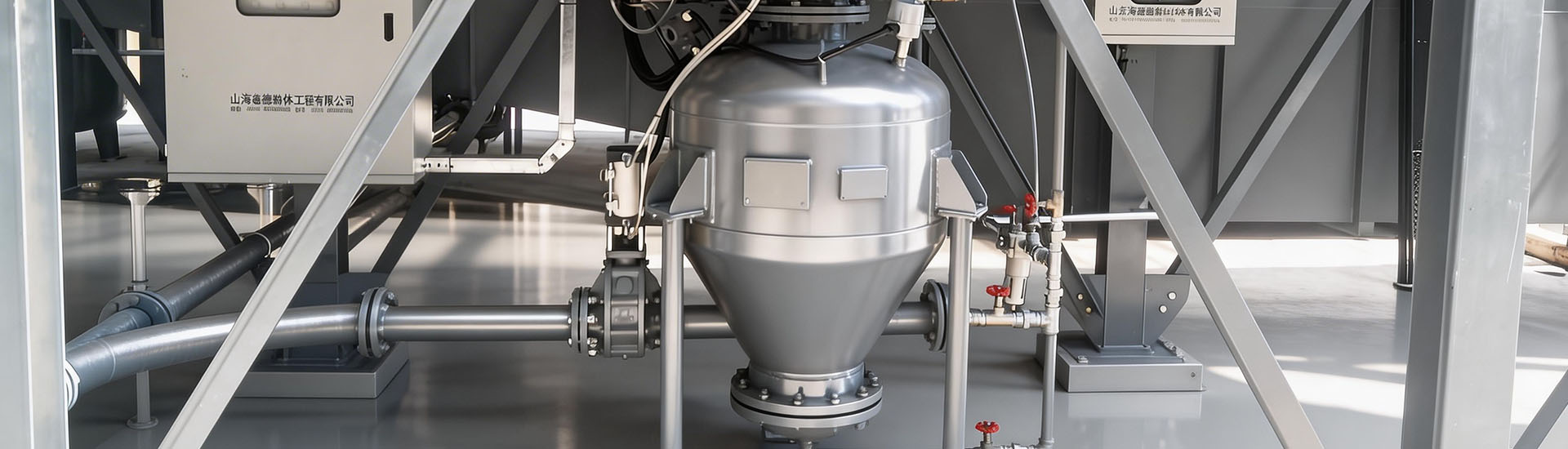
At its essence, dry powder conveying utilizes pneumatic or mechanical systems to move dry powders through a pipeline. Unlike traditional methods that rely on gravity or manual handling, this technology employs air pressure or vacuum to create a flow, ensuring materials are transported without degradation. The process typically involves a hopper, a conveyor line, and a receiver, with the dry powder being drawn or pushed through the system. This approach minimizes product contamination and damage, making it ideal for sensitive materials.

Two primary technologies dominate the field: pressure conveying and vacuum conveying. Pressure conveying uses compressed air to push the powder through the pipeline, suitable for long distances and high volumes. Vacuum conveying, on the other hand, uses a vacuum to pull the powder, ideal for short distances and handling fine powders. Head powder’s advanced systems integrate both technologies, allowing for flexible and efficient operation across diverse industrial needs. These technologies ensure consistent flow rates and minimal material loss, enhancing overall process efficiency.
Dry powder conveying is widely used in sectors such as chemical manufacturing, food processing, pharmaceuticals, and mining. In chemical plants, it facilitates the transfer of raw materials and finished products, while in food processing, it ensures hygienic handling of powders like flour and sugar. The pharmaceutical industry relies on dry powder conveying for sterile and contamination-free transport of active ingredients. Head powder’s solutions are tailored to meet the stringent requirements of these industries, offering customized systems that adhere to regulatory standards.
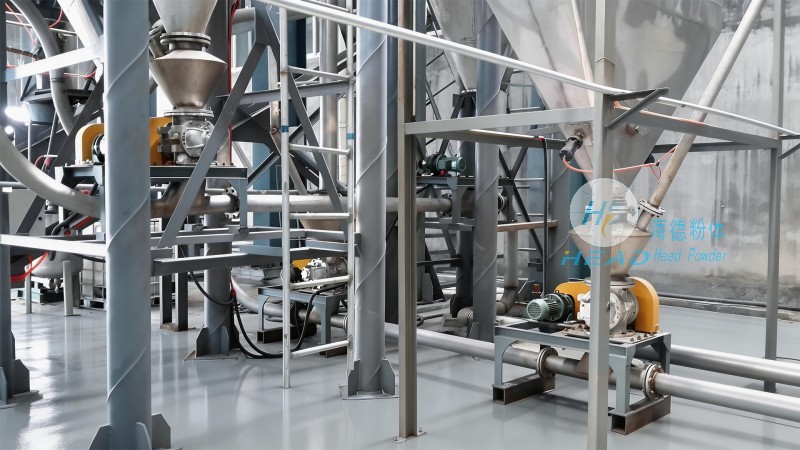
Compared to traditional methods like bucket elevators or belt conveyors, dry powder conveying offers several advantages. It reduces labor costs, minimizes material degradation, and improves safety by eliminating manual handling. Additionally, it is more energy-efficient and environmentally friendly, as it uses less water and reduces dust emissions. For industries focused on sustainability and productivity, dry powder conveying is a superior choice.
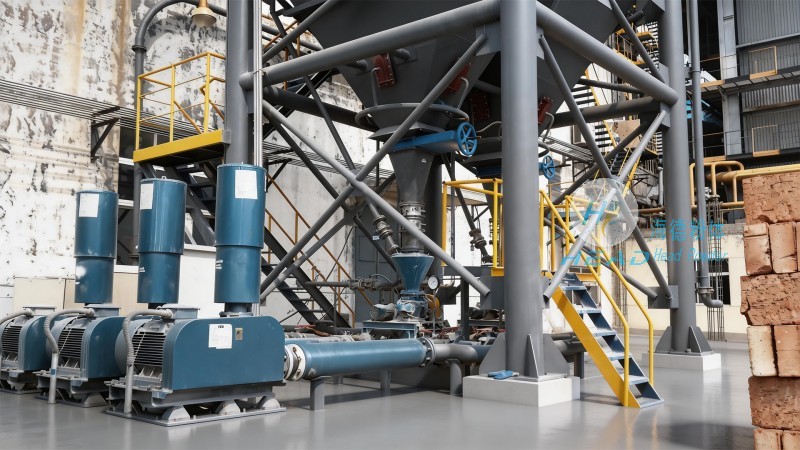
For businesses seeking to optimize their dry powder handling processes, Head powder offers cutting-edge solutions. Our team of experts can design and implement customized dry powder conveying systems tailored to your specific needs. Whether you need to transport bulk materials efficiently or enhance safety in your operations, contact us today to learn how our advanced technology can transform your industrial processes. Explore our range of dry powder conveying systems and discover how Head powder can help you achieve higher efficiency and reliability.

 Shandong Haide Powder Engineering Co., Ltd
 156-6277-7102(Manager Zhang)
  0531-83386006
  No. 1 Shanggao Industrial Park, Zhangqiu District, Jinan City, Shandong Province
 telephone
top