News
聚焦海德风采动态,分享行业技术资讯In industrial operations, the dry slag conveying system equipment plays a pivotal role in material handling, especially in sectors like power generation, steelmaking, and cement production. Choosing the right equipment is crucial as it directly impacts operational efficiency, safety, and cost-effectiveness. With various options available, understanding the key considerations and technical aspects is essential for making an informed decision that aligns with specific production needs.
When evaluating dry slag conveying systems, several critical factors must be considered. First, the material characteristics of the slag, such as particle size, moisture content, and abrasiveness, dictate the system's design. For instance, high-abrasive materials may require specialized components like wear-resistant liners and robust drive mechanisms. Second, the system's capacity and throughput requirements are vital. The equipment must handle the expected volume of slag without bottlenecks, ensuring smooth production flow. Third, environmental regulations and safety standards are non-negotiable. Compliance with local emissions and noise regulations, along with safety features like enclosed systems and emergency shutdowns, is essential to avoid operational disruptions and legal issues.

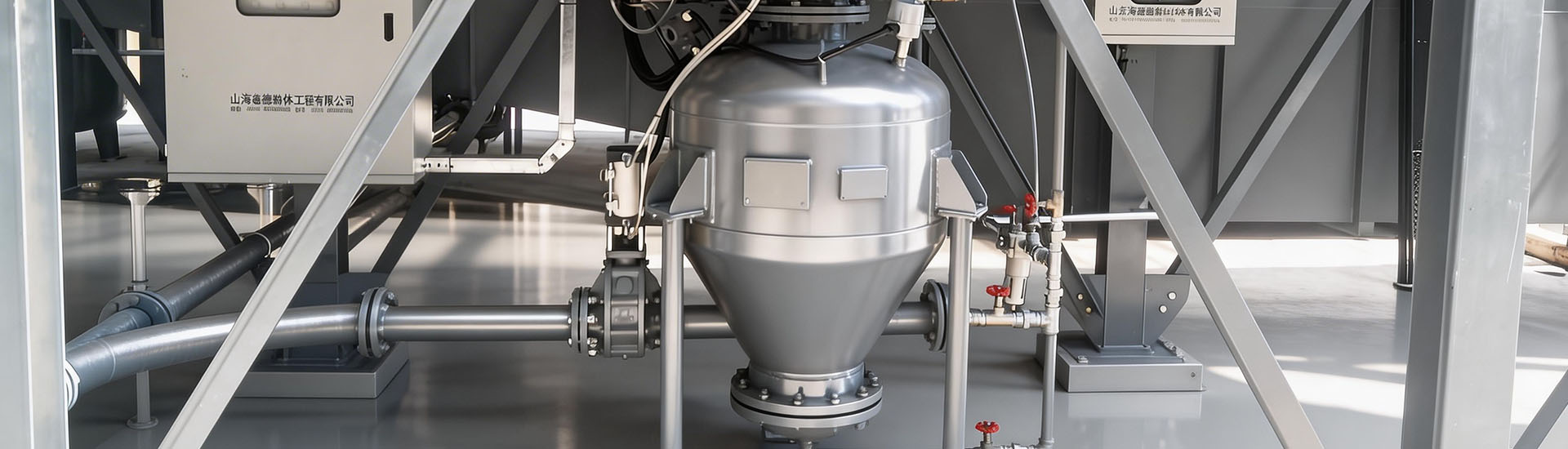
Dry slag conveying systems come in various types, each suited to different industrial applications. The most common types include pneumatic conveying systems, screw conveyors, and belt conveyors. Pneumatic systems use air pressure to transport dry materials, making them ideal for dusty or fine particles. Screw conveyors, on the other hand, are suitable for bulk materials with moderate moisture content, offering high capacity and reliability. Belt conveyors are versatile and can handle a wide range of materials, including heavy and abrasive slag. Understanding the pros and cons of each type helps in selecting the most appropriate solution for specific operational demands. For example, in power plants, pneumatic systems are often preferred for transporting fly ash due to their ability to handle fine particles efficiently.

The choice of manufacturer is as important as the system type itself. Leading manufacturers like Head powder specialize in designing and manufacturing high-quality dry slag conveying equipment tailored to client needs. They offer customized solutions that integrate advanced technologies, such as variable speed drives and intelligent control systems, to optimize performance. Additionally, reputable manufacturers provide comprehensive after-sales support, including maintenance services, spare parts availability, and technical assistance. This ensures that the system operates at peak efficiency and longevity, reducing downtime and maintenance costs. When selecting a manufacturer, it's crucial to assess their experience, technical expertise, and customer reviews to ensure reliability and quality.

At Head powder, we understand the critical role of dry slag conveying system equipment in industrial operations. Our team of experts is ready to assist you in selecting the right equipment that meets your specific requirements. Whether you need a custom-designed system or a standard solution, we provide tailored solutions backed by years of experience and technical innovation. Contact us today to learn more about our products and services, and let us help you enhance your operational efficiency and reliability.

 Shandong Haide Powder Engineering Co., Ltd
 156-6277-7102(Manager Zhang)
  0531-83386006
  No. 1 Shanggao Industrial Park, Zhangqiu District, Jinan City, Shandong Province
 telephone
top