News
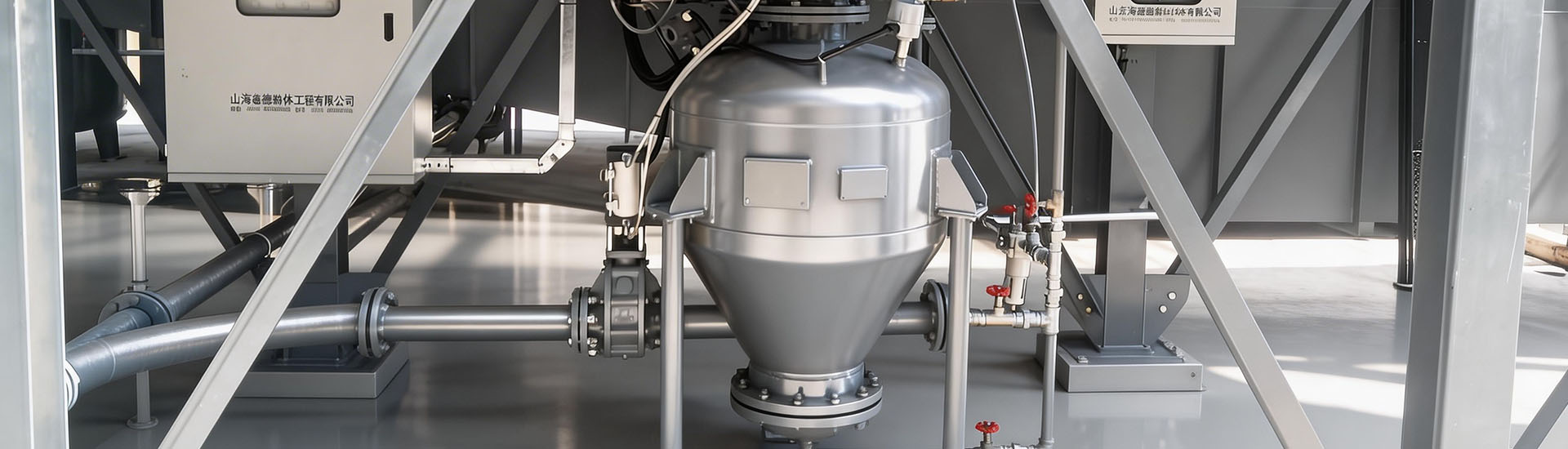
聚焦海德风采动态,分享行业技术资讯In industrial material handling, the efficiency of pneumatic transfer pumps is pivotal to overall production flow. Among various types, the large capacity chamber pneumatic transfer pump stands out as a robust solution for moving bulk materials with precision and reliability. However, selecting the right model requires a thorough understanding of key factors, from technical specifications to operational needs. This guide aims to demystify the selection process, helping professionals make informed decisions that align with their specific requirements.
When evaluating large capacity chamber pneumatic transfer pumps, the first step is to assess critical technical parameters. The most crucial is the flow rate, which determines how much material can be transferred per unit time. Typically measured in cubic meters per hour (m³/h) or gallons per minute (GPM), this parameter must match the production capacity of your facility. Additionally, the operating pressure range is vital—pumps are designed to handle specific pressure levels, and mismatching can lead to inefficiency or equipment damage. For instance, a pump rated for 0.5-1 MPa is suitable for low-pressure applications like food processing, while high-pressure models (up to 2 MPa) are ideal for abrasive materials in mining or construction. The chamber size also plays a role; larger chambers accommodate more material per cycle, reducing the number of cycles needed and increasing throughput. It's essential to cross-reference these parameters with your system's design specifications to ensure compatibility.

The material of construction directly impacts the pump's suitability for different applications. For non-corrosive materials like plastic pellets or dry powders, stainless steel (SS 304 or 316) is a common choice due to its durability and resistance to wear. However, for corrosive substances such as chemicals or acids, specialized materials like Hastelloy or PTFE-coated components are necessary to prevent degradation. Sealing is equally important; the type of seal (e.g., mechanical, dynamic) affects the pump's ability to handle dust, moisture, or volatile compounds. In food and pharmaceutical industries, sanitary seals are mandatory to maintain hygiene standards. For example, a pump with a double mechanical seal is preferable for handling powders that may contain moisture, as it prevents contamination and ensures product purity. Understanding the chemical compatibility of both the pump body and seals is a non-negotiable step in the selection process.
The right large capacity chamber pneumatic transfer pump is often determined by the industry and specific use case. In the chemical industry, pumps may need to handle abrasive slurries or high-temperature materials, requiring robust construction and temperature-resistant seals. In contrast, the food and beverage sector demands pumps that are easy to clean and maintain, with smooth surfaces and no dead zones where residue can accumulate. The pump's design may also vary based on the material's flow characteristics—some pumps are better suited for free-flowing powders, while others excel at handling cohesive or sticky materials. For instance, a pump with a variable speed control allows for adjustment of flow rate, making it versatile for applications where material consistency changes. Additionally, the pump's integration with existing systems, such as silos or hoppers, is a practical consideration. A pump with a modular design can be easily adapted to different setups, reducing installation time and costs. By aligning the pump's features with the specific demands of your industry, you can maximize performance and minimize downtime.

While initial purchase cost is a factor, the long-term operational costs of a large capacity chamber pneumatic transfer pump should not be overlooked. Energy efficiency is a key consideration, as pumps with higher efficiency consume less compressed air, reducing energy bills over time. Look for models with optimized valve designs and reduced air leakage, as these contribute to lower energy consumption. Additionally, the maintenance requirements and associated costs play a significant role. Pumps with easy-to-access components and standardized parts are more cost-effective to maintain. For example, a pump with a replaceable wear plate can be serviced quickly without replacing the entire unit, saving both time and money. Some manufacturers offer extended warranties or service contracts, which can further reduce long-term costs. By evaluating the total cost of ownership (TCO), including energy use and maintenance, you can make a more sustainable and economical choice.
The reputation of the manufacturer is a critical factor in selecting a large capacity chamber pneumatic transfer pump. Established brands like Head powder have a proven track record of producing high-quality, reliable equipment. Their expertise in pneumatic technology and commitment to quality control ensure that the pump meets industry standards and performs consistently over time. After-sales support is equally important; a reliable manufacturer provides technical assistance, spare parts, and troubleshooting guidance. For instance, Head powder offers a dedicated customer support team and a wide range of spare parts, ensuring that any issues are addressed promptly. Additionally, certifications such as CE, ISO, or FDA compliance (for food applications) indicate that the pump adheres to safety and regulatory requirements. When choosing a manufacturer, consider their experience, customer reviews, and the availability of technical documentation. A reputable brand not only delivers a high-performance pump but also provides peace of mind through reliable support and service.

Choosing the right large capacity chamber pneumatic transfer pump is a decision that impacts operational efficiency, cost, and product quality. By considering technical parameters, material compatibility, application needs, energy efficiency, and brand reliability, you can select a pump that meets your current and future requirements. At Head powder, we specialize in manufacturing high-quality large capacity chamber pneumatic transfer pumps tailored to diverse industrial needs. Our team of experts is ready to assist you in evaluating your specific requirements and providing customized solutions. Contact us today to learn more about our range of products and how we can enhance your material handling processes.

 Shandong Haide Powder Engineering Co., Ltd
 156-6277-7102(Manager Zhang)
  0531-83386006
  No. 1 Shanggao Industrial Park, Zhangqiu District, Jinan City, Shandong Province
 telephone
top