News
聚焦海德风采动态,分享行业技术资讯When selecting Sodium hydroxide conveying system equipment, a systematic approach is crucial to ensure efficiency, safety, and long-term performance. The process involves a series of steps that align with operational needs, material characteristics, and industry standards, ultimately leading to a tailored solution that meets specific production requirements.
Before any equipment selection, a thorough assessment of operational needs is essential. This includes evaluating the volume of Sodium hydroxide to be handled, the desired conveying speed, and the distance over which it needs to be transported. Additionally, considering the environment—such as temperature, humidity, and potential exposure to corrosive substances—helps in determining the appropriate materials and components for the system.
At this stage, it's also vital to review existing infrastructure and compatibility with current processes. By gathering these details, stakeholders can define clear objectives and set realistic expectations for the conveying system's performance.

The properties of Sodium hydroxide itself play a critical role in equipment choice. As a highly caustic substance, it requires equipment made from corrosion-resistant materials like stainless steel or specialized alloys. The conveying system must be designed to handle the chemical's viscosity and potential slurry formation, ensuring smooth and uninterrupted flow.
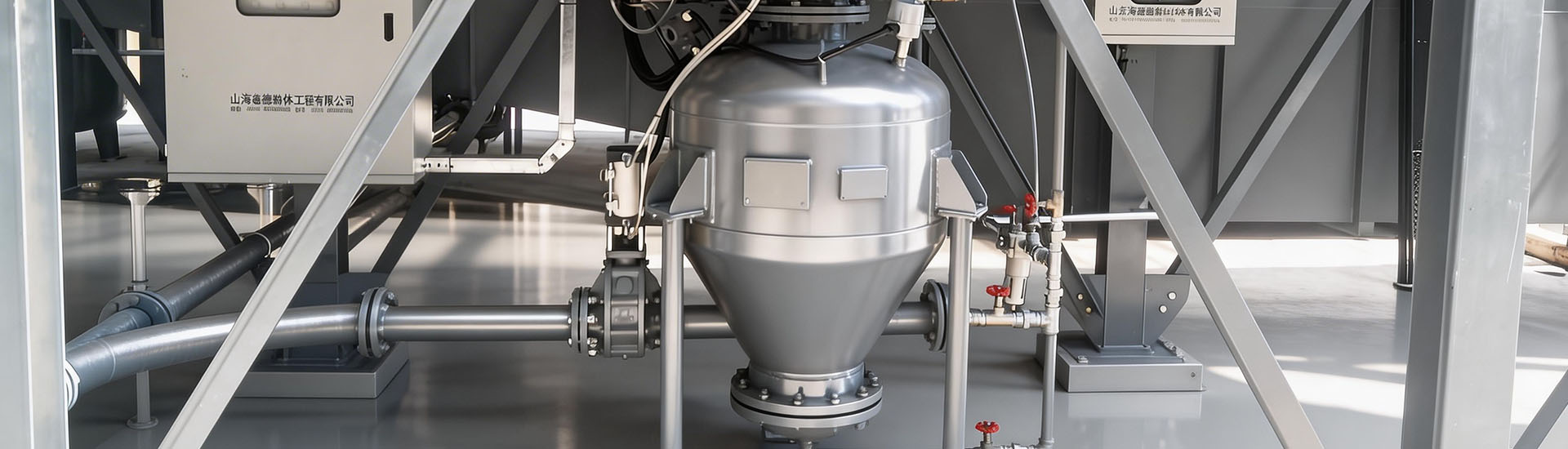
For instance, when dealing with solid or semi-solid Sodium hydroxide, bulk material handling equipment such as screw conveyors or pneumatic systems may be more suitable. Conversely, liquid Sodium hydroxide might benefit from pumps or hose systems, depending on the application. Understanding these material characteristics is key to avoiding equipment failure and ensuring durability.
Once individual components are selected, the next step is to configure the overall system. This involves integrating the conveying equipment with other processes, such as storage tanks, mixing units, or processing lines. Proper integration ensures seamless operation and minimizes downtime.

Considerations like control systems, safety features, and maintenance accessibility are also critical. A well-designed system should include automated controls for monitoring flow rates, pressure, and temperature, along with emergency shut-off mechanisms to prevent accidents. Additionally, easy access for maintenance and repairs is essential for long-term reliability.
After system configuration, the installation phase begins. This involves proper placement of equipment, ensuring alignment and secure mounting. Professional installation is crucial to avoid operational issues later on.

Commissioning follows, where the system is tested under controlled conditions to verify performance. This includes checking for leaks, verifying flow rates, and ensuring all safety features are functioning correctly. A thorough commissioning process ensures that the Sodium hydroxide conveying system operates as intended, meeting all safety and efficiency standards.
For businesses seeking reliable Sodium hydroxide conveying system equipment, partnering with experienced manufacturers like Head powder can streamline this process. Our team of experts provides tailored solutions, from initial assessment to installation and ongoing support. Contact us today to learn more about how our equipment can enhance your production efficiency and safety.

 Shandong Haide Powder Engineering Co., Ltd
 156-6277-7102(Manager Zhang)
  0531-83386006
  No. 1 Shanggao Industrial Park, Zhangqiu District, Jinan City, Shandong Province
 telephone
top