News
聚焦海德风采动态,分享行业技术资讯For manufacturers specializing in putty powder material conveying, the success of their operations hinges on a comprehensive understanding of key factors that influence system performance, efficiency, and longevity. The intricate nature of handling putty powder—its fine particles, potential for caking, and varying flow characteristics—requires careful consideration of multiple variables to ensure optimal material handling and process reliability.
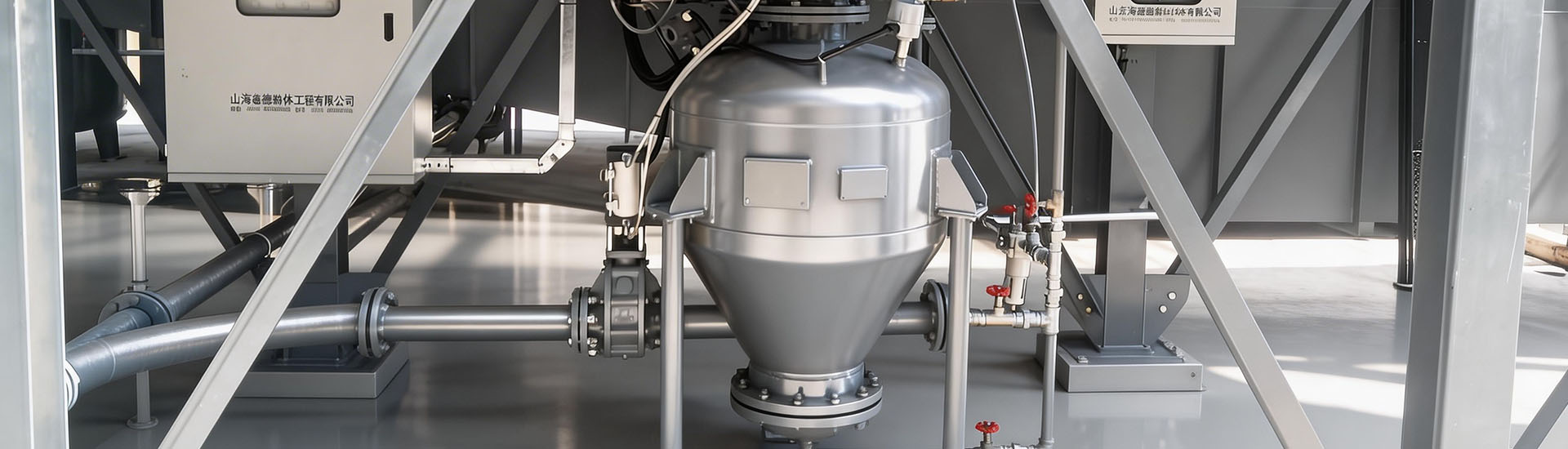
Choosing the right putty powder material conveying equipment is paramount. Manufacturers must evaluate factors such as the material's particle size, moisture content, and cohesive properties to select appropriate conveying methods like pneumatic or mechanical systems. System design should also account for the need to prevent material buildup, ensure consistent flow, and minimize energy consumption. For instance, a manufacturer handling high-volume putty powder might opt for a positive displacement blower system to maintain steady pressure and avoid clogging, while a smaller operation might benefit from a screw conveyor for its simplicity and low maintenance.

Regular maintenance is critical to the longevity of putty powder material conveying systems. Manufacturers need to establish a proactive maintenance schedule that includes cleaning of ducts, filters, and valves to prevent material accumulation and blockages. Additionally, monitoring equipment performance through sensors and alarms can help detect issues early, such as pressure drops or temperature spikes, which may indicate wear or clogging. A well-maintained system not only reduces downtime but also extends the lifespan of the putty powder material conveying equipment, ensuring consistent production output.
Cost management is a key consideration for manufacturers operating putty powder material conveying systems. Energy consumption, material waste, and maintenance costs all contribute to the overall operational expenses. By optimizing system design—such as using variable speed drives to adjust airflow based on demand—manufacturers can reduce energy use. Additionally, selecting durable materials for components (e.g., stainless steel for wet or corrosive putty powder) can lower replacement costs over time. Efficiency optimization also involves streamlining the conveying process to minimize bottlenecks, ensuring that putty powder moves smoothly from source to destination without unnecessary delays.

In an evolving industrial landscape, manufacturers must stay abreast of technological advancements in putty powder material conveying. This includes adopting automation and control systems that enhance precision and reduce human error. For example, integrating sensors that measure particle flow and density can help maintain consistent material delivery, which is crucial for downstream processes like mixing or packaging. Furthermore, compliance with environmental regulations and safety standards is essential. Manufacturers need to ensure that their putty powder material conveying systems meet local and international guidelines for dust control, noise reduction, and worker safety. Investing in modern, compliant technology not only enhances operational safety but also improves the company's reputation and market competitiveness.

Understanding these factors is essential for manufacturers to build reliable, efficient putty powder material conveying systems. At Head Powder, we specialize in providing tailored solutions that address the unique challenges of putty powder handling. Our team of experts can help you assess your needs, select the right equipment, and implement best practices for long-term success. Contact us today to learn more about how our putty powder material conveying solutions can enhance your production processes.

 Shandong Haide Powder Engineering Co., Ltd
 156-6277-7102(Manager Zhang)
  0531-83386006
  No. 1 Shanggao Industrial Park, Zhangqiu District, Jinan City, Shandong Province
 telephone
top