News
聚焦海德风采动态,分享行业技术资讯Pneumatic conveying of polyacrylamide powder is a critical process in various industrial applications, particularly in water treatment and mining sectors. The conventional process involves a series of systematic steps that ensure efficient and safe transportation of the powder. This article provides a detailed breakdown of these steps, highlighting the key components and operational principles that drive the efficiency of polyacrylamide powder pneumatic conveying systems.
The first step in the conventional pneumatic conveying process for polyacrylamide powder involves thorough preparation of the raw material. Head powder, as a leading manufacturer, emphasizes the importance of ensuring the polyacrylamide powder is free from moisture and impurities. This is typically achieved through drying processes, such as vacuum drying or hot air drying, to maintain the powder's quality and prevent caking. Sifting or screening is then performed to remove any oversized particles or foreign materials, ensuring a consistent particle size distribution that is crucial for optimal conveying performance.

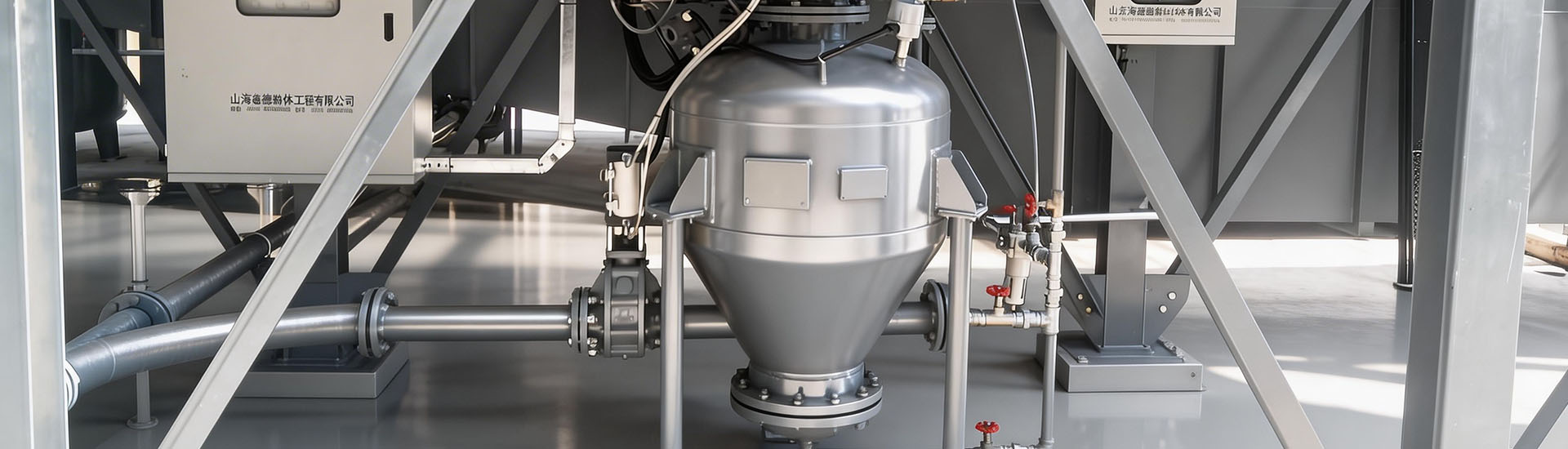
The conventional pneumatic conveying system for polyacrylamide powder consists of several key components that work in tandem. The process begins with a feed hopper or screw feeder that meters the polyacrylamide powder into the system. This is followed by a rotary valve or star feeder, which controls the flow rate and prevents backflow. The heart of the system is the positive displacement blower or centrifugal fan, which generates the necessary air pressure to move the powder through the pipeline. The conveying line, usually made of stainless steel or plastic, is designed to handle the abrasive nature of the polyacrylamide powder. At the receiving end, a cyclone separator or bag filter is used to separate the powder from the air stream, ensuring the powder is deposited in the target container without loss.
Effective polyacrylamide powder pneumatic conveying relies on precise control of several parameters. The air pressure, typically ranging from 0.5 to 1.5 bar, is a critical factor that determines the conveying velocity and distance. The flow rate of the powder is adjusted using the feed hopper and rotary valve, ensuring a consistent and stable flow. Temperature control is also important, as high temperatures can degrade the polyacrylamide's properties. Monitoring systems are often integrated to track pressure, flow, and temperature in real-time, allowing for immediate adjustments to maintain optimal performance. Head powder's expertise in system design ensures these parameters are optimized for each specific application.

Regular maintenance is essential to ensure the long-term efficiency and reliability of polyacrylamide powder pneumatic conveying systems. Head powder recommends routine inspections of the blower, feeders, and separators to check for wear and tear. Cleaning the conveying lines and filters regularly prevents blockages and reduces pressure drop. Additionally, using high-quality polyacrylamide powder, such as their own products, minimizes the risk of clogging and extends the system's lifespan. By implementing these maintenance practices, users can achieve higher throughput and lower operational costs.
Pneumatic conveying of polyacrylamide powder is widely used in industries such as water treatment, mining, and paper manufacturing. In water treatment, it helps in the efficient dosing of polyacrylamide for sludge dewatering. In mining, it facilitates the transport of polyacrylamide for ore processing. The advantages of this method include reduced labor costs, minimal environmental impact, and the ability to transport the powder over long distances without the need for additional equipment. Head powder's advanced pneumatic conveying solutions offer customized designs tailored to meet the specific needs of these industries, ensuring maximum efficiency and reliability.

At Head powder, we specialize in providing high-quality polyacrylamide powder and advanced pneumatic conveying systems. If you are looking to optimize your polyacrylamide powder handling process, our team of experts can help you design a customized solution. Contact us today to learn more about our products and services, and discover how our conventional pneumatic conveying process can enhance your operational efficiency.

 Shandong Haide Powder Engineering Co., Ltd
 156-6277-7102(Manager Zhang)
  0531-83386006
  No. 1 Shanggao Industrial Park, Zhangqiu District, Jinan City, Shandong Province
 telephone
top