News
聚焦海德风采动态,分享行业技术资讯When it comes to graphite powder pneumatic conveying, manufacturers face a series of critical considerations to ensure efficient, reliable, and cost-effective operations. The performance of graphite powder pneumatic conveying systems is heavily influenced by factors ranging from material characteristics to system design, making it essential for manufacturers to address these elements systematically. Understanding and optimizing these factors not only enhances the overall efficiency of the process but also minimizes operational risks and maintenance costs.
Graphite powder's unique physical properties, such as its density, moisture content, and particle size distribution, play a pivotal role in pneumatic conveying. Larger particle sizes or high moisture content can lead to blockages and reduced conveying efficiency. Manufacturers must conduct thorough material analysis to determine the optimal air velocity and pressure required for smooth transport. For instance, fine graphite powders often require higher air velocities to prevent settling, while coarser particles may need adjustments to the duct diameter and pressure settings. This analysis ensures that the system is tailored to the specific characteristics of the graphite powder, maximizing throughput and minimizing energy consumption.

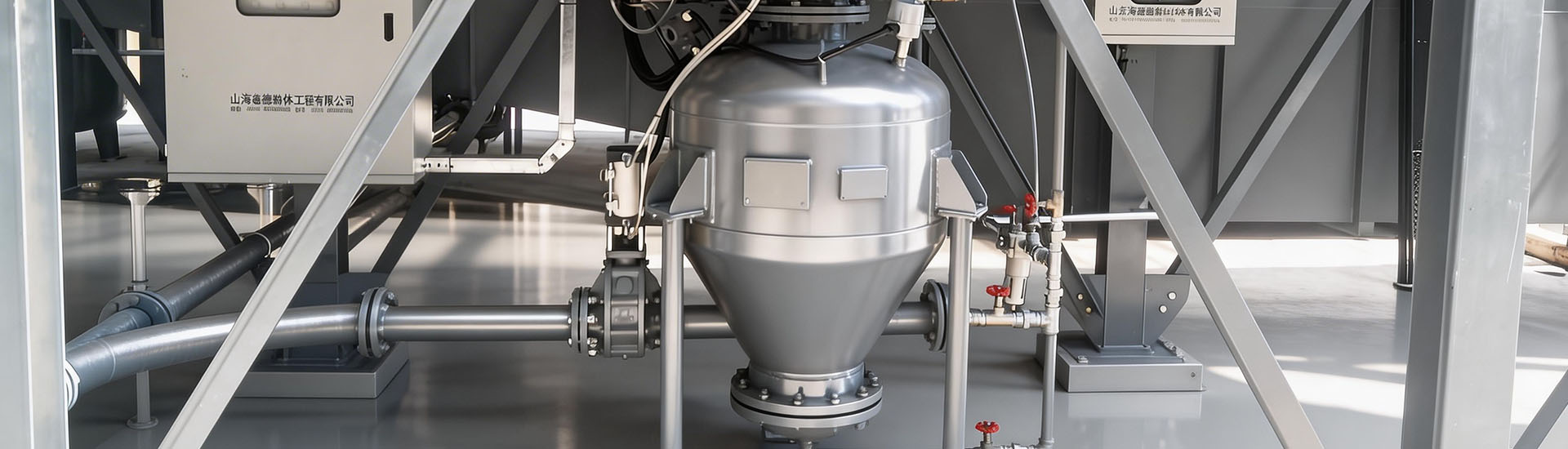
The design of the pneumatic conveying system, including the type of ductwork (e.g., positive or negative pressure systems), is a key factor. Positive pressure systems, where air is forced through the system, are commonly used for graphite powder due to their ability to handle abrasive materials and prevent dust leakage. The pressure control system, which regulates air flow and pressure, must be precise to maintain consistent conveying rates. Manufacturers often employ advanced control technologies, such as variable frequency drives (VFDs), to adjust air volume dynamically based on demand. This adaptability ensures that the system operates efficiently under varying production conditions, reducing energy waste and extending equipment lifespan.
Choosing the right equipment, including pumps, filters, and separation devices, is crucial for reliable graphite powder pneumatic conveying. High-quality pumps, such as rotary lobe or centrifugal pumps, are designed to handle abrasive materials without premature wear. Filters and cyclones are essential for preventing dust accumulation and maintaining air quality. Regular maintenance, including cleaning and replacing worn parts, is vital to prevent system downtime. Manufacturers should prioritize equipment with durable materials and easy-to-service components to minimize maintenance costs and ensure continuous operation. For example, using stainless steel components can enhance resistance to corrosion from graphite dust, extending the system's operational life.

Graphite powder is a fine particulate that can pose environmental and health risks if not managed properly. Manufacturers must implement effective dust control measures, such as sealed systems and exhaust filtration, to comply with environmental regulations and protect worker health. Safety protocols, including proper ventilation and personal protective equipment (PPE), are also essential. Additionally, the system design should incorporate features like emergency shut-off valves to prevent accidental releases. By addressing these environmental and safety aspects, manufacturers not only meet regulatory requirements but also enhance the overall safety of their operations, reducing liability risks.
Optimizing the cost and efficiency of graphite powder pneumatic conveying systems is a continuous process. Manufacturers should consider factors like energy consumption, equipment lifespan, and operational downtime when evaluating system performance. Investing in energy-efficient components, such as high-efficiency motors and optimized duct designs, can reduce long-term operational costs. Regular performance monitoring and data analysis help identify areas for improvement, such as adjusting air pressure or particle size to achieve better efficiency. By focusing on cost optimization, manufacturers can enhance their competitiveness while maintaining high standards of performance and reliability.

For manufacturers seeking to enhance their graphite powder pneumatic conveying systems, understanding these critical factors is the first step toward achieving optimal performance. At Head powder, we specialize in providing tailored solutions that address these considerations, ensuring efficient and reliable operations. Contact us today to learn more about how our expertise can help you optimize your graphite powder pneumatic conveying processes and improve overall productivity.

 Shandong Haide Powder Engineering Co., Ltd
 156-6277-7102(Manager Zhang)
  0531-83386006
  No. 1 Shanggao Industrial Park, Zhangqiu District, Jinan City, Shandong Province
 telephone
top