News
聚焦海德风采动态,分享行业技术资讯Polyvinyl butyral (PVB) is a critical component in various industrial applications, from glass manufacturing and automotive coatings to pharmaceuticals and adhesives. The efficient and reliable transport of PVB through pneumatic conveying systems is essential for maintaining production efficiency, minimizing material loss, and ensuring product quality. However, selecting the right pneumatic conveying system for PVB can be complex due to its unique physical and chemical properties. This article explores key factors to consider when choosing a PVB pneumatic conveying system, helping professionals make informed decisions for their operations.
Before selecting a pneumatic conveying system, it's crucial to understand PVB's properties. PVB is a water-soluble polymer with moderate viscosity and can be sensitive to moisture and temperature. Its particle size and density also vary depending on the production process. For example, in glass manufacturing, PVB is often used as a bonding agent, requiring fine particles for uniform distribution. The material's hygroscopic nature means that moisture can affect its flowability and adhesion. Therefore, the pneumatic conveying system must be designed to handle these characteristics, such as using dry air to prevent moisture absorption and ensuring proper moisture control in the system. Head powder's Pneumatic conveying of polyvinyl alcohol butyral systems are engineered to accommodate these properties, with features like moisture-resistant seals and adjustable air flow to maintain PVB quality during transport.

The pressure required for PVB pneumatic conveying depends significantly on the distance the material needs to travel. Short-distance transfers (e.g., within a plant) typically use low-pressure systems, often operating at 0.5 to 1 bar, while long-distance transfers (e.g., over 100 meters) may require higher pressures, up to 6 bar or more. The choice of pressure affects both energy consumption and system complexity. For instance, a low-pressure system uses less energy but may not be suitable for long distances, leading to reduced material velocity and potential blockages. Conversely, high-pressure systems ensure faster transport but increase energy costs and maintenance requirements. Head powder's Pneumatic conveying of polyvinyl alcohol butyral solutions offer flexible pressure configurations, allowing customers to select the optimal pressure based on their specific transport distance and energy budget. This adaptability ensures efficient and cost-effective PVB transport across various industrial settings.
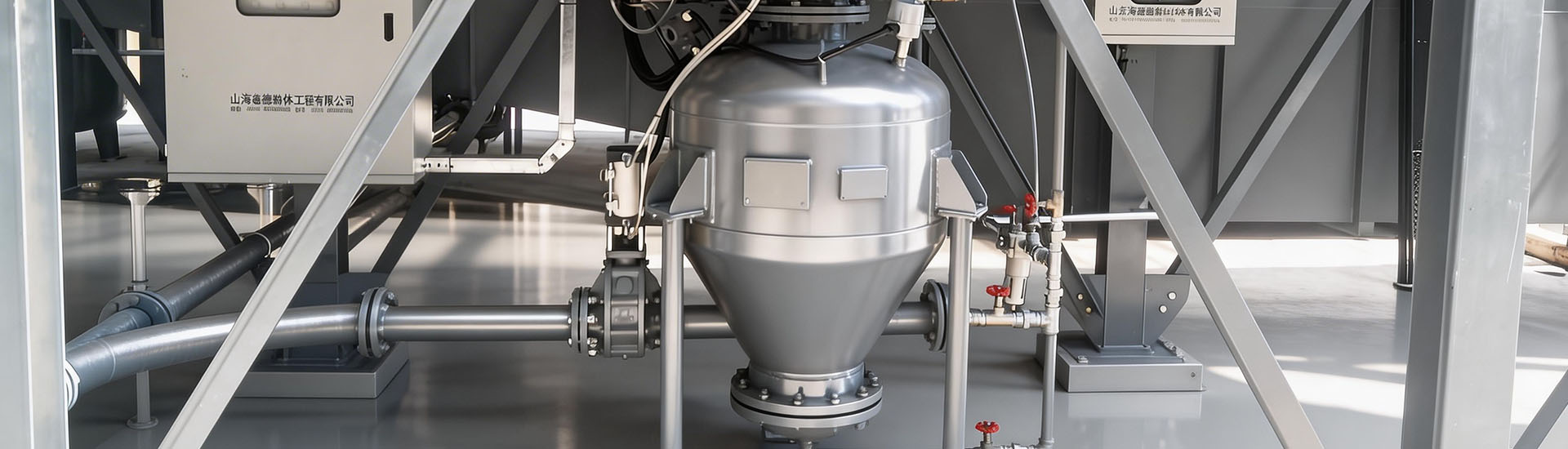
The reliability of a PVB pneumatic conveying system hinges on the quality of its components. Key equipment includes the air source (e.g., rotary screw or reciprocating air compressors), conveying pipelines (e.g., stainless steel or plastic tubes), and control valves (e.g., rotary airlock valves and butterfly valves). The choice of materials is critical: stainless steel pipelines are preferred for their corrosion resistance, especially when PVB is used in chemical processes, while plastic tubes are suitable for non-corrosive applications. Airlock valves are essential for preventing material backflow and ensuring smooth material discharge. Head powder's Pneumatic conveying of polyvinyl alcohol butyral systems utilize high-quality components, such as stainless steel 316L pipelines and advanced airlock valves, to ensure long-term reliability. These components are designed to withstand the abrasive and adhesive properties of PVB, reducing maintenance frequency and downtime. Additionally, the system includes filters and moisture separators to maintain air quality, preventing contamination that could affect PVB performance.

When choosing a PVB pneumatic conveying system, a comprehensive cost-benefit analysis is essential. The initial investment includes equipment costs, installation, and training, while operational costs involve energy consumption, maintenance, and spare parts. A well-designed system like Head powder's Pneumatic conveying of polyvinyl alcohol butyral can reduce long-term costs by minimizing material loss and downtime. For example, efficient air compression and proper pipeline design can lower energy usage by up to 30%, while high-quality components reduce maintenance costs by 20% over the system's lifespan. Moreover, the system's adaptability allows for future upgrades, such as adding additional conveying lines or integrating with automation systems, without major overhauls. This flexibility ensures that the investment in PVB pneumatic conveying remains valuable as production needs evolve. By considering both upfront and long-term costs, businesses can select a system that maximizes efficiency and profitability.

At Head powder, we understand that selecting the right PVB pneumatic conveying system requires expertise and customization. Our team of engineers works closely with clients to assess their specific PVB handling needs, from material properties to transport requirements. We offer tailored Pneumatic conveying of polyvinyl alcohol butyral solutions that address the unique challenges of PVB transport, ensuring optimal performance and reliability. Whether you need a standard system or a custom-designed solution, we provide comprehensive support, including on-site testing, maintenance services, and technical guidance. Contact us today to learn more about how our Pneumatic conveying of polyvinyl alcohol butyral systems can enhance your PVB handling operations and drive your business forward.

 Shandong Haide Powder Engineering Co., Ltd
 156-6277-7102(Manager Zhang)
  0531-83386006
  No. 1 Shanggao Industrial Park, Zhangqiu District, Jinan City, Shandong Province
 telephone
top